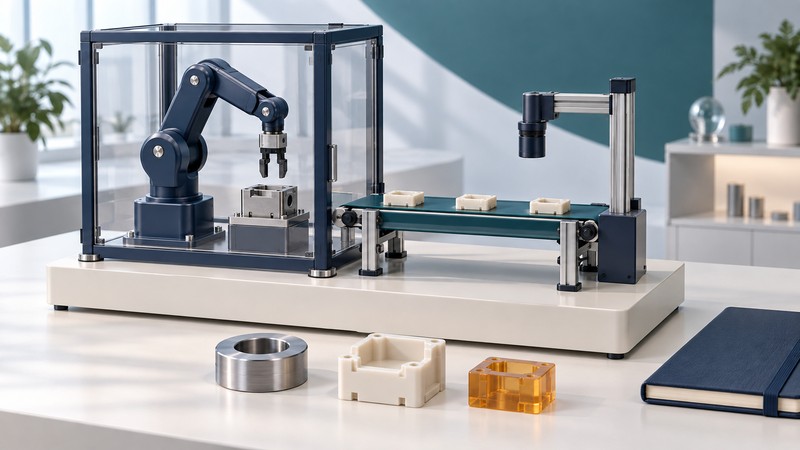
Find practical explanations for choosing equipment, improving measurements, connecting production, and working with manufacturing materials and data.
Browse 89 updated guides and technical explainers, grouped by manufacturing subject.
Machines and workshop processes

Variable Frequency Drives: Selection and Acceptance
Match motor, load, duty cycle, and commissioning evidence before selecting an industrial drive.

Industrial Dust and Fume Collection: Plan the System
Prepare a process and contaminant brief for specialist design, source capture, and acceptance testing.

Vertical Machining Centers: Evaluate Against Your Parts
Build a part-family brief and acceptance-cut plan that measures the complete production cycle.

Precision Grinding: Investigate Burn, Chatter, and Finish
Connect grinding symptoms to wheel condition, dressing, coolant, and controlled trial evidence.

High-Pressure Hydraulic Hoses
Explore hose construction, fittings, routing, monitoring, and the demands of hydraulic equipment.

Industrial Epoxy Primers: Specify Preparation and Verify the Coating
Prepare an industrial coating brief that connects substrate, exposure, surface preparation, and inspection evidence.
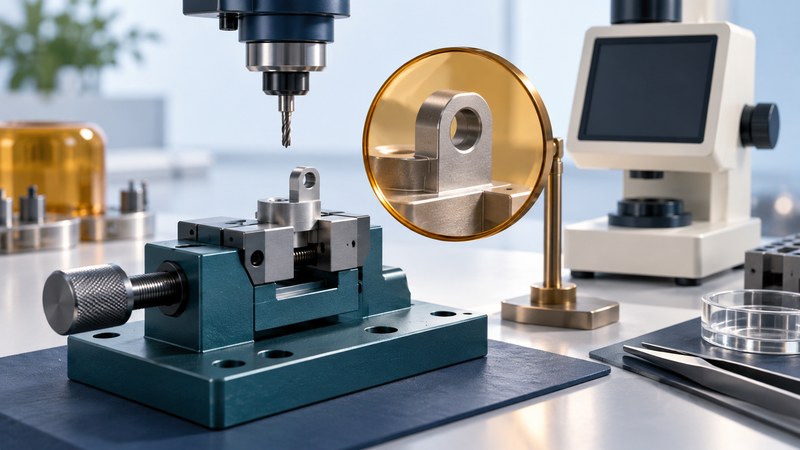
Micro Machining: Plan Small Features and Prove the Result
Prepare a micro-machining feasibility brief that connects feature geometry, process limits, and a credible inspection method.
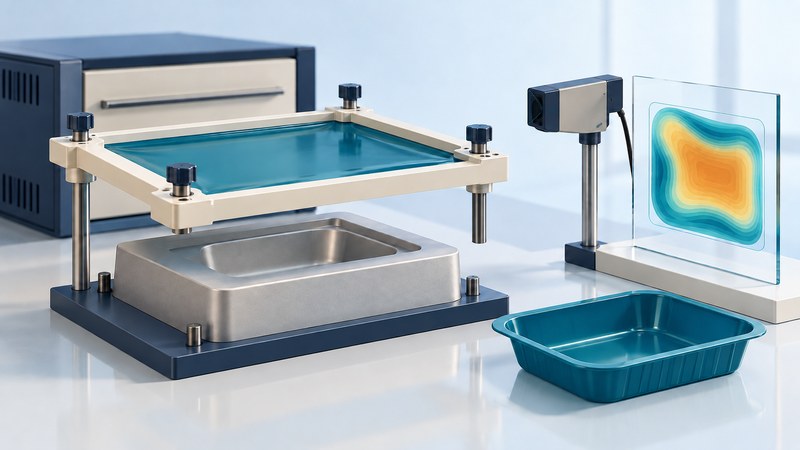
Thermoforming: Connect Sheet Temperature to Part Quality
Connect sheet-temperature maps with forming conditions and finished-part measurements through a controlled trial.
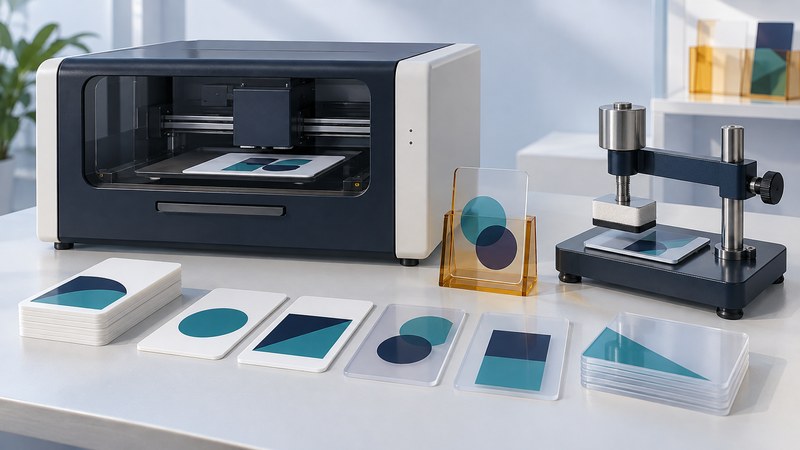
Printing on Plastic: Match Substrate, Ink, and Adhesion Tests
Connect plastic grade, surface condition, ink processing and end-use tests in a repeatable print qualification trial.
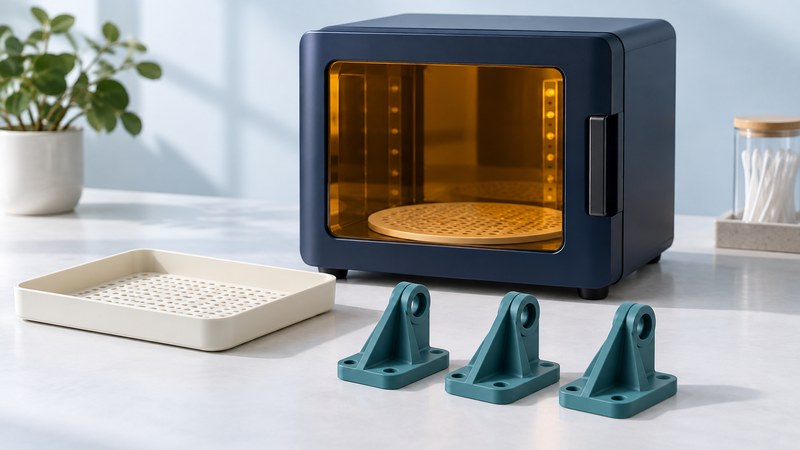
SLA Part Post-Curing: Follow the Resin Schedule and Verify the Part
Trace an SLA part through its resin-specific wash, dry and post-cure route, then verify the required final condition.

Corner-Wrap Labeling: Specify Placement and Prove the Line Trial
Plan carton presentation, label placement, code checks and recovery tests for a corner-wrap labeling station.

Polymer Spray Coatings: Choose a Process and Qualify the Finish
Compare polymer coating processes and build a substrate-specific trial that checks thickness, adhesion and service performance.

Ceramic Piston Coatings: Compare Crown Protection and Skirt Friction
Separate crown, ring-groove and skirt functions when evaluating piston coatings and the evidence for an engine application.
Measurement, inspection, and improvement

Predictive Asset Monitoring
Turn equipment measurements and operating history into investigated maintenance decisions.

Industrial Infrared Thermometers: Check the Reading
Control target size, optics, emissivity, reflections, and comparison conditions for useful temperature readings.

Vibration Data Acquisition: Make Measurements Comparable
Document sensor mounting, conditioning, sampling, units, and machine state for repeatable vibration records.

Machine Vision Systems
Plan imaging, defect definitions, and measured decision errors for industrial inspection.

Continuous Surface Inspection: Validate Defects and Coverage
Connect defect definitions, line-scan geometry, error rates, and material location to inspection acceptance.

Six Sigma Training: Choose a Course and Apply DMAIC
Compare training support and build a first improvement project around trustworthy measurements and evidence.
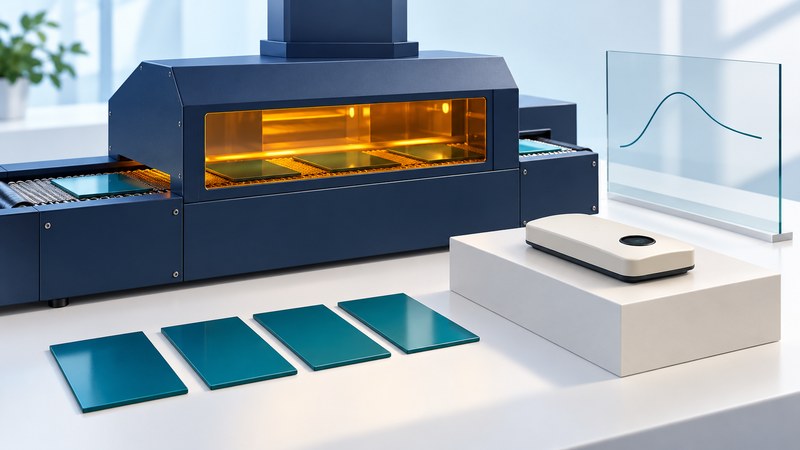
UV Curing Measurements: Compare Irradiance, Dose, and Process Results
Make UV curing measurements comparable by recording spectral response, exposure profile, geometry, and product-test results.
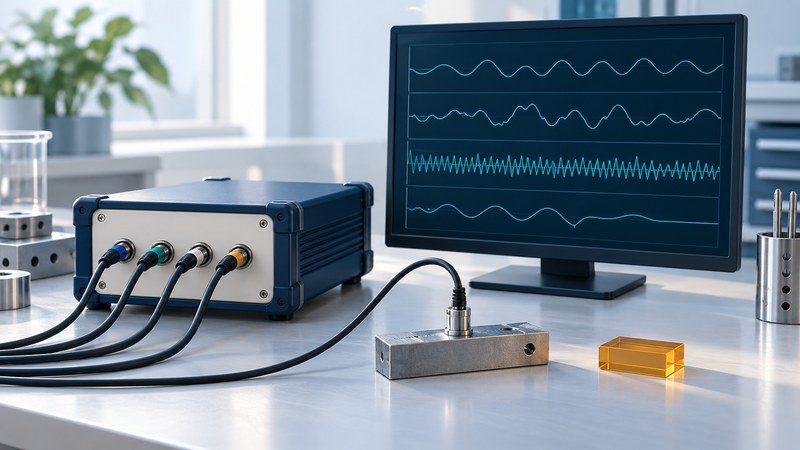
Measurement Logging Software: Build a Trustworthy Test Record
Build a measurement log that preserves channel meaning, acquisition timing, raw data, and evidence of missing samples.
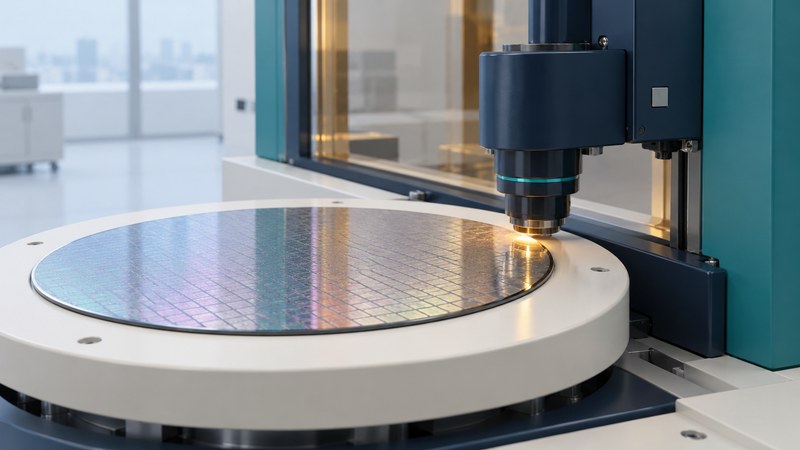
Wafer Identification: Validate Reads and Traceability
Validate wafer identity across process stages, separate wrong reads from no-reads, and test the host response.
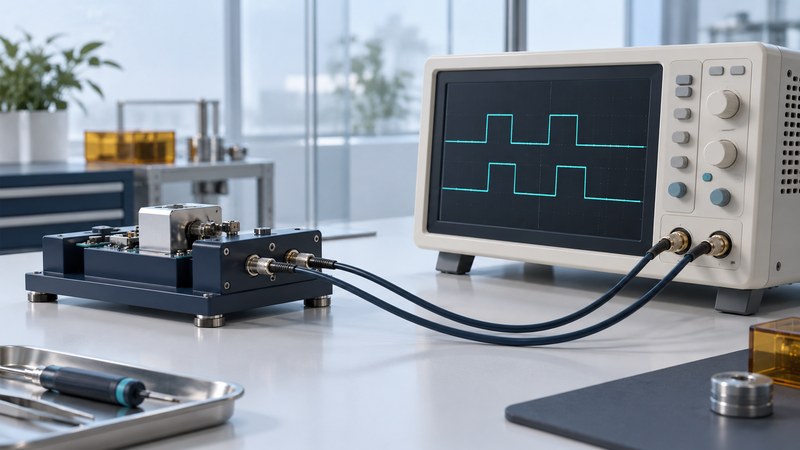
Time-Interval and Jitter Measurements: Make Timing Results Comparable
Specify timing events, jitter metrics, references and acquisition conditions so electrical timing results can be compared.
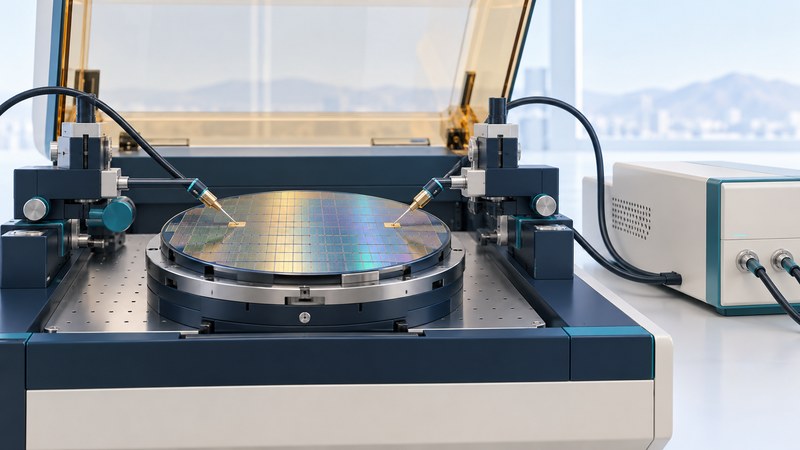
Semiconductor Parametric Testing: Build a Trustworthy Measurement Plan
Build a wafer-level electrical test plan with explicit bias, compliance, settling, calibration and result interpretation.

Semiconductor Defect Review: From Inspection Map to Root-Cause Evidence
Connect semiconductor inspection maps, review samples and defect classification to a supported root-cause investigation.
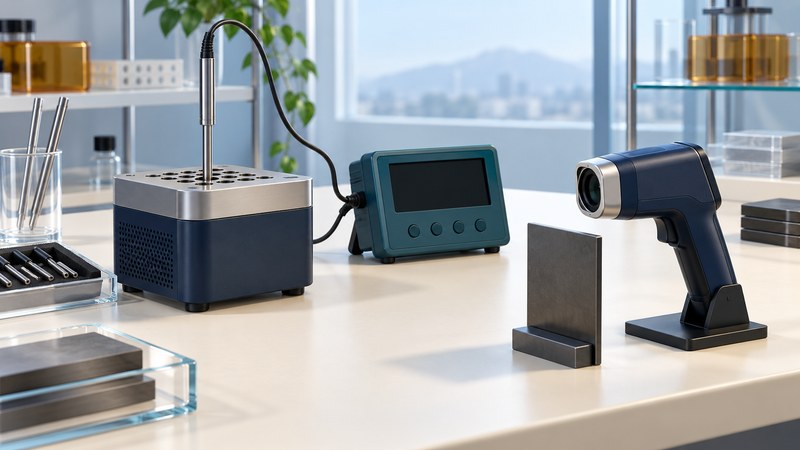
Temperature Sensing Instruments: Choose and Verify the Measurement
Choose a temperature measurement method and verify the sensor, installation and readout against the process decision.
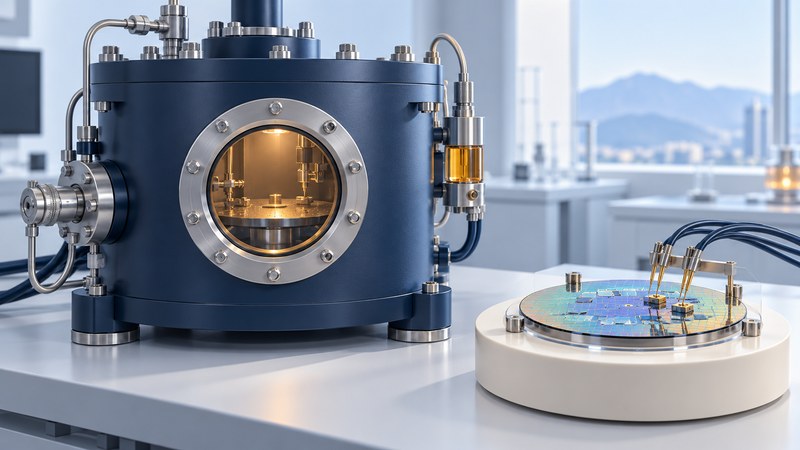
Pressure-Chamber Probing: Plan Wafer-Level Sensor Characterization
Define pressure reference, temperature, electrical conditions and result calculations for wafer-level pressure-sensor tests.

MEMS Laser Scanning: Connect Mirror Motion to Barcode Reads
Understand MEMS beam steering and compare barcode scanners using target conditions, read outcomes and host integration.
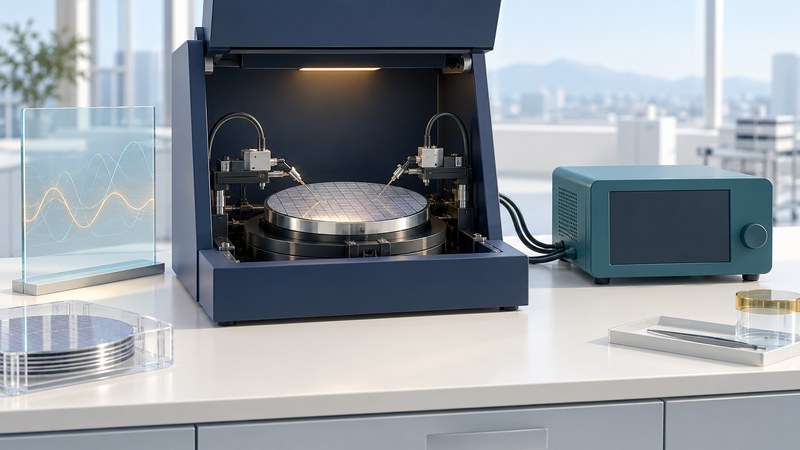
Wafer Testing: Find the Source of Measurement Noise
Use controlled comparisons to separate wafer-device behavior from contact, cabling, instrument and environmental noise.
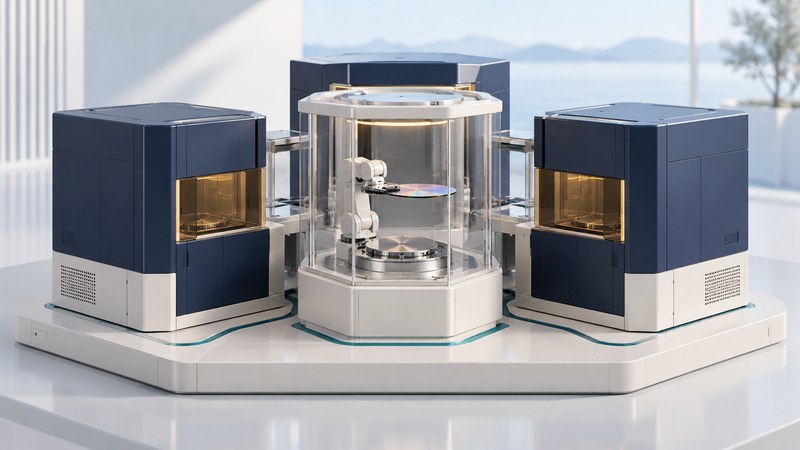
Cluster Probing: Find the Bottleneck in a Shared-Handler Test Cell
Estimate module and handler capacity, then test queueing, retest and recovery with a representative wafer mix.
Connected production and material flow

Digital Plant Architecture
Define data ownership, interfaces, and control boundaries across a connected plant.

Industrial Ethernet Gateways: Reliable Device Integration
Define serial messages, PLC mappings, data freshness, and failure recovery for industrial gateway connections.

Paperless Factory Floor
Connect current work instructions with traceable production records at the point of use.

Plant-Floor Material Visibility: Track and Reconcile WIP
Define material events, quantities, locations, and owned exceptions that reconcile with physical production.

Operations Monitoring
Build reliable production states, downtime records, and performance measures.

Guided Vehicles and Mobile Robots
Plan material routes, handoffs, traffic, charging, and acceptance evidence for mobile automation.
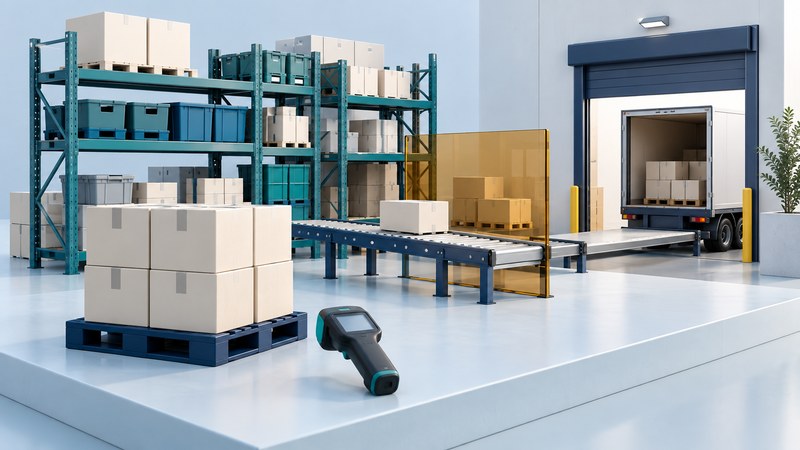
Supply Chain Execution: From Released Order to Verified Shipment
Map warehouse handoffs, reconcile quantities, and test recovery from short picks before trusting shipment status.
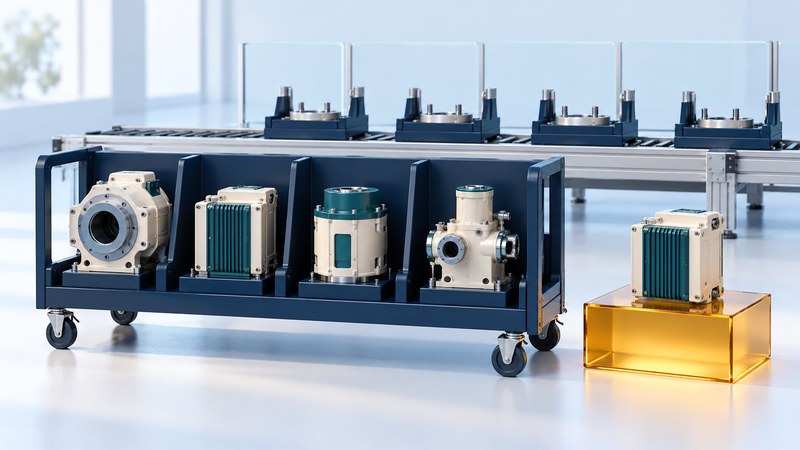
Sequential Parts Delivery: Keep Kits Aligned with the Build Order
Define sequence identity, rack positions, acknowledgements, and recovery tests for reliable line-side parts delivery.
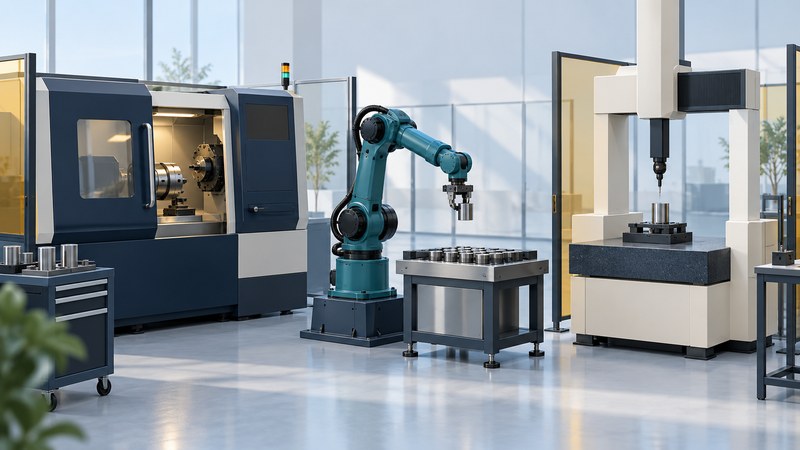
Agile Manufacturing: Replan a Cell with Reliable Feedback
Connect manufacturing-cell feedback to feasible replanning decisions, with qualified routes, inspection constraints and approval.
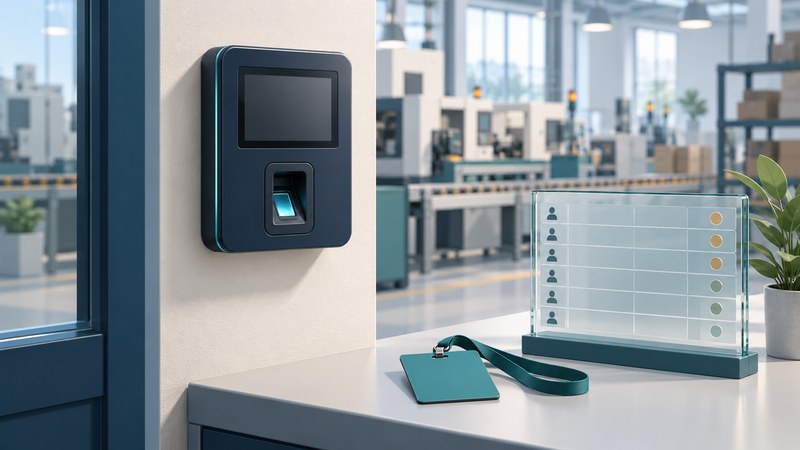
Biometric Timeclocks: Evaluate Reliability, Privacy and Payroll Handoffs
Plan a biometric timeclock pilot around recognition errors, employee alternatives, data handling and accurate payroll records.
Product design, prototypes, and assembly

Product Lifecycle Management
Keep product definitions, revisions, approvals, and manufacturing changes connected.
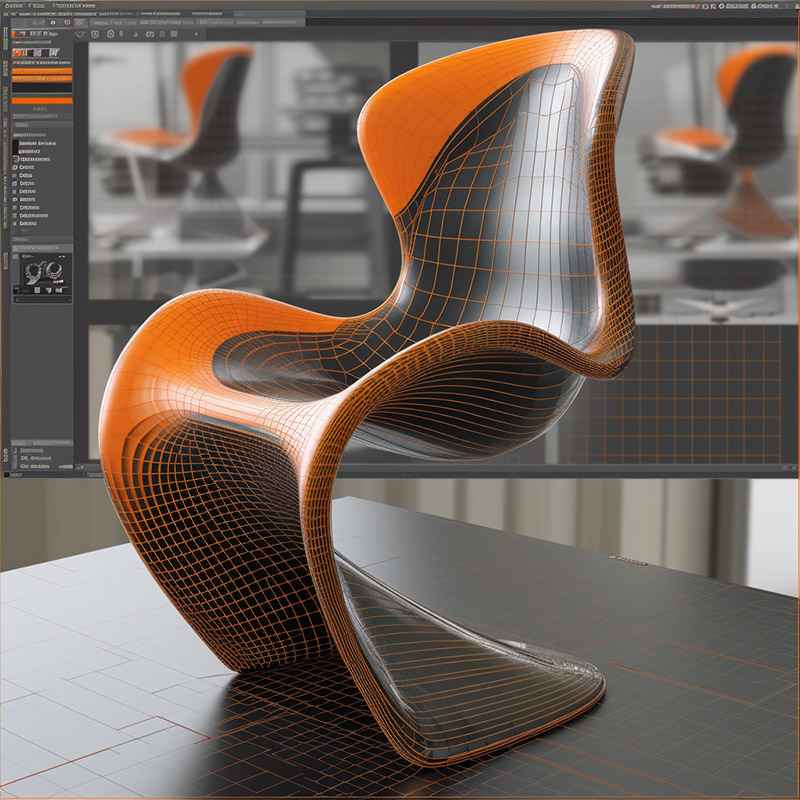
3D Parametric Modeling
Understand design intent, constraints, feature relationships, and practical CAD workflows.

Rapid Prototyping
Choose a prototype process and test plan around the question a physical model must answer.
3D Manufacturing
Compare additive process families, materials, post-processing, qualification, and production needs.

Virtual Assembly Lines
Model assembly flow and test production assumptions before changing a physical line.

CAD to Metal: Prepare a Part for Additive Manufacturing
Build a metal-additive quote package that includes design intent, post-processing, inspection, and finished-part acceptance.

CAD Visualization: Review Models with Reliable Context
Check CAD revision, units, assembly completeness and measurement context, then return review issues that the design owner can reproduce.
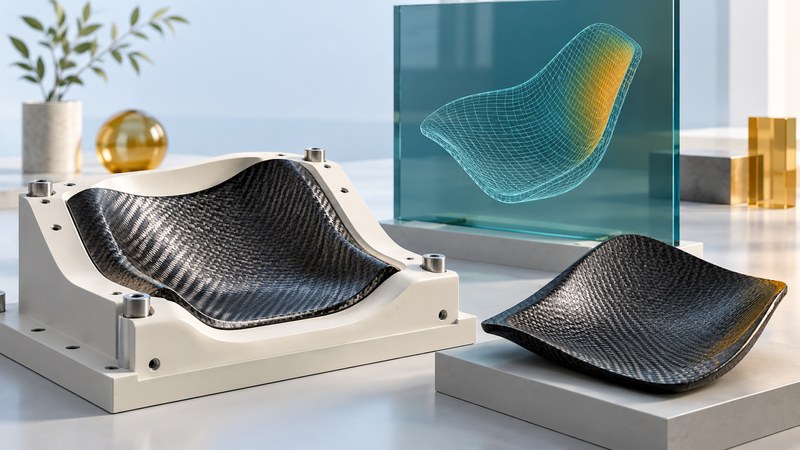
Composite Process Simulation: Validate Predictions Against Parts
Define a composite-process simulation decision, preserve model inputs, and compare predictions with independent measurements.

3D-Printed Jewelry Patterns: Evaluate Detail and Casting Results
Evaluate jewelry printing through the pattern, casting and finished feature, using a material-specific trial route.
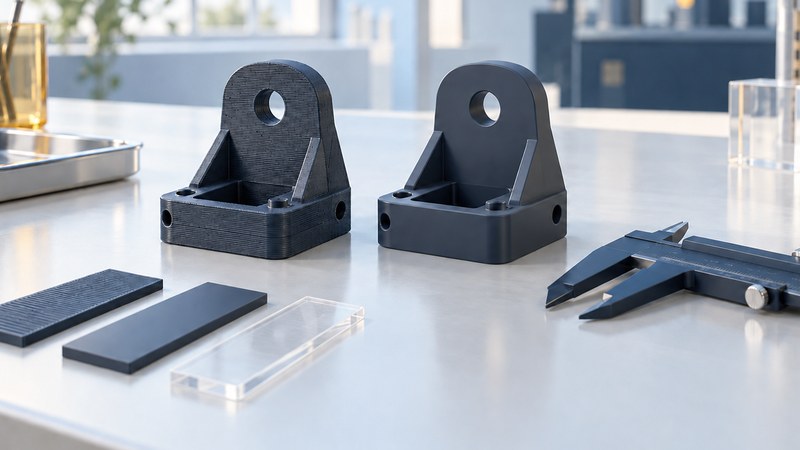
Printed Plastic Prototypes: What Can They Prove About a Molded Part?
Decide which fit, load and durability questions a printed plastic prototype can answer about a future molded part.
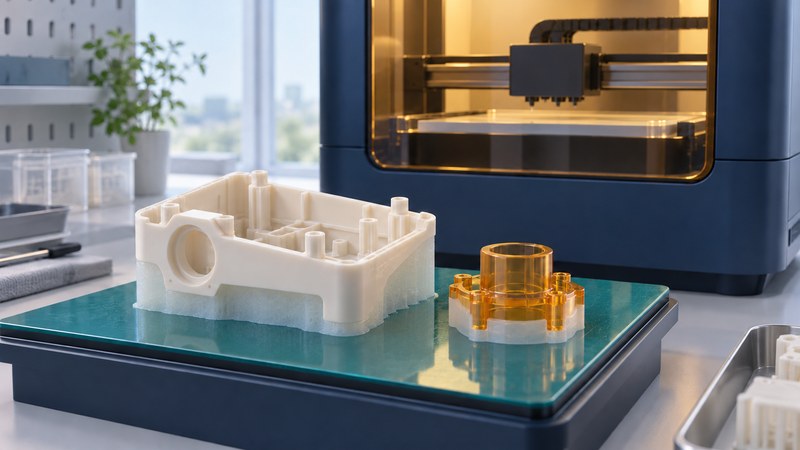
Photopolymer Jetting: Plan Detail, Supports and Finished-Part Tests
Prepare a material-jetting prototype brief covering fine features, support access, surface finish and finished-part acceptance.
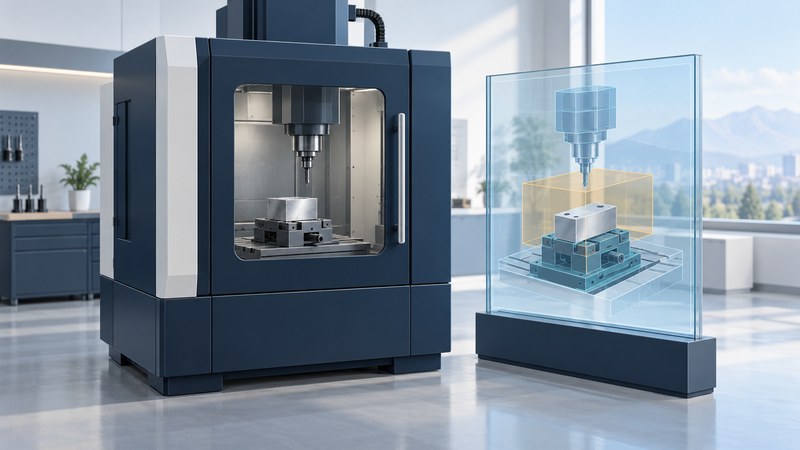
Real-Time CNC Simulation: Connect the Display to Verification
Check stock, fixtures, tools, machine motion and program inputs before relying on CNC simulation results.

Industrial Design Rendering: Compare Materials and Finishes Consistently
Build repeatable product appearance comparisons with controlled geometry, lighting, material inputs and color management.

Immersive Modeling: Plan a Useful VR Design Review
Prepare a VR design review with verified scale, defined tasks and reproducible feedback tied to the authoritative CAD model.
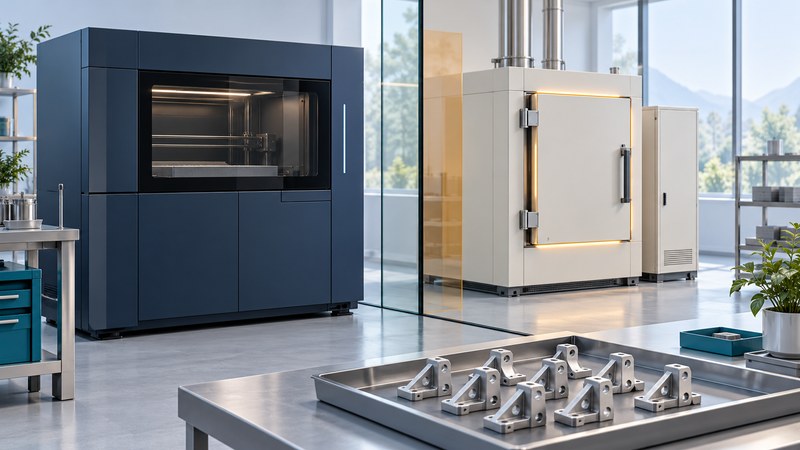
Desktop Metal Production System: Read the History and Evaluate the Full Workflow
Separate dated Production System announcements from current support evidence and calculate output through final accepted metal parts.

PLM Collaboration: Pilot a Controlled Supplier Review
Test a supplier review from released package through access, revision checks, receipt, acceptance and closure.
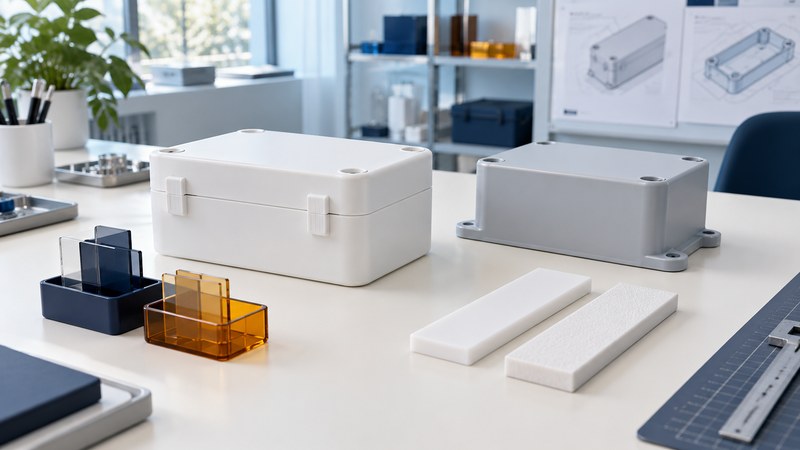
Accura 25: Read the Material Data Before Prototyping a PP Part
Interpret Accura 25 post-cured data, preserve test conditions and define which questions need a molded polypropylene sample.
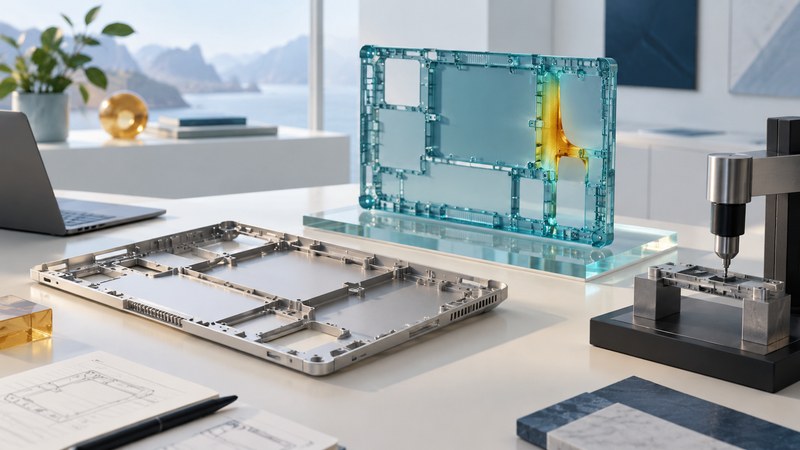
3D PLM: Keep Structural Analysis Linked to the Design Revision
Connect an enclosure analysis to CAD revision, material, loads, mesh and the physical test used to support a decision.

Metallic Rendering: Choose Display Modes That Reveal the Geometry
Choose repeatable metallic, flat, edge, transparent and sectional views for a CAM geometry review.
Materials, semiconductors, and sensors
Polyester Materials and Manufacturing
Compare polyester families, production methods, applications, and recycling approaches.

Polypropylene Properties and Applications
Explore PP grades, processing methods, component uses, and material tradeoffs.
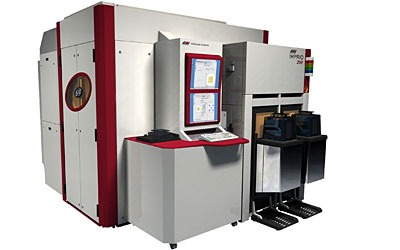
Modern Lithography
Compare optical, EUV, imprint, and direct-write patterning within manufacturing processes.

Advanced Process and Equipment Control
Connect semiconductor process measurements to bounded, validated control decisions.
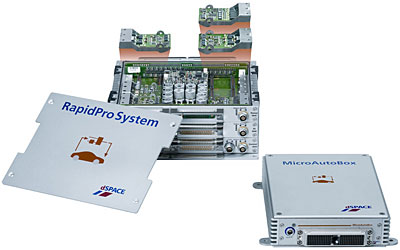
Automotive Sensors
Explore vehicle sensing, signal interpretation, diagnostics, and integration across major systems.
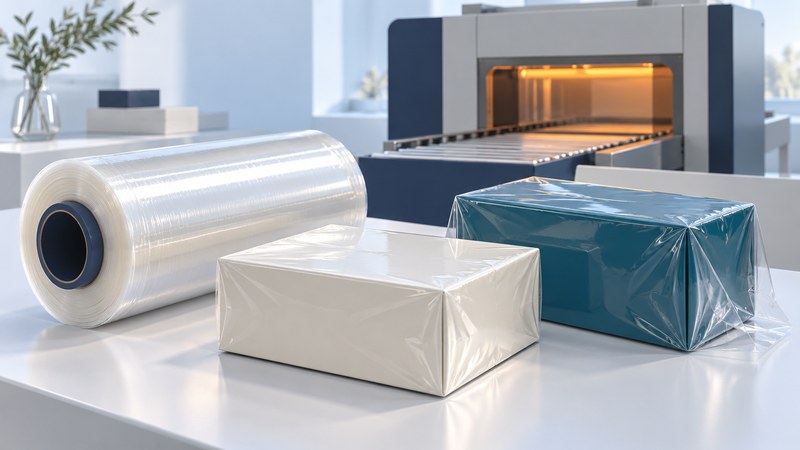
Shrink Film: Choose a Material and Diagnose Packaging Defects
Choose shrink film around the product, machine, and handling needs, then investigate defects through controlled trials.

Oxygen Scavengers in Packaging: Define the Oxygen Budget and Trial
Separate initial oxygen, package ingress, scavenger capacity and reaction conditions before planning a packaging trial.

Metallized Film: Compare Barrier Data and Finished-Package Performance
Compare metallized-film barrier data using common units and conditions, then test the converted and sealed package.
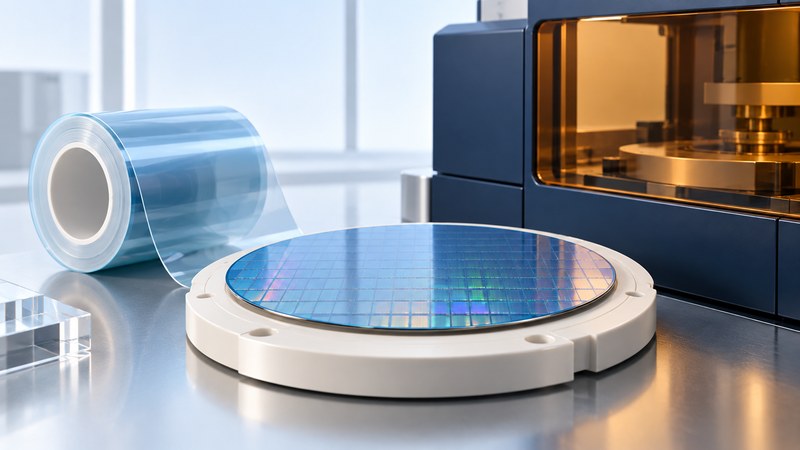
Wafer Protective Tape: Specify Back-Grinding and Release Requirements
Prepare a wafer back-grinding tape qualification brief covering topography, support, process compatibility, release and contamination evidence.

Titanium Dioxide in Paper: Evaluate Opacity and Trial Results
Compare titanium dioxide candidates using defined paper optical tests, controlled trial conditions and cost per acceptable tonne.

Optical Diffuser Films: Compare Data and Backlight Performance
Compare diffuser-film optical measurements, then evaluate luminance uniformity and durability in the actual backlight stack.
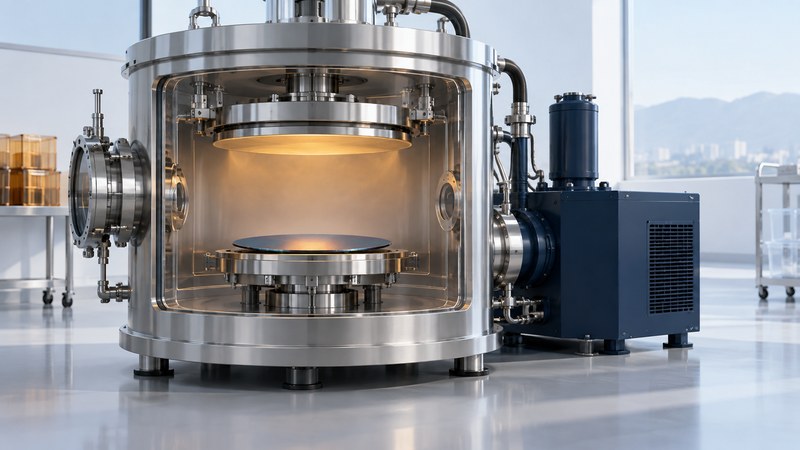
Physical Vapor Deposition: Understand and Qualify Thin Films
Explain semiconductor PVD choices and connect thin-film requirements to mapped measurements and qualification evidence.
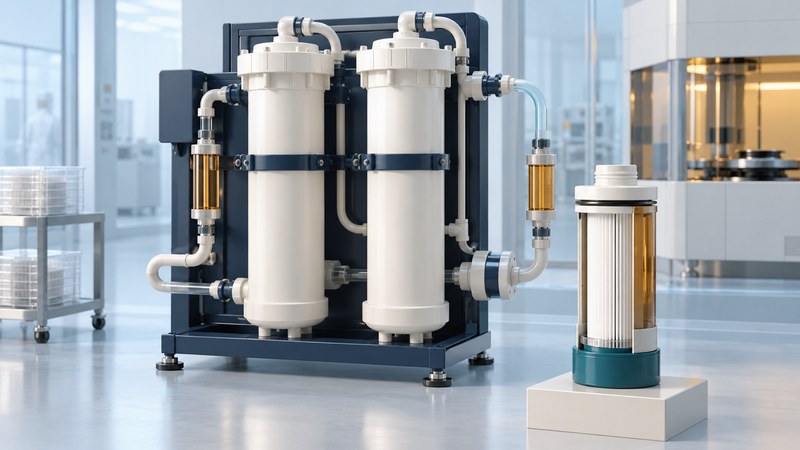
Microelectronics Filtration: Evaluate Chemistry, Flow and Defect Evidence
Prepare a semiconductor liquid-filter trial that connects chemistry, hydraulic conditions, cleanliness and downstream process evidence.

Fire-Resistant Composites: Read the Test Evidence and Its Limits
Read composite fire-test reports by matching the material, construction, exposure and classification to the intended application.
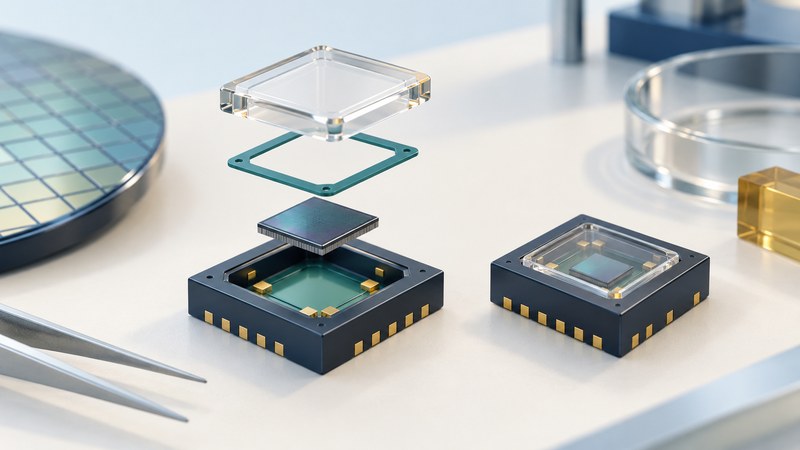
MEMS Packaging: Connect the Device, Cavity and Bonding Process
Connect a MEMS device’s physical function to cavity conditions, bonding choices and package qualification evidence.
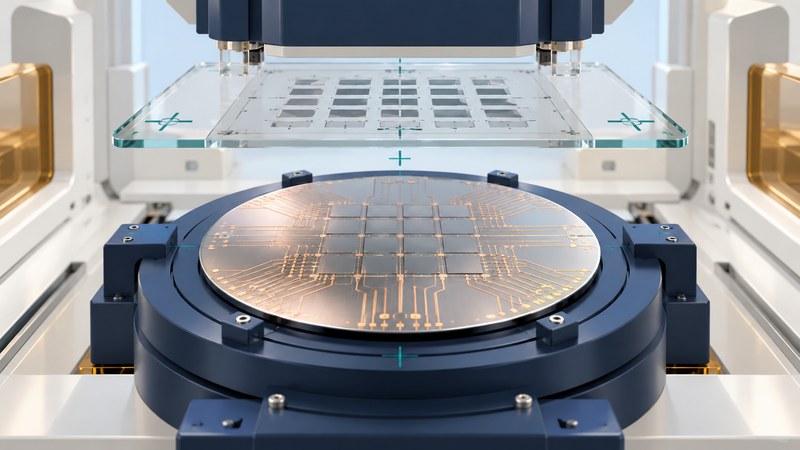
Packaging Lithography: Align Patterns on Real Substrates
Plan semiconductor packaging lithography around overlay, resist thickness, substrate condition and finished-pattern evidence.
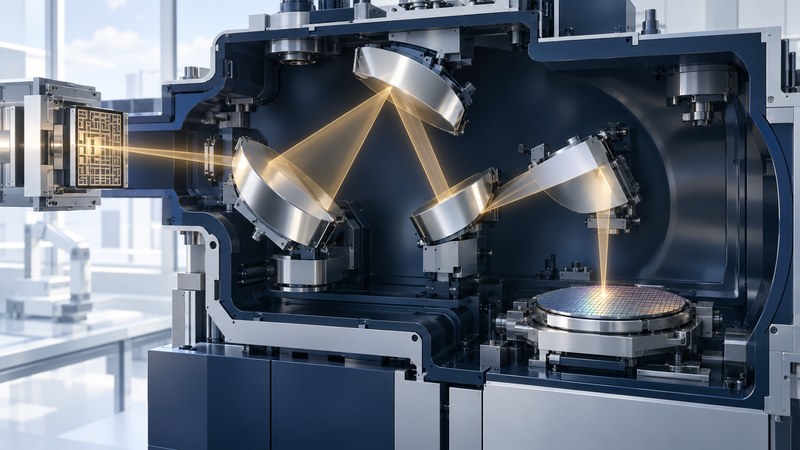
EUV Lithography: How Source, Masks and Resist Shape the Process Window
Understand how EUV light, reflective optics, masks and resist interact, and interpret process-window and throughput claims.

Low-k Dielectric Films: Balance Electrical and Process Requirements
Connect low-k dielectric measurements with curing, mechanical properties, patterning damage and integrated interconnect evidence.

Transistor Manufacturing: Understand Isolation, Gap Fill and Strain
Explain how dielectric isolation, gap-fill quality and strain connect to transistor fabrication and measured device behavior.

Packaging Research: Turn Material and Tracking Claims into Trials
Evaluate packaging claims through separate, defined material-comparison and RFID trials with measurable acceptance criteria.

FLOOPS: Understand Its History and a Calibrated Process-Simulation Workflow
Place FLOOPS in its research history and assess the recipe, mesh, model and validation evidence behind a process simulation.
Planning, industry, and AI

Supply Chain Planning
Connect demand, capacity, inventory, scenarios, and accountable responses across planning horizons.
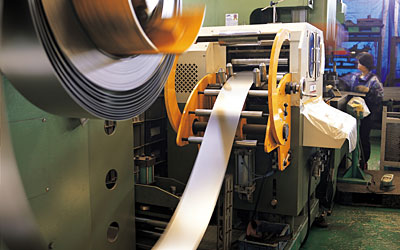
Global Manufacturing
Explore regional production networks, resilience, industrial technology, and the 2026 operating context.

AI in Manufacturing
Explore applications across maintenance, inspection, process control, planning, and production.
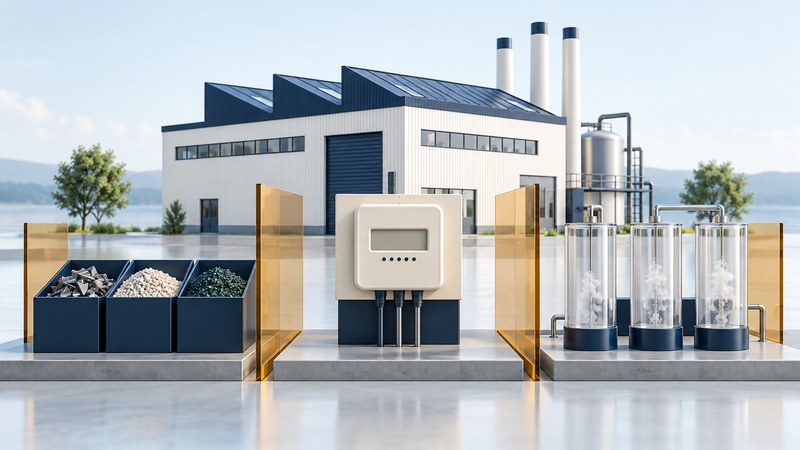
Factory Environmental Claims: Separate Waste, Energy, and Emissions
Evaluate factory environmental claims with separate records for waste destinations, energy use, and greenhouse-gas emissions.

Product Recall Services: Prepare Traceability and Test Provider Readiness
Prepare a recall-service brief and a mock exercise that reconciles affected products, contacts, remedies, and unresolved cases.
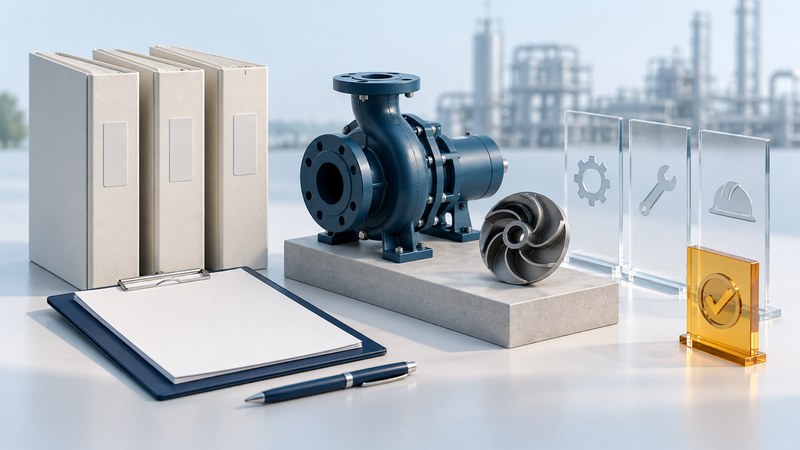
E-Procurement for Manufacturers: Define, Compare, and Accept Service Work
Prepare a manufacturing service brief, compare bids on common scope, and connect accepted deliverables to purchasing records.
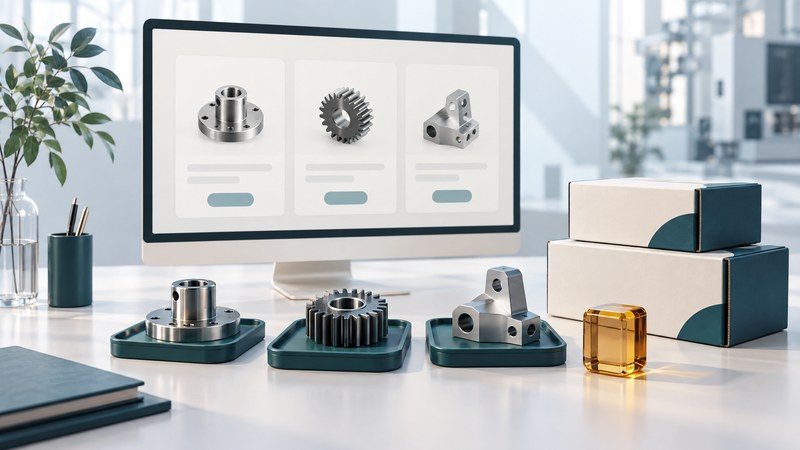
Manufacturer Ecommerce: Connect Catalogs, Quotes and Accepted Orders
Define B2B product, account, quantity and order rules, then test the handoff from storefront to accepted manufacturing order.

Manufacturing Growth: Read Output, Orders and Capacity Together
Interpret manufacturing output, orders, shipments and capacity using consistent periods, definitions and data revisions.

Supply Chain Optimization: Compare Scenarios with Explicit Constraints
Define a supply allocation problem, verify constraints and compare scenario costs against a feasible baseline.