High-pressure hydraulic hose looks simple from the outside, but it is one of the most consequential parts of a fluid-power system. A hose assembly has to carry pressure, tolerate heat and cold, survive flexing and vibration, resist abrasion, match the hydraulic fluid, and seal correctly at the fitting. When it is chosen well, it disappears into the machine's daily work. When it is chosen badly, it can stop production, damage equipment, or create a serious injury risk.
The modern trend is toward clearer pressure-based specification, better abrasion covers, tighter bend-radius guidance, cleaner routing, and maintenance programs that treat hoses as safety-critical consumables rather than as permanent plumbing. ISO 18752:2025 continues that pressure-class approach for wire- or textile-reinforced hydraulic hoses and hose assemblies, with each class carrying a single maximum working pressure across sizes. That makes the selection conversation more direct: what pressure, what temperature, what fluid, what motion, what environment, and what fitting system?
1. Construction Machinery
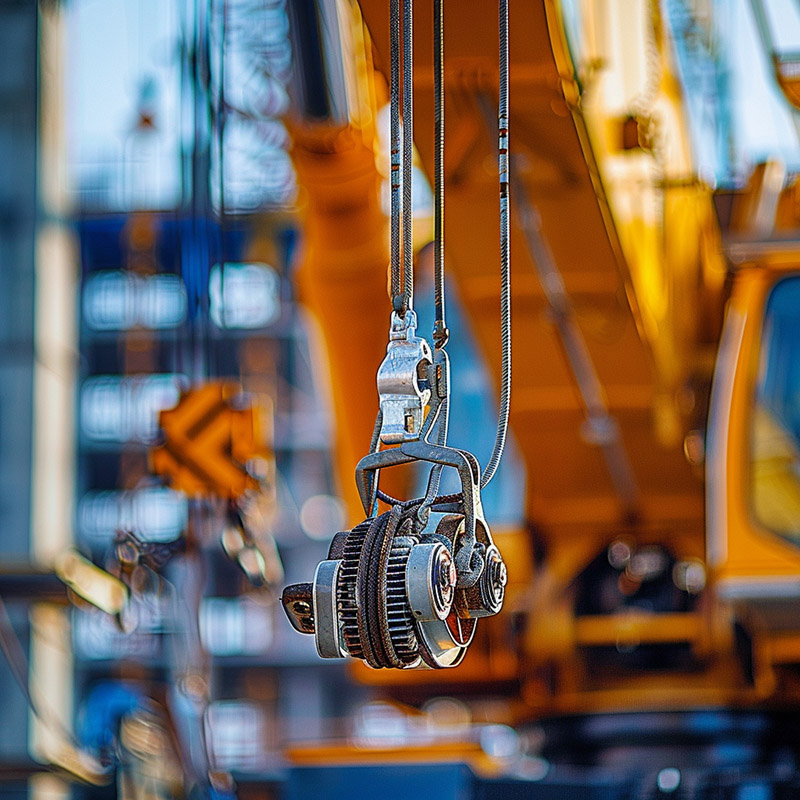
Excavators, loaders, cranes, pavers, drills, lifts, and compact equipment all depend on hoses that can flex as booms, buckets, attachments, and outriggers move. Construction hoses are exposed to mud, rock, concrete dust, sharp edges, weather, impact, and repeated impulse loads, so the right assembly is not only about maximum pressure. Bend radius, cover durability, clamp placement, hose length, routing away from pinch points, and protection against abrasion often decide whether a hose lasts a season or fails early.
2. Agricultural Equipment
Farm equipment adds its own complications: long idle periods, dusty harvest conditions, corrosive fertilizer exposure, field repairs, quick-coupler changes, and operators working close to moving implements. Hydraulic hoses on tractors, loaders, combines, sprayers, balers, log splitters, and telehandlers should be inspected for cracked covers, blistering, exposed reinforcement, crushed sections, leaking fittings, and damaged couplers. A pinhole leak is not a harmless mist; high-pressure fluid can penetrate skin and require emergency treatment.

3. Transportation and Vehicle Systems
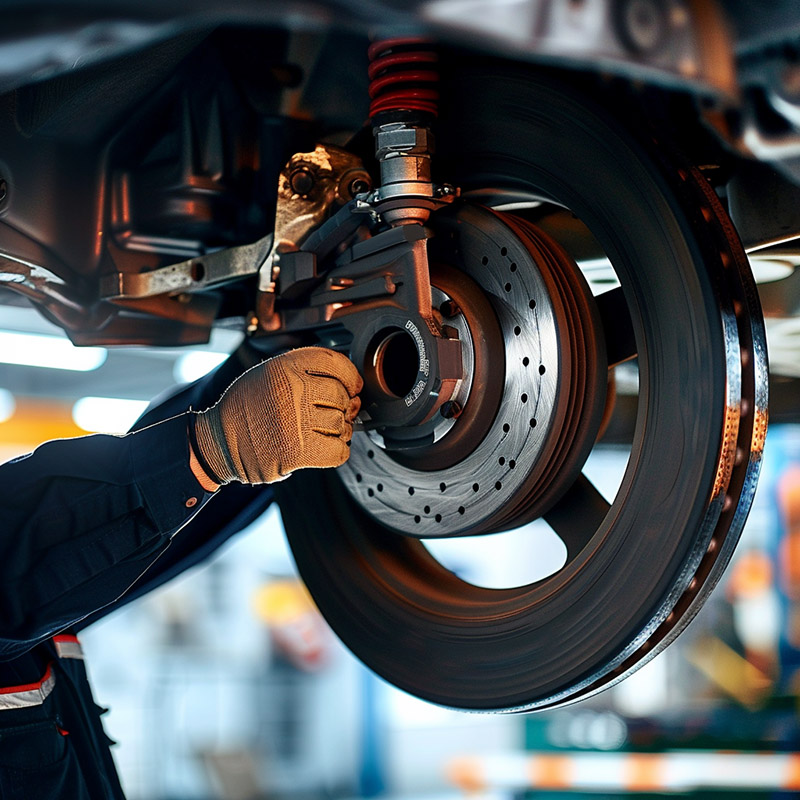
Hydraulic hoses are common in heavy trucks, refuse vehicles, buses, vocational fleets, trailers, liftgates, snowplows, utility vehicles, power steering circuits, clutch systems, and specialized braking or suspension equipment. Vehicle applications reward compact routing and flexible assemblies, but they also punish weak choices with heat, vibration, road salt, tight spaces, and repeated service cycles. Hose assemblies should be matched to the original equipment requirements, not merely to a nearby diameter or thread that happens to fit.
4. Manufacturing Equipment
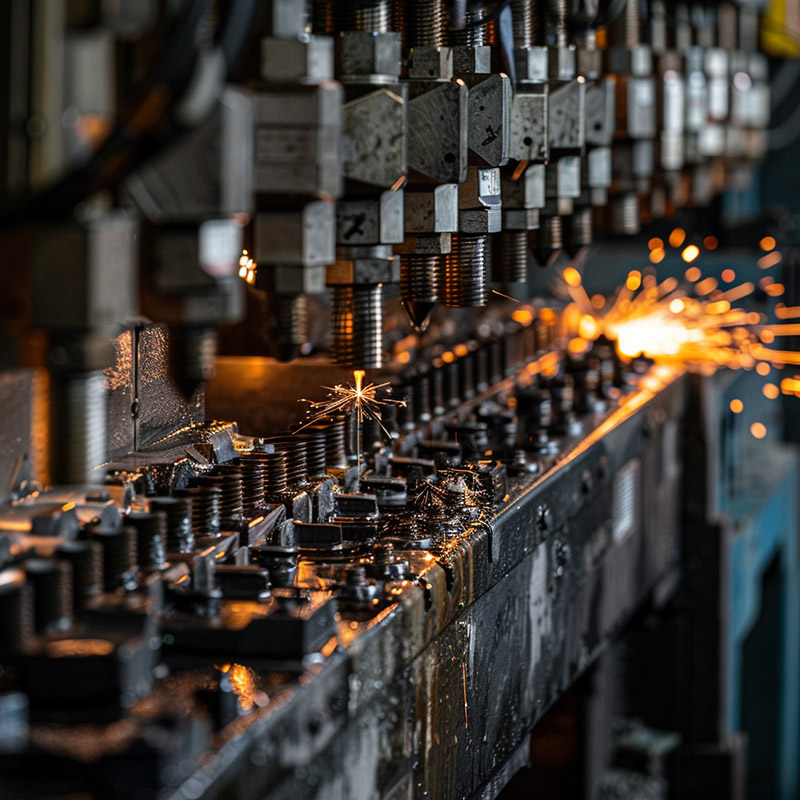
Presses, injection molding machines, die-casting equipment, machine tools, conveyors, compactors, and automation cells use hydraulic hose where motion, service access, or vibration make rigid pipe impractical. In factories, the cost of a hose failure is rarely just the replacement part. It can mean lost production, cleanup, contaminated parts, safety investigation, and damage to seals, pumps, or tooling if debris enters the system. Plants increasingly pair hose replacement schedules with condition checks, oil cleanliness programs, and documented assembly specifications.
5. Aerospace and Aviation
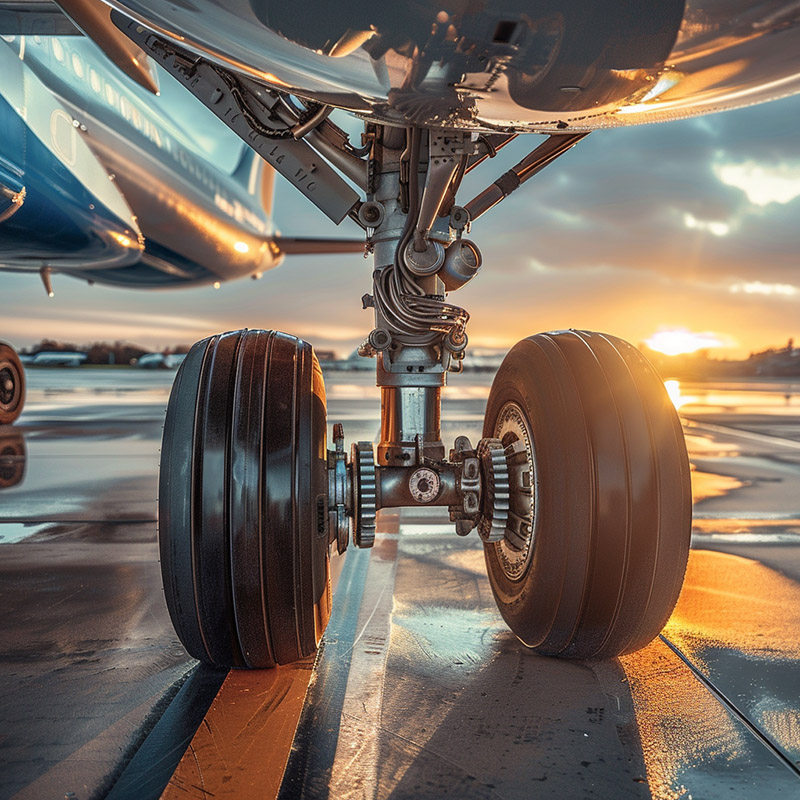
Aircraft and aerospace ground equipment use hydraulic power for functions where weight, redundancy, and reliability matter intensely, including landing gear, brakes, flight-control actuation, doors, and test equipment. Aviation hose selection is governed by exact specifications, approved materials, fire resistance requirements, installation practices, traceability, and scheduled maintenance. The broader lesson carries into industrial work: a hose assembly is a designed component, not a generic length of rubber.
6. Marine Applications
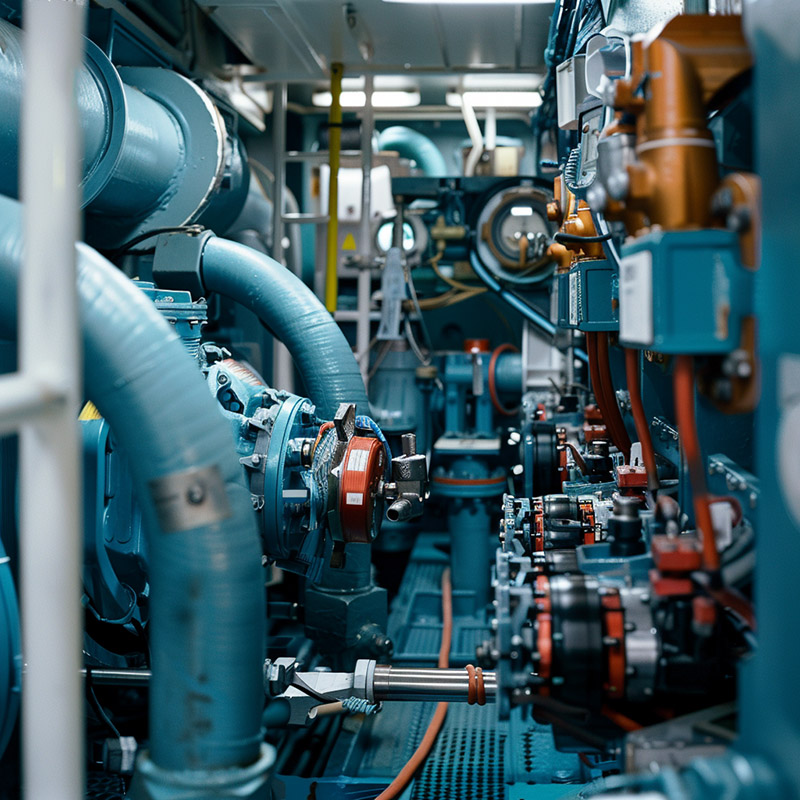
Marine hydraulic systems appear in steering gear, stabilizers, winches, cranes, hatch covers, ramps, deck machinery, thrusters, and fishing or offshore equipment. Saltwater, humidity, confined machinery spaces, vibration, and corrosion make hose protection and fitting choice especially important. Marine operators also have to think about fluid containment: a burst hose can become an environmental problem as well as an equipment problem.
7. Mining and Heavy-Duty Work
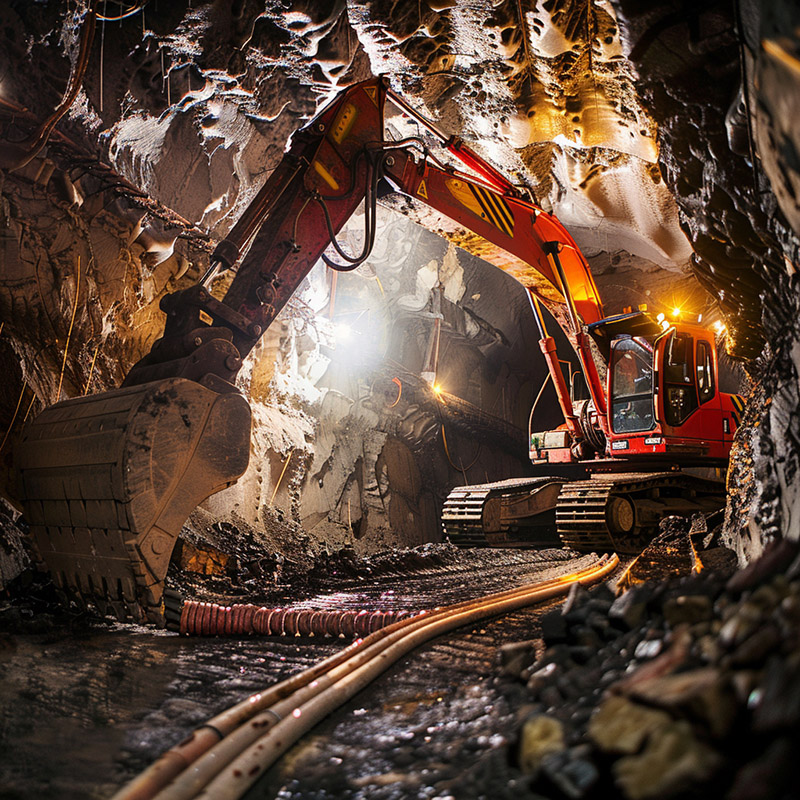
Mining, quarrying, tunneling, demolition, and forestry equipment push hoses through abrasion, shock, contamination, high impulse cycles, falling material, and difficult access. The hose cover may be as important as the pressure rating, because a technically adequate hose can fail quickly if rock, steel, or repeated rubbing cuts through the outer layer. Protective sleeves, guards, clamps, careful bend transitions, and standardized spare assemblies can reduce downtime when service windows are short.
8. Oil, Gas, and Energy Services
Hydraulic hose supports drilling equipment, workover rigs, offshore cranes, pipe-handling systems, pumps, valves, and service trucks. These applications often combine high pressure with harsh weather, remote locations, strict safety procedures, and long consequences from leaks or unplanned shutdowns. Assemblies should be selected around working pressure, impulse exposure, fluid compatibility, temperature, fire risk, external abrasion, regulatory requirements, and the weakest rated component in the hose-and-fitting combination.

9. Renewable Energy and Utility Equipment
Hydraulics remain part of wind turbines, hydroelectric systems, mobile substations, line trucks, vegetation-management equipment, and other utility work. In wind turbines, hoses may serve pitch, brake, lubrication, and service systems, where access is difficult and replacement planning matters. In utility vehicles, hoses must flex repeatedly through booms and aerial platforms while keeping workers away from uncontrolled motion and fluid injection hazards.

10. Entertainment, Simulation, and Specialty Motion
Theme-park rides, animatronics, stage machinery, test rigs, motion simulators, and rescue tools use hydraulics when smooth, powerful movement is needed in a compact package. In these settings, hose routing is part of the user experience as well as the safety case: hoses should be shielded from guests or performers, protected from repeated flexing beyond their design limits, and inspected as part of daily or event-based operating routines.
How to Select a Hose Assembly
A sound specification starts with pressure, but it should not stop there. Confirm the system's working pressure, surge conditions, temperature range, fluid type, minimum bend radius, motion profile, duty cycle, outside abrasion, fitting type, attachment method, cleaning chemicals, flame or electrical exposure, and applicable standards. ISO 18752 is useful because it organizes hose performance by pressure class, while older construction-based descriptions can require closer checking as hose size changes.
The assembled hose is only as strong as its lowest-rated part. A high-rated hose paired with the wrong fitting, bad crimp, incompatible adapter, damaged coupling, or poor installation can still fail. Good practice includes using manufacturer-approved hose and fitting combinations, following crimp specifications, keeping assemblies clean, avoiding twist during installation, leaving enough slack for motion, and protecting bends and rub points.
Inspection and Replacement
Hydraulic hoses should be inspected before use and during planned maintenance. Warning signs include leaks, wet fittings, cracked or hardened covers, exposed wire reinforcement, flattened sections, kinks, blistering, soft spots, corrosion at fittings, abrasion, hose movement in clamps, and rubbing against sharp edges. Never use a hand to search for a leak. Shut the system down, release stored pressure, support raised loads mechanically, and use safe detection methods.
Replacement should be based on condition, application risk, manufacturer guidance, and service history rather than waiting for visible failure. High-consequence systems may need documented lifetimes, pressure tests, serialized assemblies, and scheduled change-outs. For mobile equipment, keeping correctly specified spare assemblies on hand can reduce rushed field repairs, which are often where mismatched parts and makeshift routing enter the system.
Safety Comes Before Convenience
High-pressure hydraulic fluid can cause injection injuries even through small punctures. These injuries can look minor at first, but the injected fluid can damage tissue and require urgent medical care. Operators and technicians should be trained to depressurize systems, lock out equipment, support suspended loads, keep guards in place, replace damaged hoses, and avoid improvised couplers or temporary wraps that hide a dangerous failure.
Designers can reduce risk by positioning hoses away from people, adding guards where access is unavoidable, providing shutoff and drain points, using hose burst valves where component failure could injure someone, and making maintenance access practical. A hose that is easy to inspect and replace is more likely to be maintained correctly.
High-Pressure Hose as a 2017 Milestone
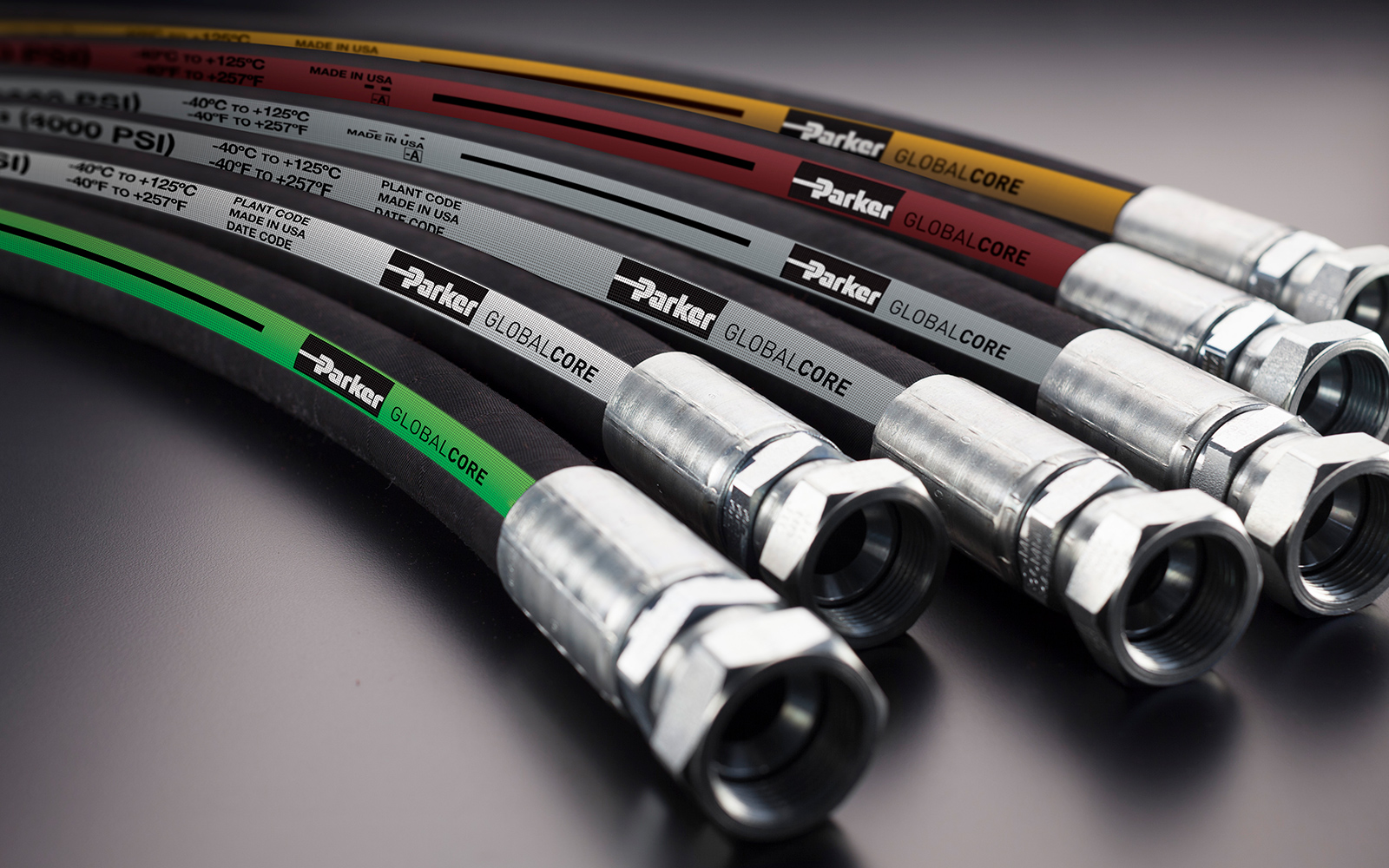
Parker Hannifin's 2017 introduction of the GlobalCore 187 Hose was an example of the industry's move toward pressure-based hose families. The 187 Hose was presented as a 7 MPa / 1,000 psi constant working pressure hose within Parker's ISO 18752-based GlobalCore range, intended to simplify selection by rating hoses by pressure rather than by construction alone.
That idea remains useful today. A constant-working-pressure family can make equipment design, spare-parts inventory, global replacement, and technician training easier, especially for fleets and OEMs operating across multiple regions. The important caveat is that standardization does not remove the need for engineering judgment: pressure class, fittings, fluid compatibility, temperature, impulse life, bend radius, cover type, and installation quality still decide whether the assembly is right for the job.