Find the right guide for your next job, compare related tools, or look up equipment you already own. Browse all 47 guides in seven groups below.
47 of 47 guides shown.
No guides match these filters. Try a shorter tool name or task, choose all topics, or clear the filters.
Drilling and holemaking
Choose the drill, bit and setup for the material. 6 guides.
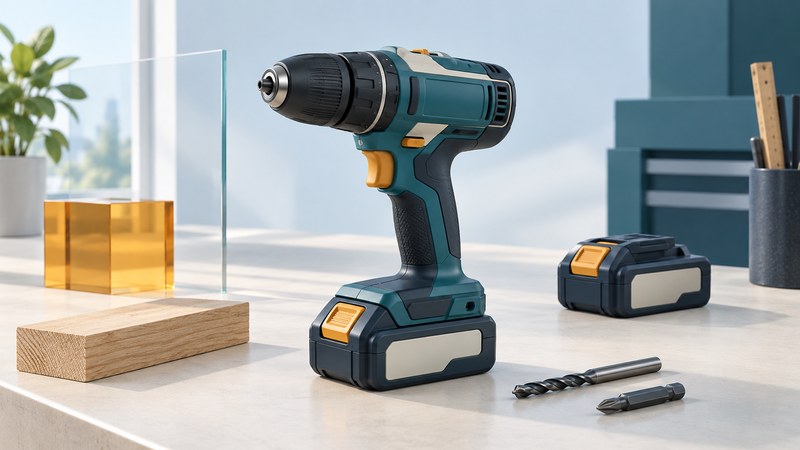
Cordless Drills: Choose the Tool and Set It Up for the Job
Match a drill to your materials, understand gears and clutch settings, and make a controlled first test.
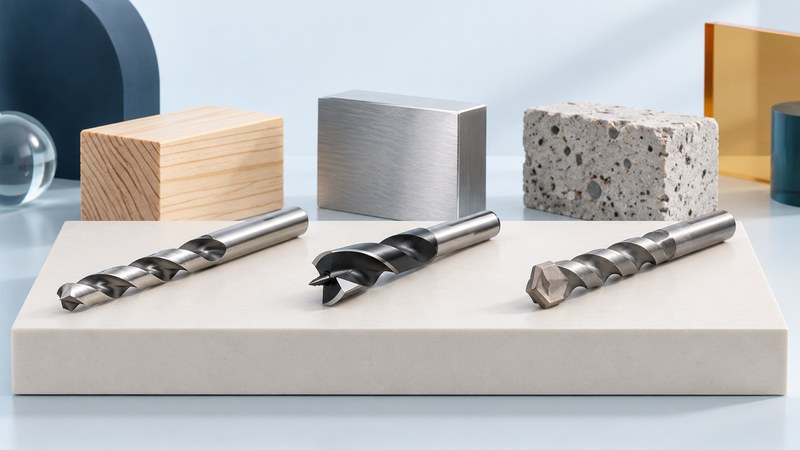
Drill Bits: Match the Material, Hole and Drill
Choose a bit by material, hole geometry and shank compatibility, then use the right speed guidance and check the result.
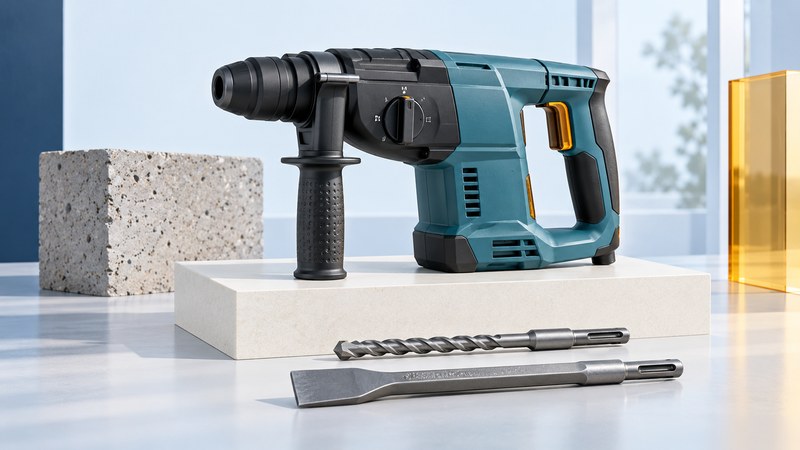
Rotary Hammers: Choose the Bit, Mode and Dust Control
Match a rotary hammer to concrete holes or chiseling, verify the accessory interface, and prepare the complete drilling setup.
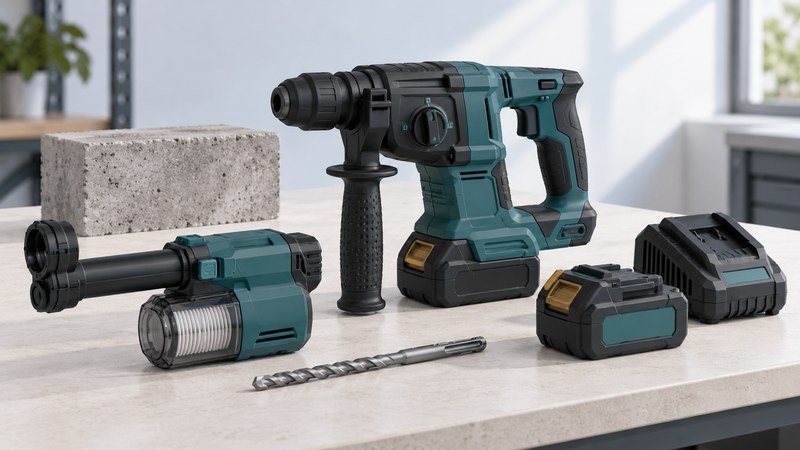
Cordless Rotary Hammers: Plan the Battery, Weight and Drilling Job
Compare complete cordless rotary-hammer setups by hole requirements, battery compatibility, working weight, extraction and charging access.
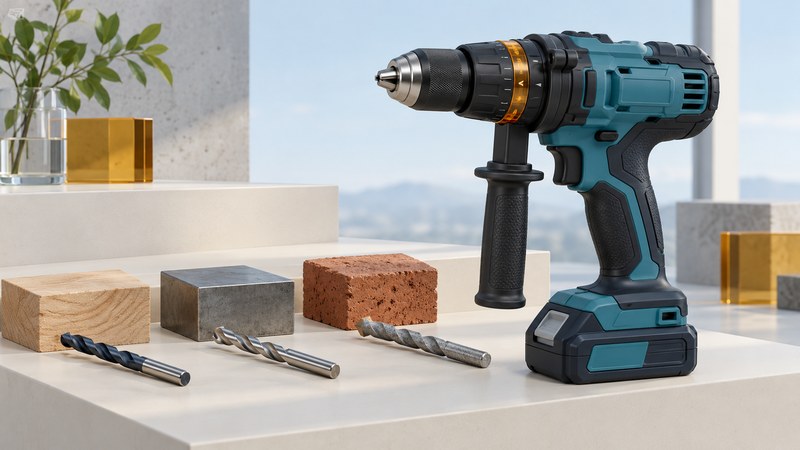
Hammer Drills: Choose the Mode for the Material
Match drilling, screwdriving or percussion mode to the material, confirm bit compatibility and prepare a controlled first hole.
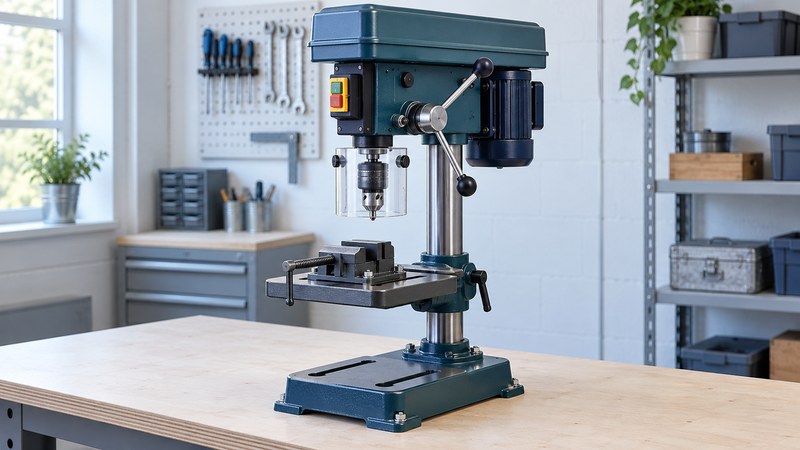
Drill Presses: Set Up for Repeatable Holes
Compare usable capacity, secure the work, select speed from the right guidance, and verify a first hole before repeating it.
Powered fastening and air tools
Compare screw, nail and staple systems, plus pneumatic hammer setups. 7 guides.
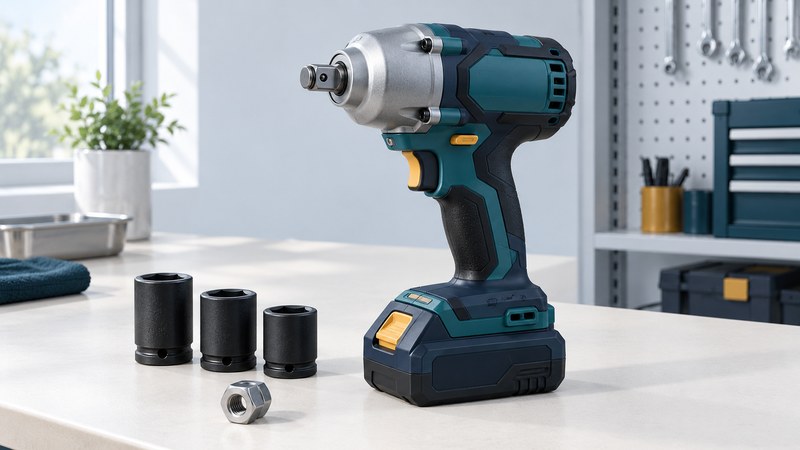
Cordless Impact Wrenches: Choose the Drive and Control the Job
Distinguish a wrench from a driver, match impact sockets and access, and keep removal power separate from final torque.
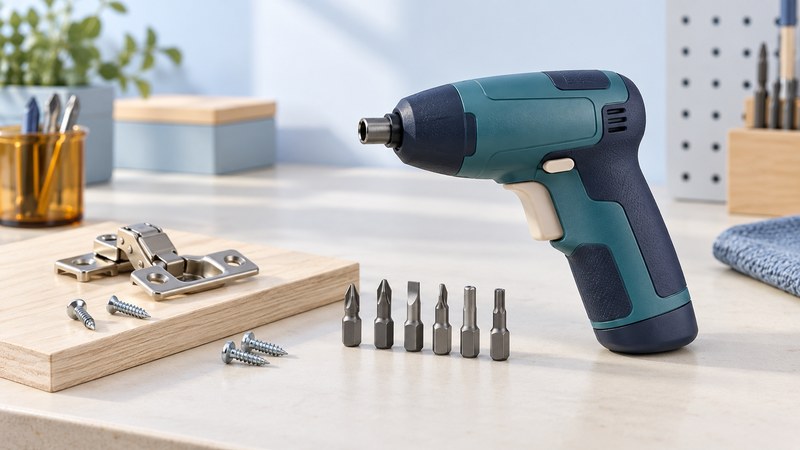
Cordless Screwdrivers: Choose Control for Small Fasteners
Choose a compact driver by bit fit, access and useful controls, then check a trial screw before repeating the assembly.
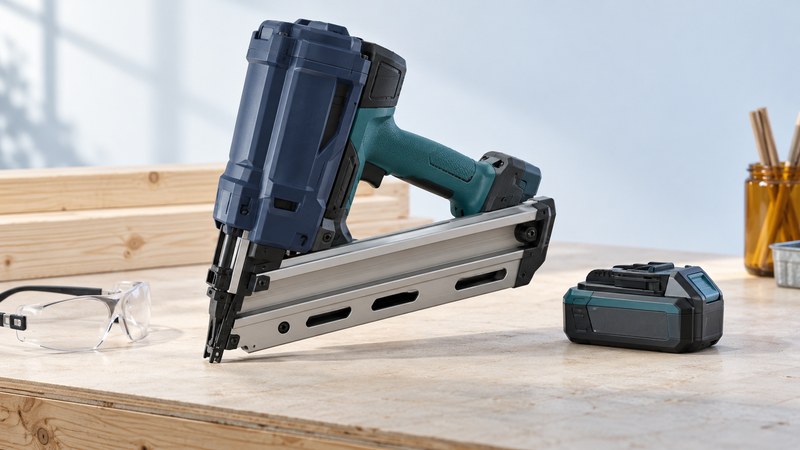
Cordless Framing Nailers: Match Fasteners, Power and Firing Controls
Verify the nail specification, power system and trigger behavior, then prepare a controlled trial with the actual tool.
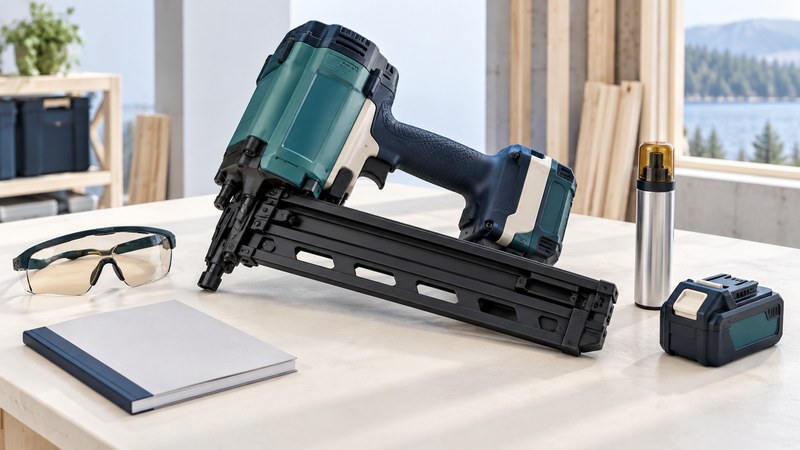
Cordless Gas Nailers: Fuel, Batteries and Ownership Checks
Identify a combustion-powered nailer, verify its fuel and battery system, and plan consumables, cleaning and service around the exact model.
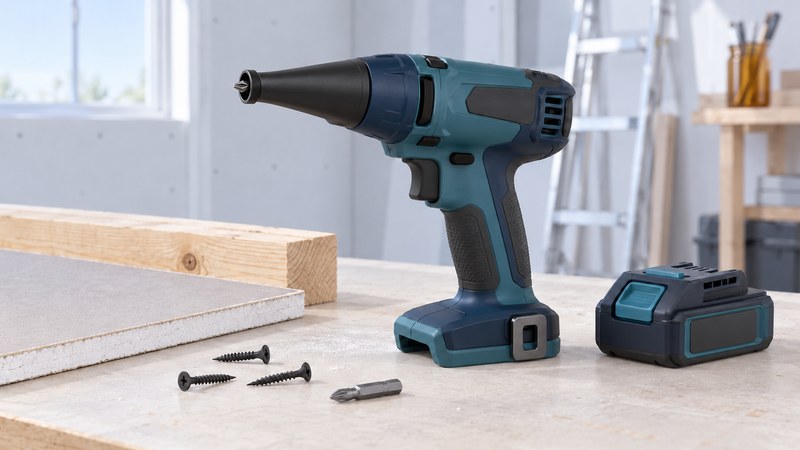
DeWalt Screw Guns: Control Fastener Depth for the Job
Identify the screw-gun configuration, match the fastening system and check repeatable depth on representative material.
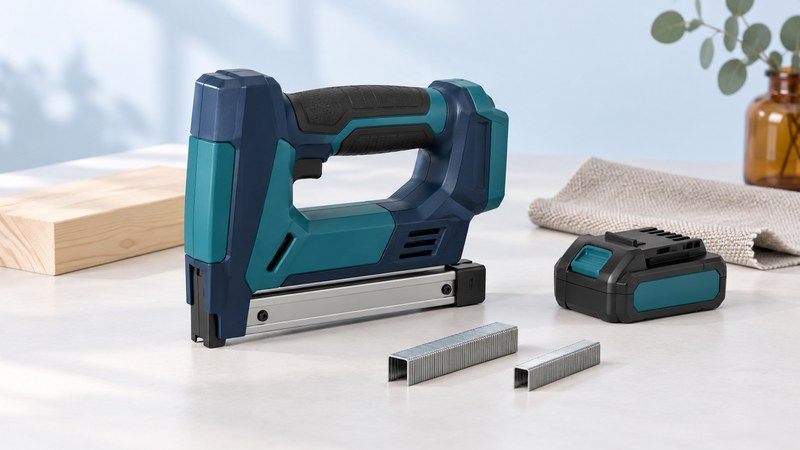
Cordless Staplers: Match Crown, Leg and Material
Read the complete staple specification, confirm the tool and material combination, and inspect a trial fastening.
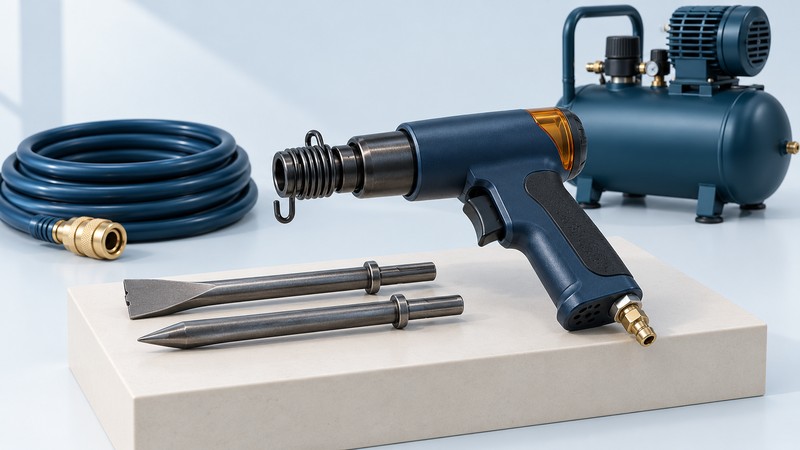
Air Hammers: Match the Compressor, Chisel and Task
Compare pressure and air flow, verify chisel and retainer compatibility, and decide whether a pneumatic hammer fits the work.
Woodworking and shaping
Plan cuts, profiles, stock preparation and surface finishing. 9 guides.
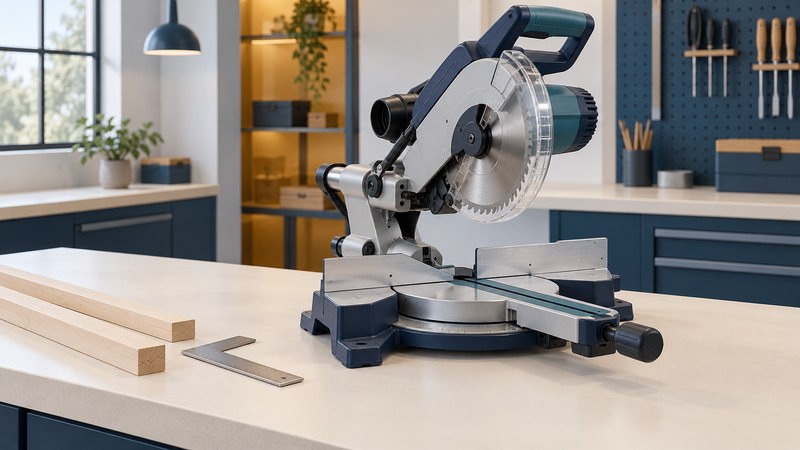
Miter Saws: Choose Capacity and Check the Cut
Compare crosscut, miter and bevel capacity, prepare a supported work area, and use test pieces to verify a repeatable setup.

Router Bits: Match the Profile, Shank and Cut
Choose a bit for the intended profile or joint, verify collet and speed limits, and use a test cut to establish the fit.
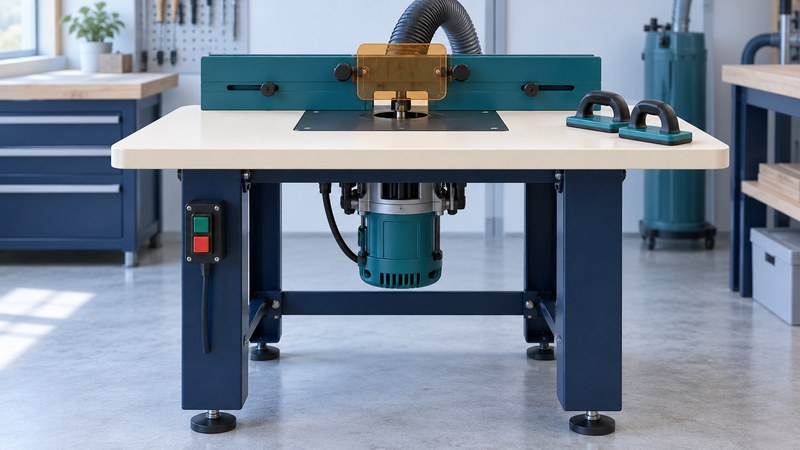
Router Tables: Plan a Supported, Controlled Setup
Check the router and table as a complete assembly, arrange guidance and guarding, and verify a trial cut before shaping finished parts.
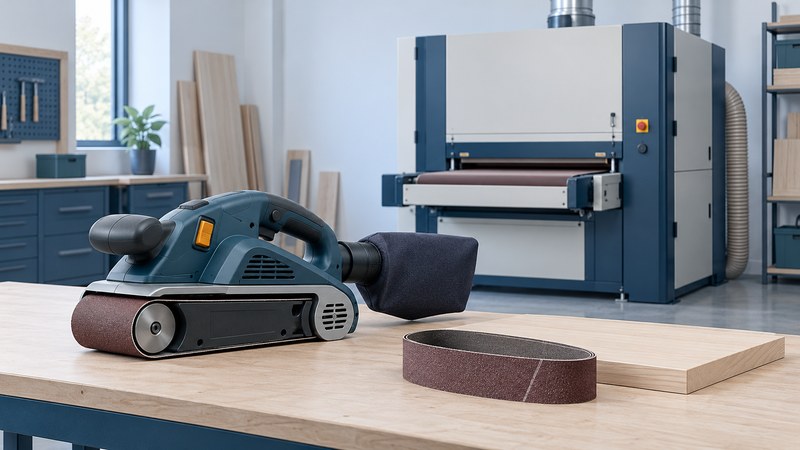
Belt Sanders: Choose Handheld, Stationary or Wide-Belt Equipment
Match the sander to the workpiece, then plan abrasive choice, dust collection and a controlled trial pass.
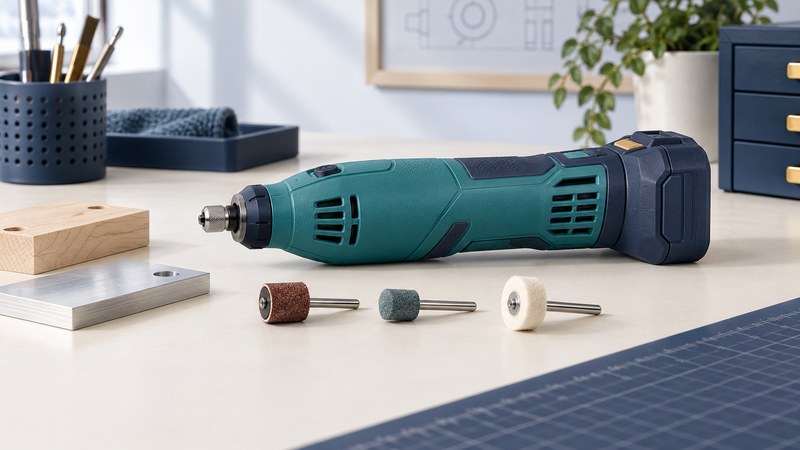
Cordless Rotary Tools: Match Accessories to Small Jobs
Choose a rotary tool around accessory compatibility, access and controlled work on small parts.
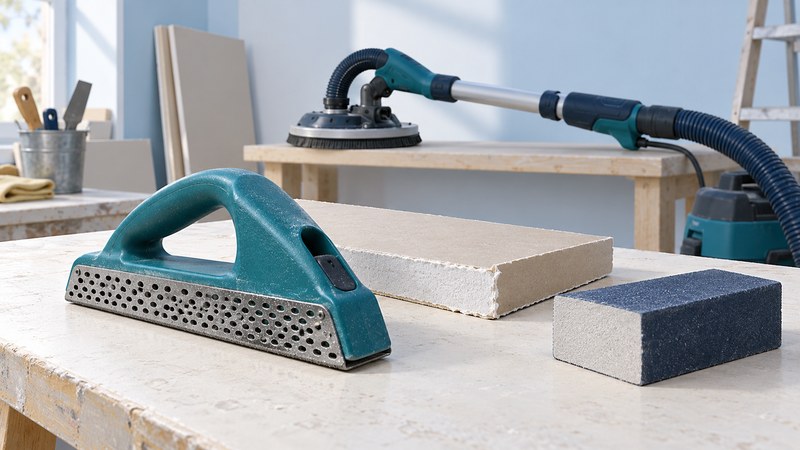
Drywall Rasps and Sanders: Match the Tool to the Finish
Separate board-edge trimming from joint finishing, choose a suitable tool and plan dust control before sanding.
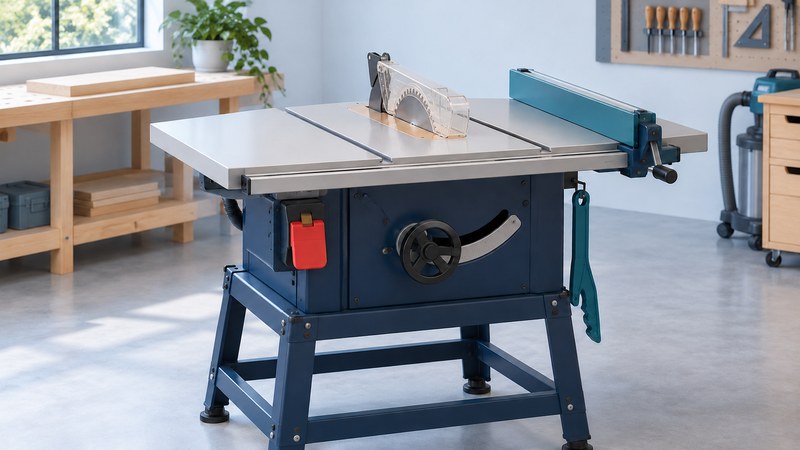
Delta Table Saws: Identify the Model and Plan the Cut
Find the matching Delta manual, assess the workpiece and plan guidance, guarding and support for the intended cut.
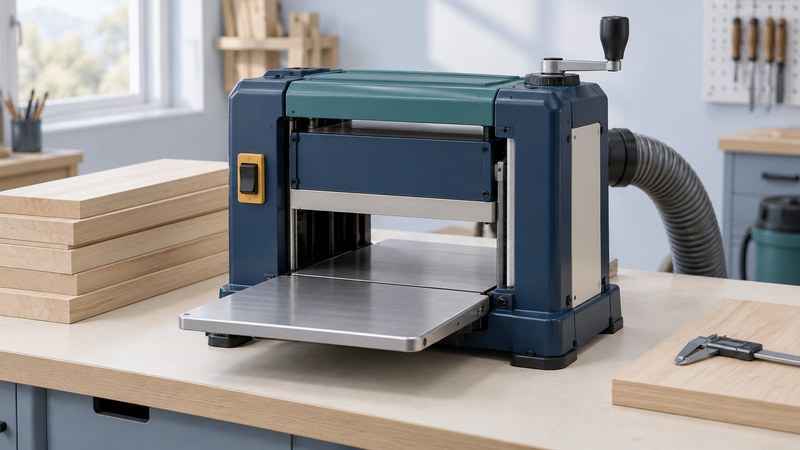
DeWalt Thickness Planers: Prepare Stock and Check the Surface
Prepare a suitable reference face, plan support and chip collection, and use measured trials to assess thickness and finish.
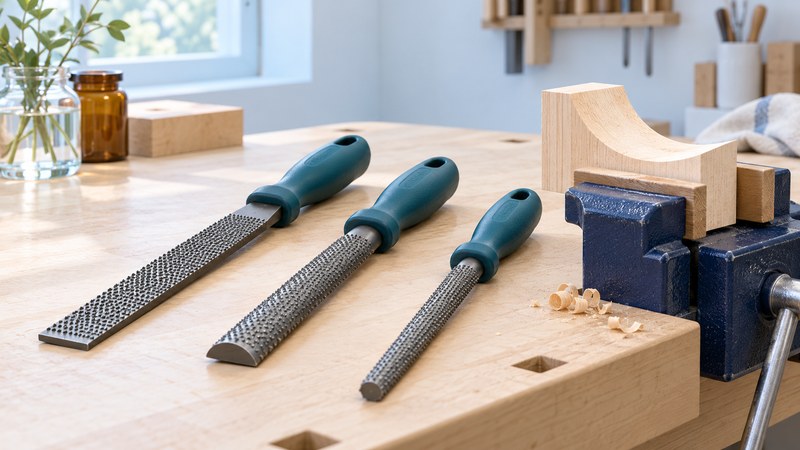
Wood Rasps: Shape Curves and Refine the Fit
Choose a rasp profile, secure the work and approach a marked shape in controlled stages before smoothing.
Measuring and layout
Compare pocket tapes, digital displays and laser distance tools. 5 guides.
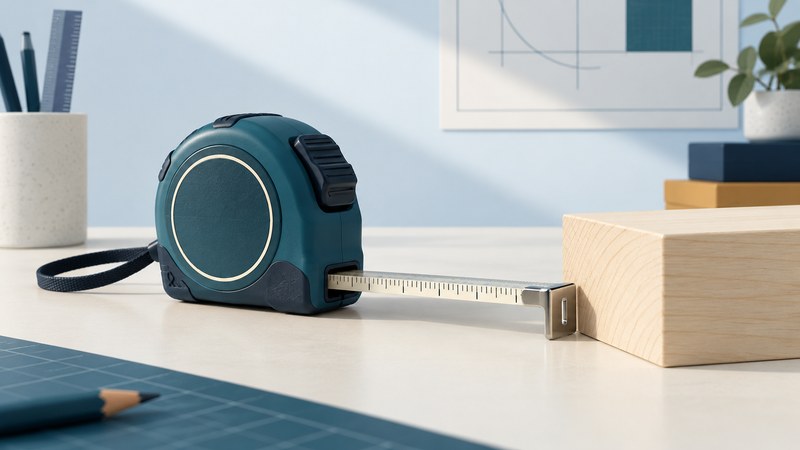
Tape Measures: Read, Check and Transfer a Measurement
Read fractional and metric scales, understand the sliding hook, and turn a checked measurement into a clear layout mark.
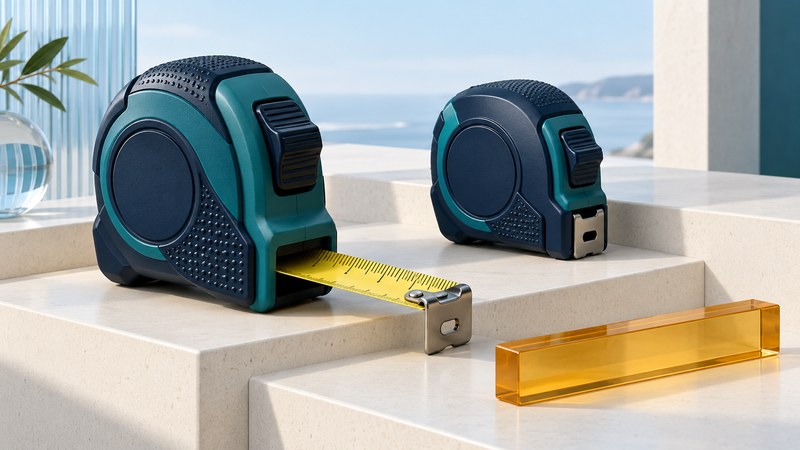
Tape Rules: Compare Standout, Reach, Hooks and Blade Control
Compare steel tape-rule features by the measurements you make, including reach claims, blade support, hook access, readability and controlled retraction.
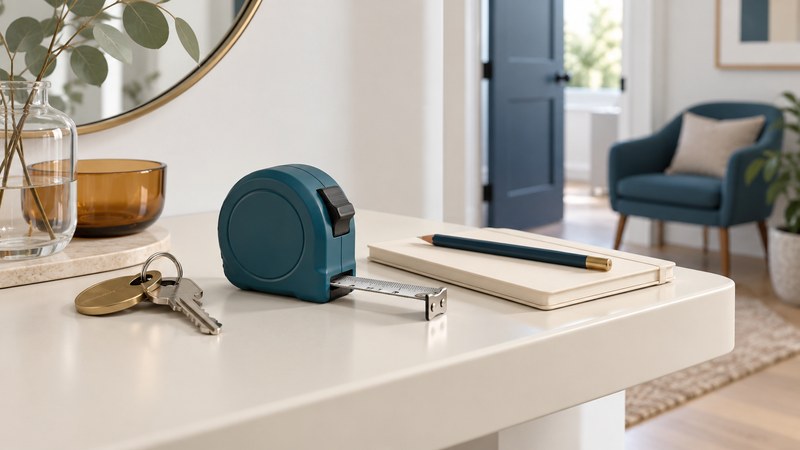
Pocket Tape Measures: A Compact Kit for Shopping and Fit Checks
Choose a compact tape, record meaningful dimensions and check openings, obstructions and access before buying furniture or small household items.
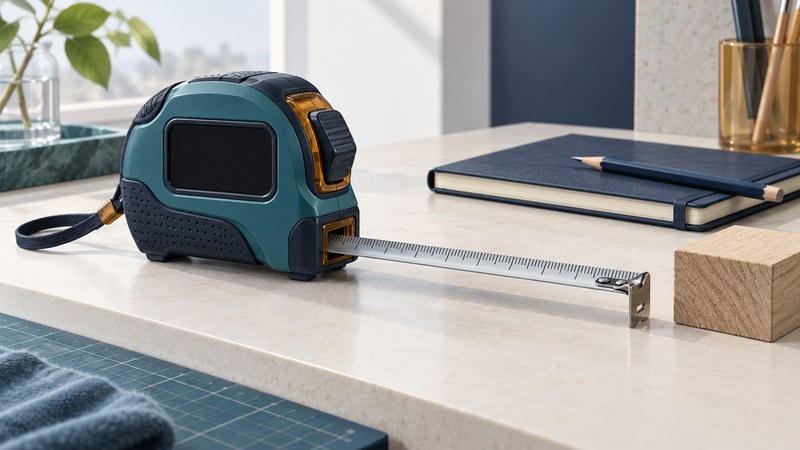
Digital Tape Measures: Check Reference, Zero and Saved Readings
Identify the reference edge and units, distinguish absolute from relative readings, and save measurements with enough context to use them correctly.
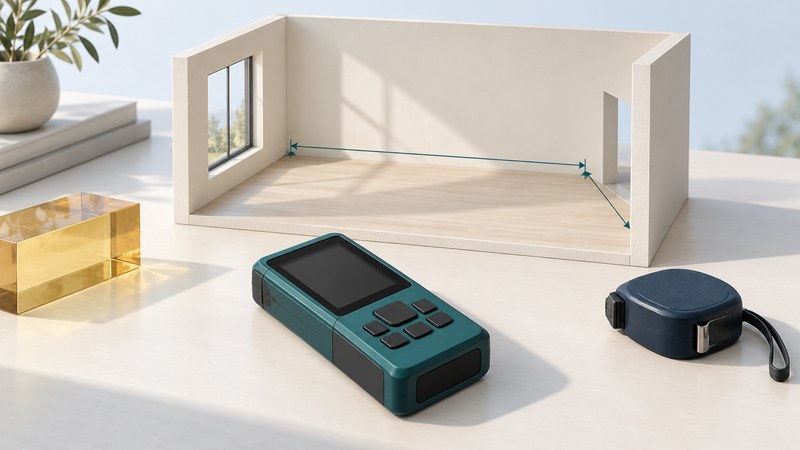
Laser Distance Measures: Get Reliable Room Dimensions
Choose the right measuring technology, check the reference edge and target, and keep room dimensions with usable units and context.
Hand tools and kits
Build a useful kit, choose pliers and multi-tools, and check torque. 10 guides.
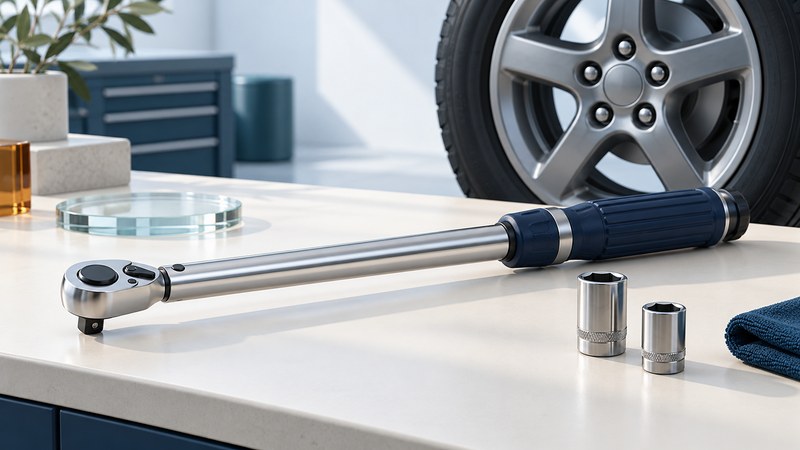
Torque Wrenches: Specifications, Units and Controlled Tightening
Distinguish tightening from removal, choose a suitable torque wrench, and record the specification before working on a fastener.
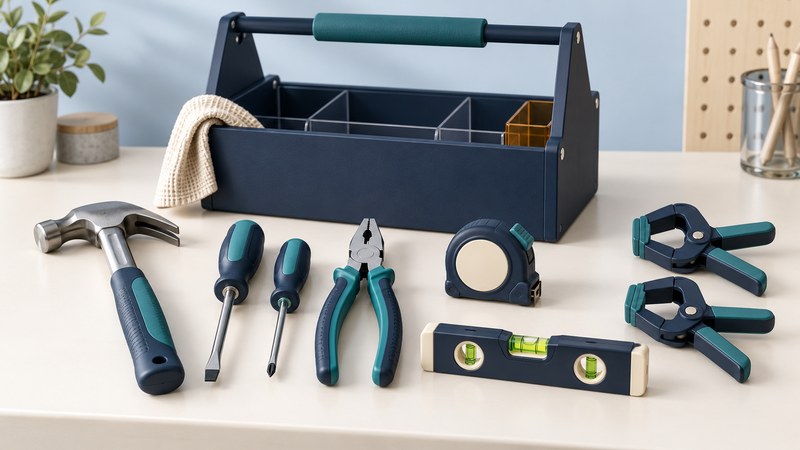
Tool Sets: Build a Useful Household Kit
Choose tools for the repairs you actually do, check sizes and fit, and expand a small kit as your projects require.
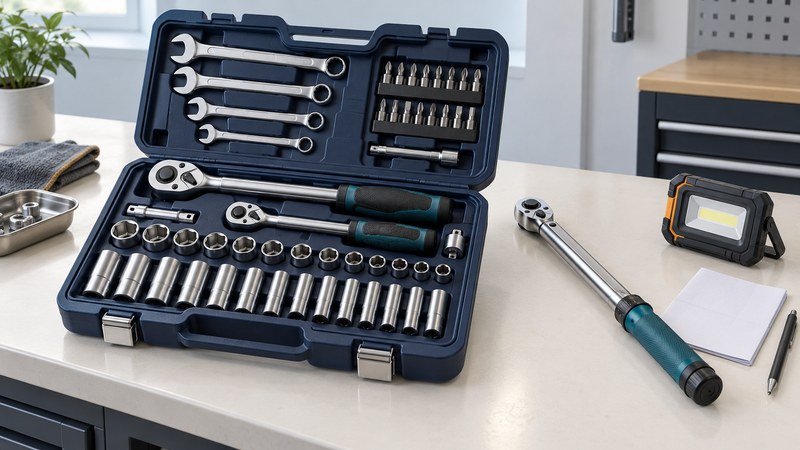
Automotive Tool Sets: Build Around the Maintenance You Do
Audit sockets, access, torque requirements and support equipment against the maintenance tasks for your vehicle.
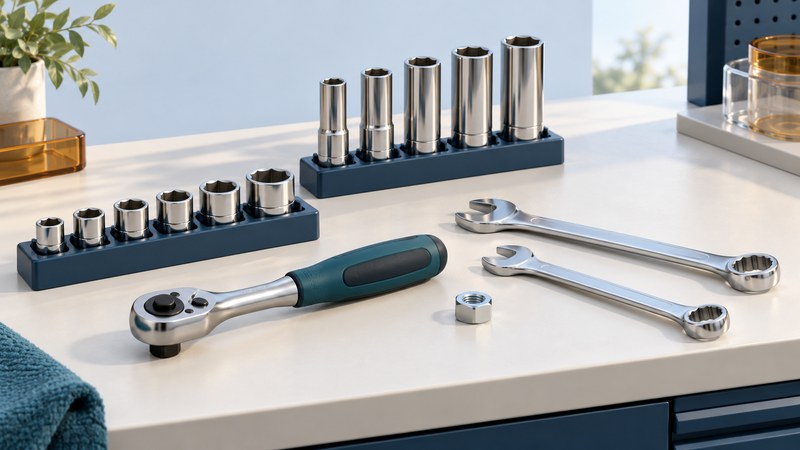
Metric Tool Sets: Choose Sizes, Drives and Useful Coverage
Audit a metric kit against actual fasteners, compare socket depths and drive sizes, and fill useful gaps before buying more pieces.
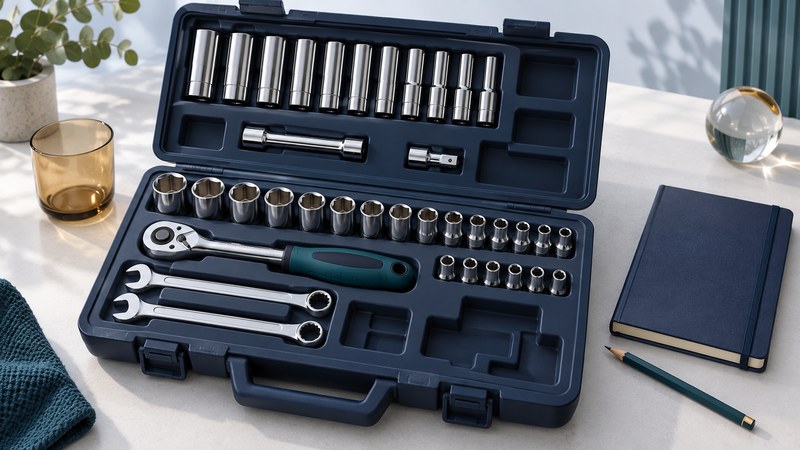
Stanley Tool Sets: Identify Your Set and Fill the Gaps
Identify a Stanley mechanics kit, audit useful socket and wrench coverage, and organize replacement and support enquiries around the actual tools.
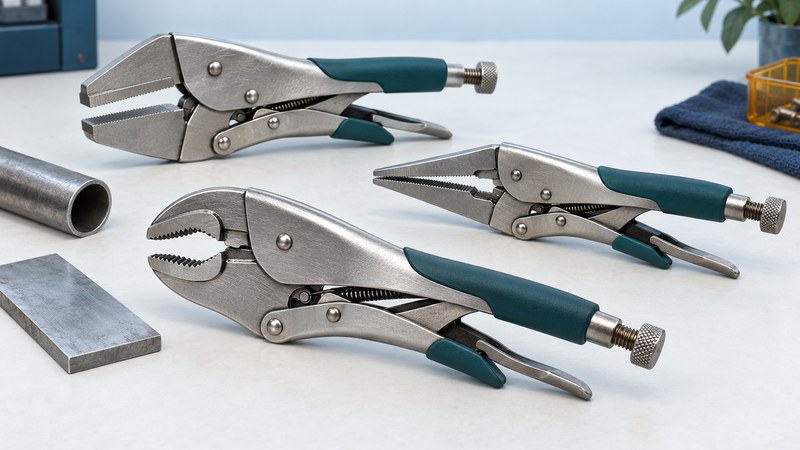
Locking Pliers: Choose the Jaw and Set the Grip
Choose a locking-plier jaw, adjust the grip and plan a controlled release before applying force.
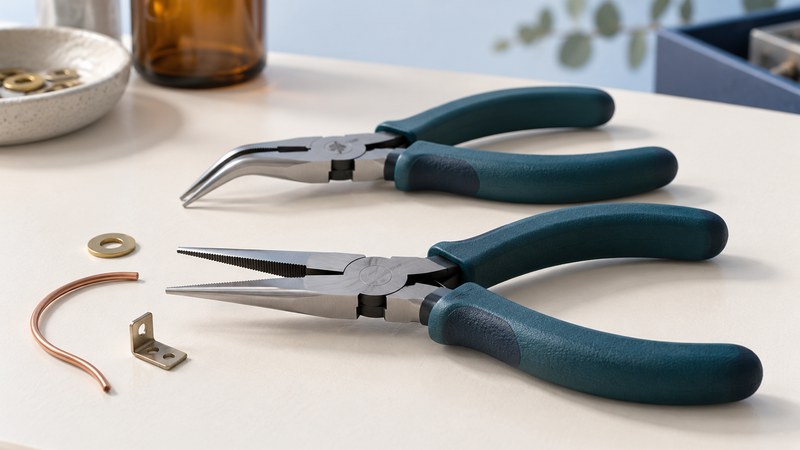
Needle-Nose Pliers: Choose Reach, Grip and Jaw Shape
Match narrow jaws to a small holding or bending task, check the contact and preserve control of the workpiece.
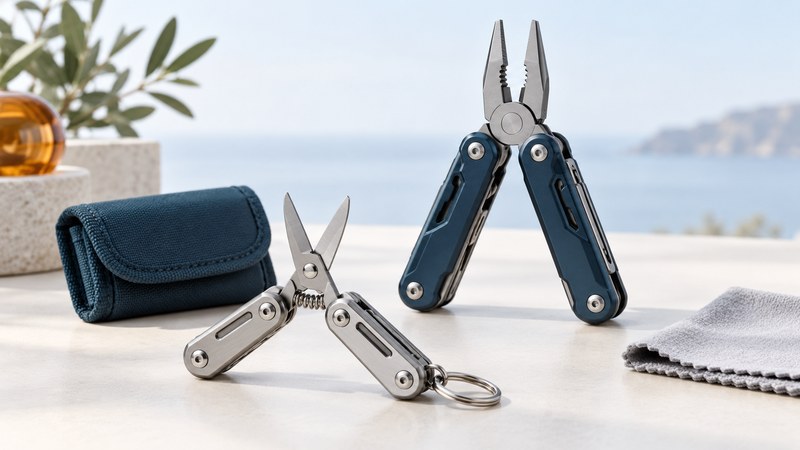
Leatherman Tools: Choose a Format for Everyday Tasks
Choose between compact scissors and larger pliers formats, check the functions you will use, and maintain the actual model.

Swiss Army Knives: Choose Functions, Size and Care
Compare three Victorinox formats, choose implements for everyday tasks, check locking and carry requirements, and plan routine care.
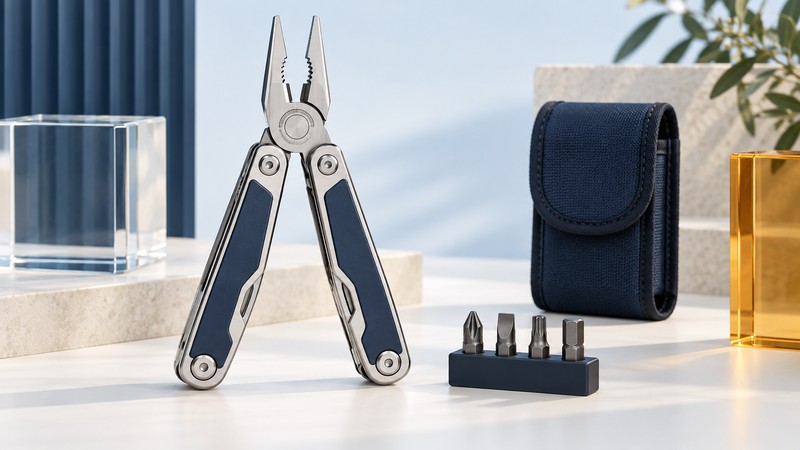
Leatherman Wave: Identify the Version and Choose Accessories
Distinguish older Wave tools, Wave Plus and Wave Alpha, then verify bits, clips, cutters and care against the exact model.
Cleaning equipment
Compare pressure-washer systems and everyday handheld cleanup. 5 guides.
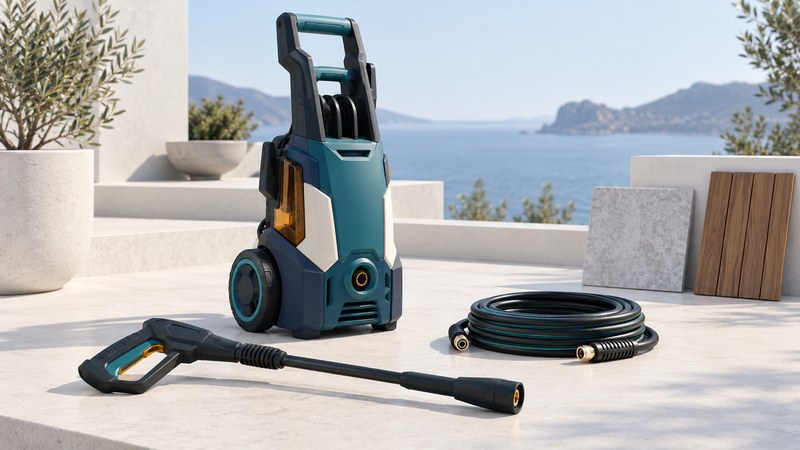
Pressure Washers: Match the Machine to the Surface
Compare pressure and flow, choose compatible accessories, and plan a controlled cleaning test before starting a large area.
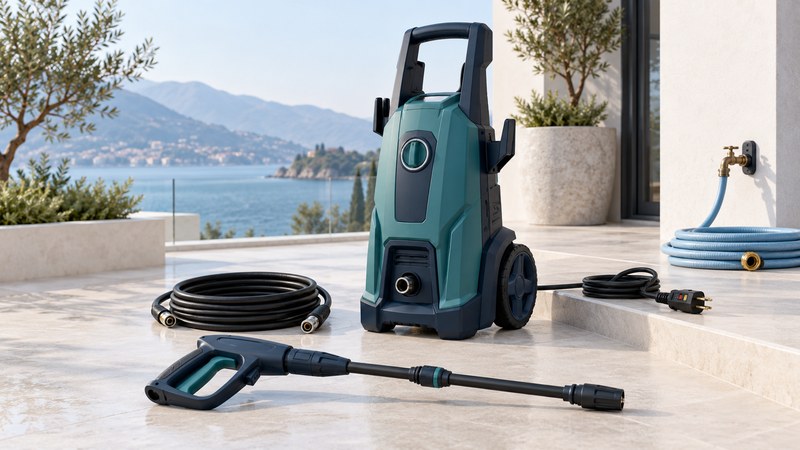
Electric Pressure Washers: Plan Power, Water and Storage
Check the electrical supply, water connection and approved accessories before using an electric pressure washer, then plan shutdown and storage.
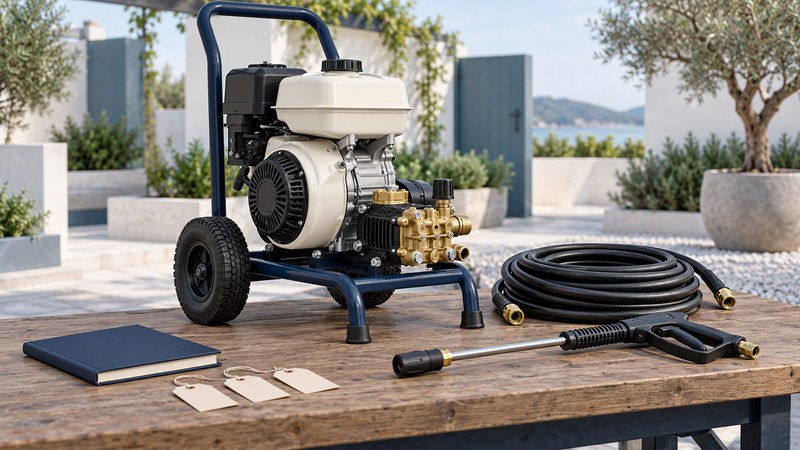
Honda-Powered Pressure Washers: Identify the Engine, Pump and Machine
Identify the complete washer, Honda engine and pump, find matching manuals, and keep maintenance and service records for each component.
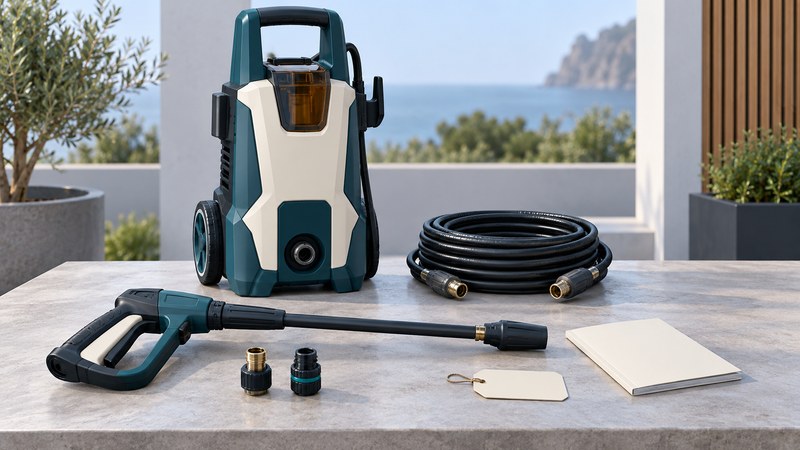
Kärcher Pressure Washers: Find Compatible Parts and Accessories
Identify the exact Kärcher washer and its connections, verify replacement parts, and use the correct manual for faults, storage and service.
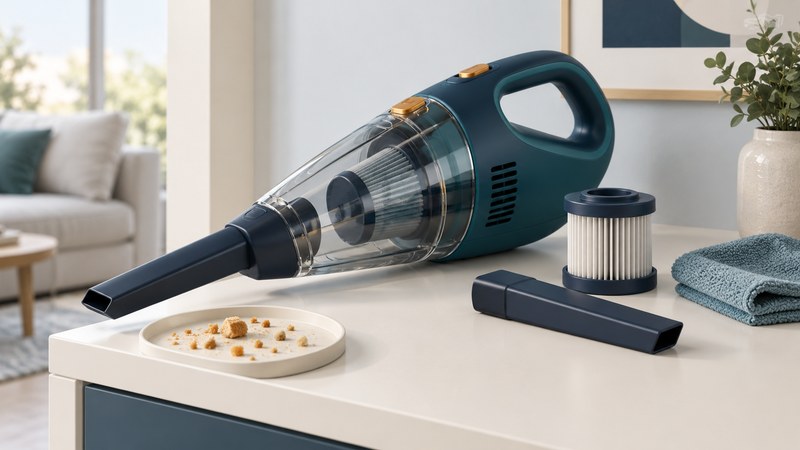
Dustbuster Handheld Vacuums: Match Pickup, Filters and Care
Choose a handheld vacuum for a small household cleanup, check permitted debris, and trace routine pickup problems before replacing parts.
Workshop setup and skills
Plan power, hearing protection, bench work and practical training. 5 guides.
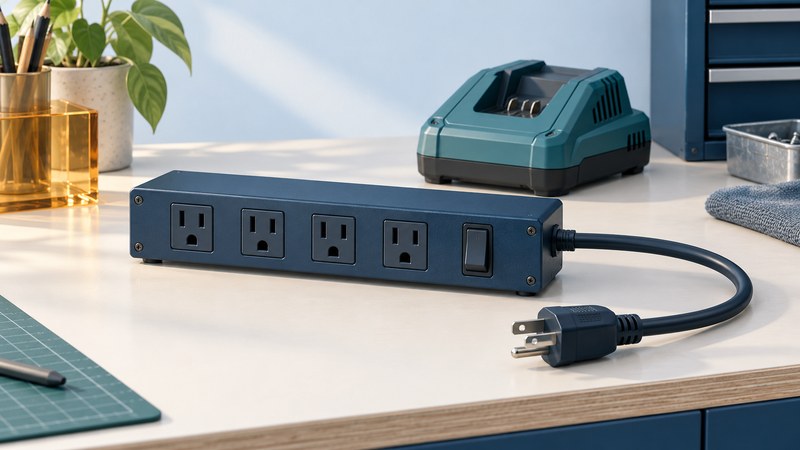
Workshop Power Strips: Check Loads and Protection
Plan a U.S. workshop charging station, distinguish surge and ground-fault protection, and check ratings before adding outlets.

Hearing Protectors: Choose, Fit and Check Them
Understand noise exposure, compare plugs and earmuffs, and use fit testing to check the protection you receive.
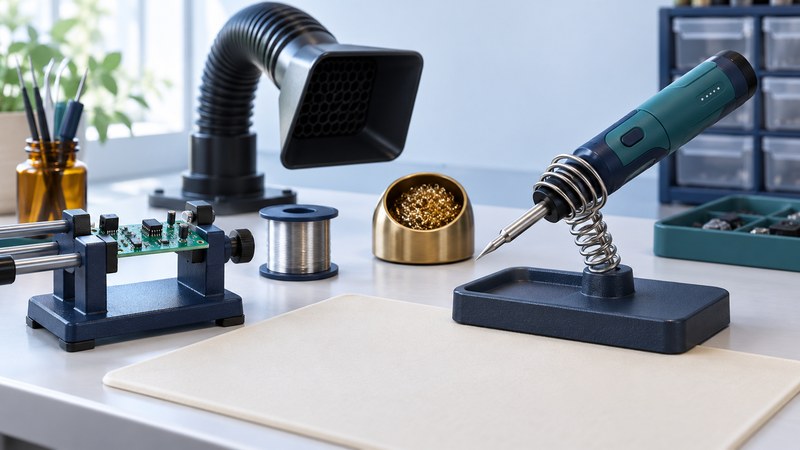
Cordless Soldering Tools: Choose Power, Tip and Task
Compare battery, externally powered and gas soldering tools, then plan tip fit, fume control and a practice joint.
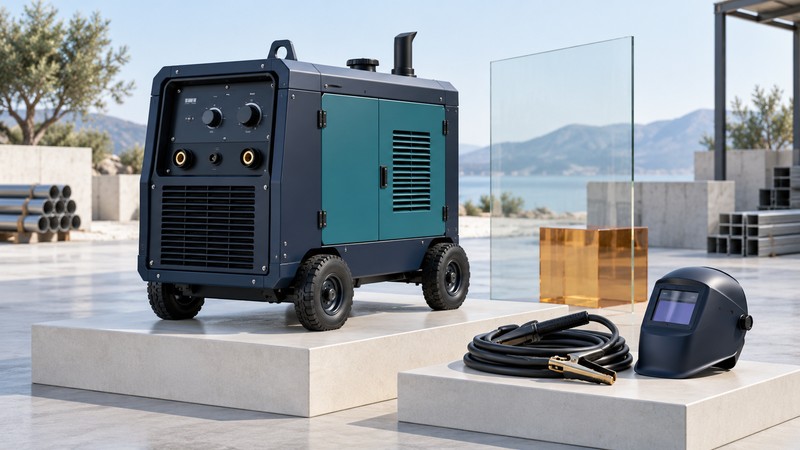
Engine-Driven Welders: Read Welding and Generator Ratings
Use Lincoln Ranger examples to distinguish process ratings, duty cycle, generator capacity and simultaneous loads before planning a welding setup.
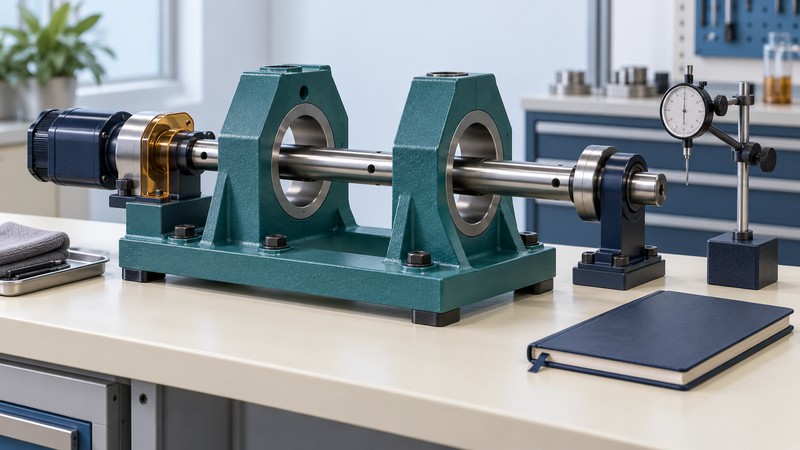
Machine Tool Training: Choose a Course and Verify Practical Skills
Compare portable machining courses by equipment, supervised practice, assessment and the skills needed for your actual on-site work.