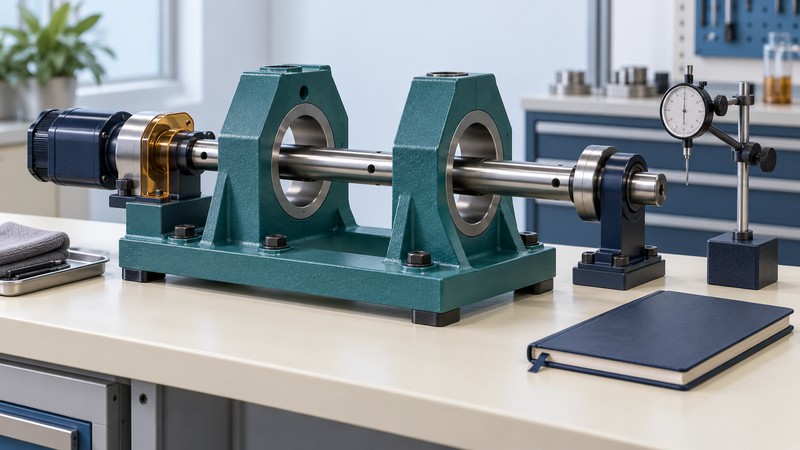
Write a task brief before searching for a course
A useful portable-machining course prepares a person to perform a defined task on identified equipment and recognize when to stop for help. Start with the work you expect afterward: line boring, flange facing, on-site milling or another specific process. The machine, mounting arrangement and required measurement skills shape the training need.
Write a one-page brief with the machine model, typical workpiece, drawing or acceptance criteria, expected operator experience and likely site conditions. A new operator may need foundations in drawings, measurement and machining before a short equipment course can be productive. An experienced machinist learning portable equipment may mainly need mounting, alignment and application practice.
For example, CLIMAX’s current training program offers standard and customized OEM training at training centers or on site. It describes hands-on instruction in safety, setup, mounting, operation, cutting tools and maintenance. Use that published scope to begin a discussion about your machine and tasks; confirm the actual syllabus and schedule directly.
Ask for evidence of individual practice
| Ask the provider | A useful answer includes |
|---|---|
| Which equipment will I use? | Exact machine models, drive systems and accessories, with differences from the equipment at your workplace. |
| What must I already know? | Required drawing, metrology and machining knowledge, plus any entry assessment. |
| How much machine time does each learner get? | Class size, machines available and a breakdown of demonstration, individual practice and assessment. |
| What will I set up myself? | Mounting, alignment, tooling and inspection tasks performed under supervision. |
| How is the result evaluated? | Observable tasks, acceptance criteria, feedback and a route for more practice or reassessment. |
| What support remains afterward? | Equipment-specific reference material, application support and the scope of any certificate. |
Ask for an example timetable and assessment sheet before booking. “Hands-on” can describe watching an instructor, taking one turn in a group or completing an entire setup yourself. Those experiences prepare learners differently. Include language, access needs and the provider’s supervision arrangements in the discussion.
Follow the work from drawing to inspection
Use the following as an editorial checklist for discussing course coverage. The instructor and employer should adapt it to the actual machine, job and safety procedures; it is not an operating sequence.
- Interpret the task: identify the surfaces to machine, the reference features and the acceptance criteria from the work documents.
- Plan and explain the setup: describe mounting and alignment choices, access limitations, energy isolation and the machine-specific hazards.
- Prepare under supervision: use the correct manual to select tooling and establish an approved setup. Explain why the choices fit the material and task.
- Observe the process: recognize an unexpected condition, stop using the specified procedure and explain whom to involve before continuing.
- Measure the result: select appropriate inspection equipment, record actual measurements and compare them with the stated criteria.
- Close the job: follow the required shutdown, removal, care and documentation procedures.
Request feedback on both the result and the reasoning. A dimension within tolerance after extensive instructor intervention records a different level of independence from an acceptable result achieved without prompting. Keep that distinction in the learner’s development record.
Example: compare two flange-facing courses
Then ask what happens when the learner cannot complete the task to the required standard. A useful answer identifies the missing skill, supervised practice needed and how it will be checked again. Budget time for that possibility as well as travel and course fees.
Read what the certificate actually establishes
Record whether the document confirms attendance, course completion or success in a named assessment. Include the machine or process, assessment conditions and date. Ask the employer or customer which evidence it accepts before paying for a credential.
In the UK, ECITB technical tests combine a knowledge test with an observed practical task. CLIMAX’s training page also identifies specific ECITB training and testing at its UK facility. These are particular programs: verify the test title, provider approval, eligibility and recognition required for your work. Avoid assuming a generic course certificate carries the same assessment scope.
After training, agree on supervised workplace tasks and a review with the responsible supervisor. Track the tasks demonstrated, the conditions encountered, the help needed and the next development step. Course performance provides evidence for that decision; workplace authorization belongs to the responsible employer.
Keep a compact training record
- Task and machine: what work the learner is preparing to perform, with model and manual revision.
- Starting point: experience, prerequisites and identified gaps.
- Course evidence: provider, syllabus, practice time, assessment criteria and result.
- Workplace follow-through: supervised tasks, feedback, restrictions and review date.
- Revisit triggers: a different machine or process, a long gap in practice, a recurring setup problem or changed customer requirements.
The best course choice is the one that fills a documented skill gap and leaves usable evidence of progress. Use the brief and these questions to compare providers on the work the learner must actually perform.
Choose your next guide
- Drill Presses — Plan supported, repeatable holes with a stationary drill.
- Engine-Driven Welders — Plan equipment, workspace and training around the intended process.
- Tape Measures — Check reference points, reading technique and measurement errors.
Browse workshop setup and skills or explore all 47 tool guides.