Set up a recording or printer, choose a display, plan a measurement, connect an interface or develop a more dependable product. These guides pair explanations with worked examples, verification methods and practical records.
Learning and programmable hardware
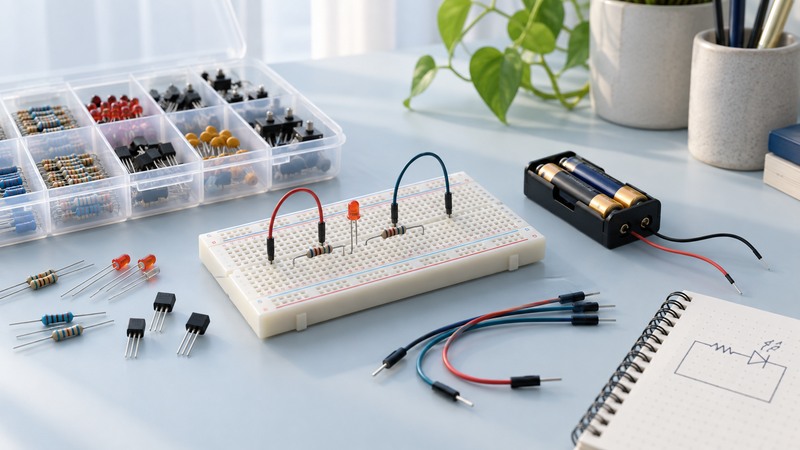
Electronic Project Kits: Choose a Kit and Finish a First Build
Choose a kit by learning goal, check the required parts and software, and complete a small circuit with a clear troubleshooting method.
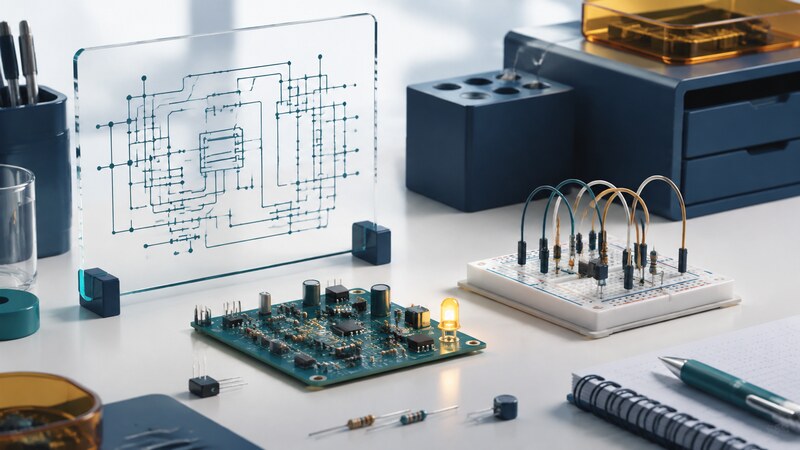
Electronic Circuits: From Idea to Working Prototype
Develop circuits through clear requirements, calculated component values, simulation, and measured results.
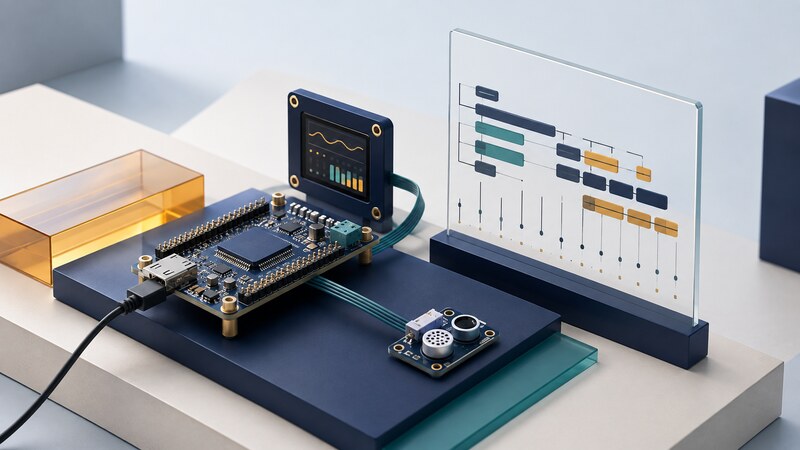
Embedded Processors: Choosing Hardware and Testing Firmware
Match processing, memory, peripherals, and power requirements to firmware that can be tested on real hardware.
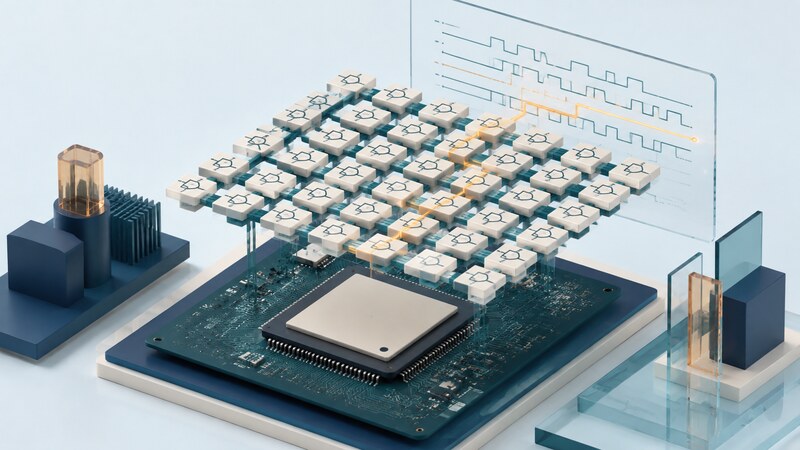
FPGAs: Programmable Logic, Simulation, and Timing
Understand configurable digital hardware and verify its behavior before relying on an FPGA implementation.
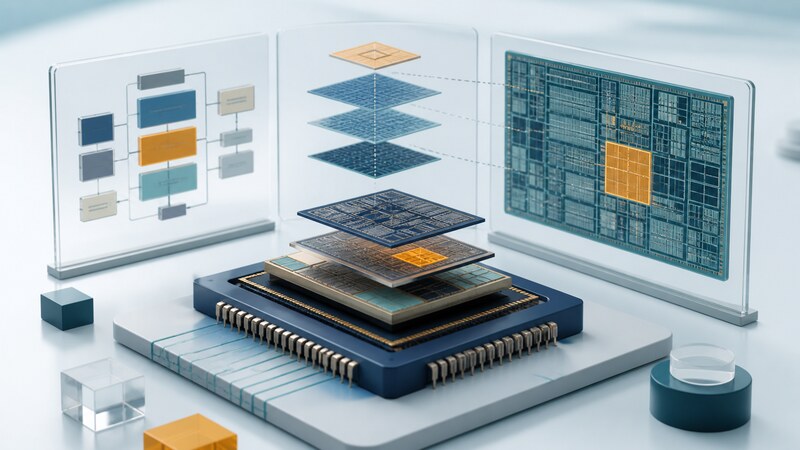
IC Design: From Specification to Silicon
Understand how digital, analog, physical, and package design turn a product requirement into a testable integrated circuit.
Recording, printing and displays
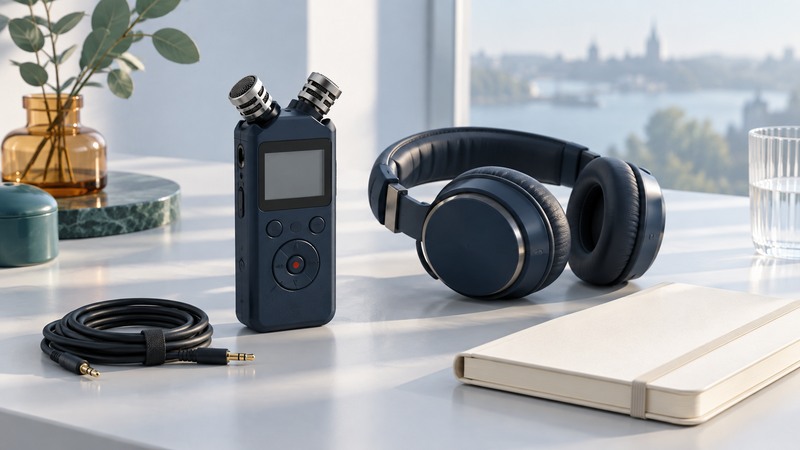
Digital Voice Recorders: Clear Speech and Usable Files
Choose a recording setup, test microphone placement, plan file storage and preserve an interview that remains useful after the session.
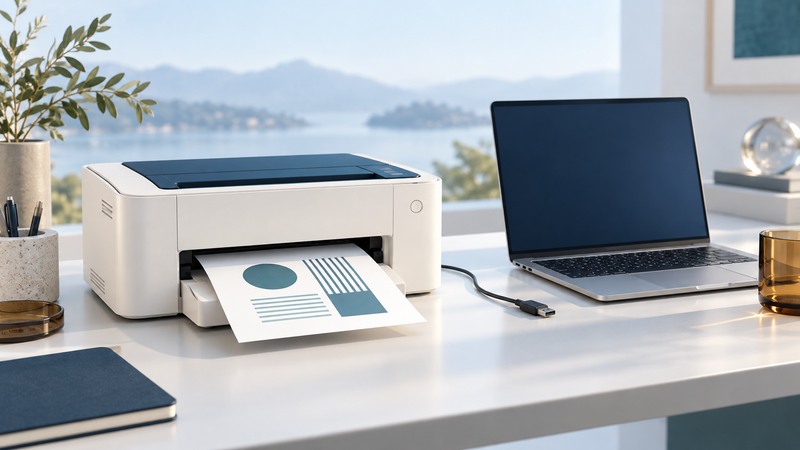
Mac Printer Setup: Compatibility and Troubleshooting
Check printer and macOS support, choose a connection, verify print and scan features, and diagnose discovery, queue and document problems.

Digital Signs: Display Choice and Reliable Updates
Compare display technologies, check viewing conditions and power, and plan content updates that remain understandable when a connection fails.

OLED Efficiency: Brightness, Power and Lifetime
Read OLED efficiency metrics with their measurement conditions, distinguish panel and system power, and compare brightness and lifetime evidence.
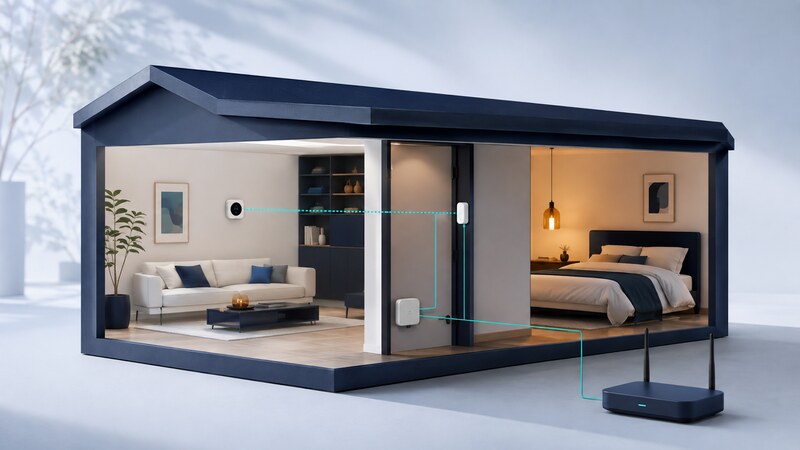
Home Automation Networking: Reliable Devices and Local Control
Build understandable smart-home connections and automations that behave predictably through everyday interruptions.
Measurement and verification
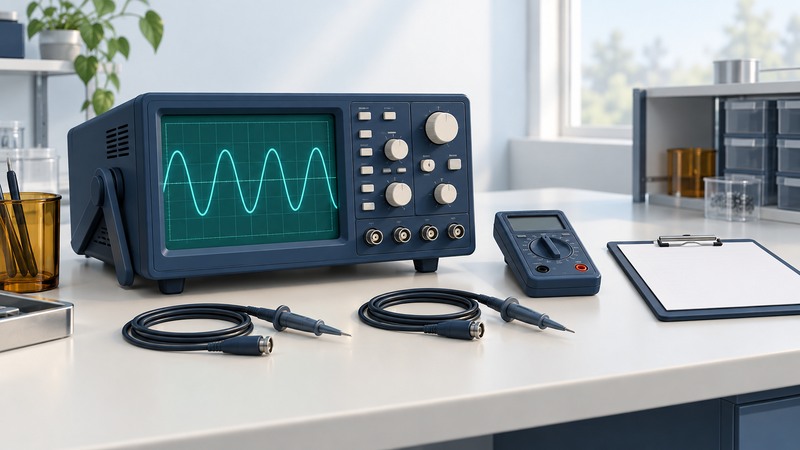
Used Test Equipment: Buying and Acceptance Checks
Compare used instruments by measurement needs, included accessories, calibration evidence, software support and a documented acceptance check.
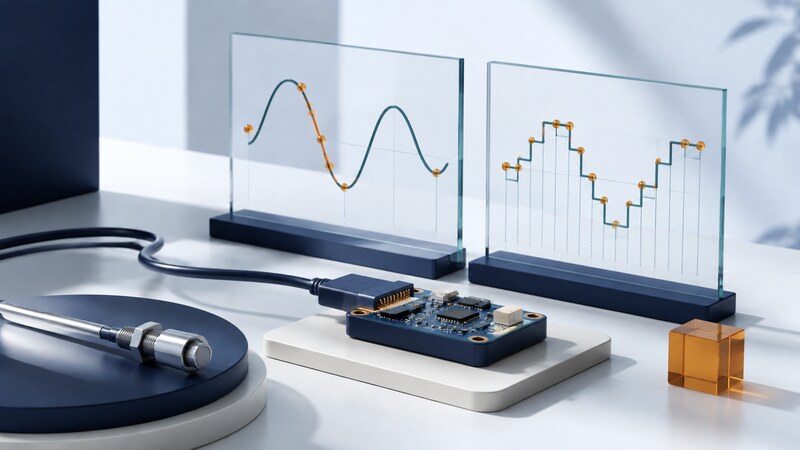
Analog-to-Digital Converters: Sampling, Accuracy, and Sensor Data
Turn analog signals into useful measurements by understanding sampling, references, noise, and conversion errors.
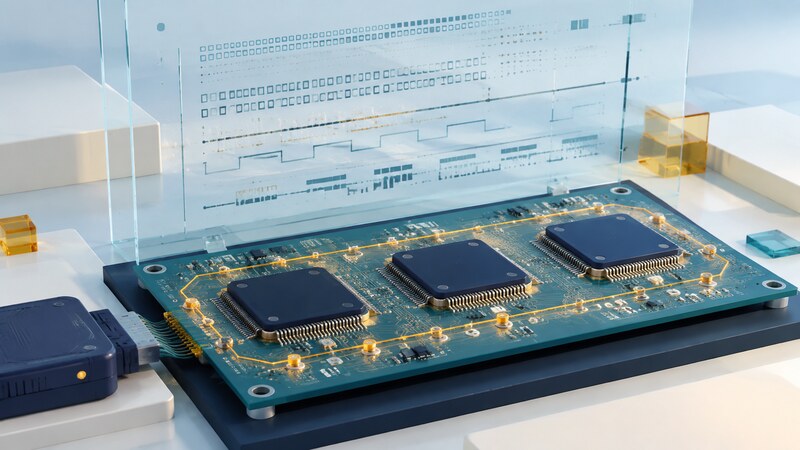
Boundary Scan: JTAG Connections, Coverage, and Diagnosis
Understand what structural board tests can reveal, what their inputs must describe, and what a passing result leaves untested.
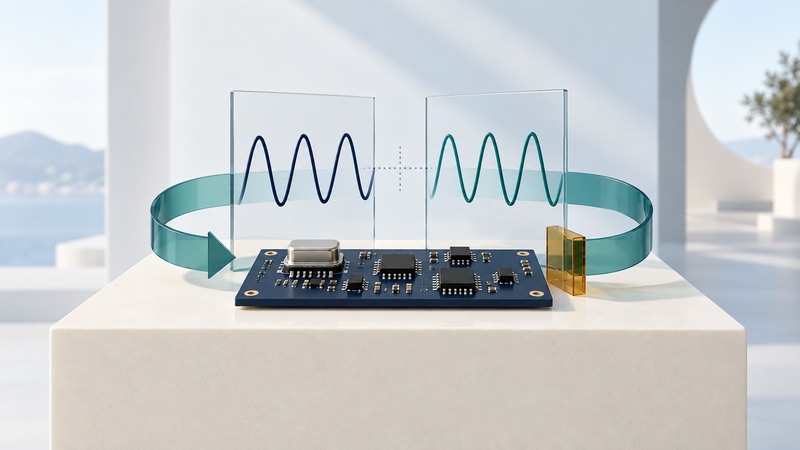
Phase-Locked Loops: Frequency Planning, Jitter and Lock Time
Follow a PLL feedback loop, calculate a frequency plan, and compare noise, timing and settling behavior with explicit measurement conditions.
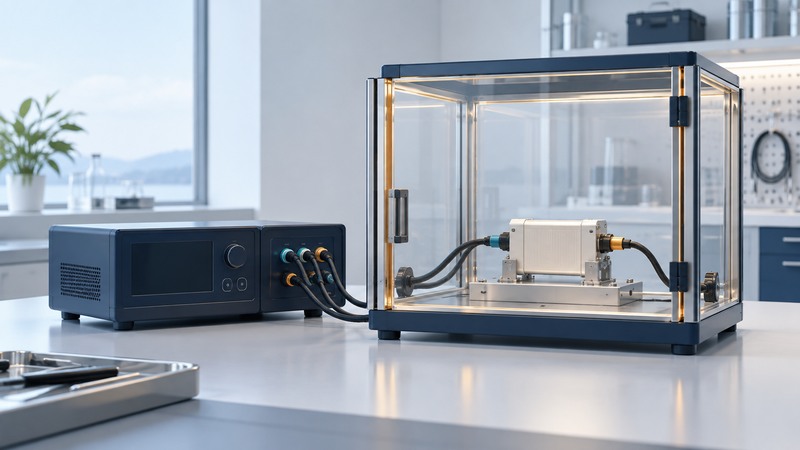
Hipot Testers: Selection, Test Plans and Verification
Distinguish electrical test purposes, define equipment and fixture requirements, and preserve evidence from a qualified, product-specific test process.
Power, isolation and protection
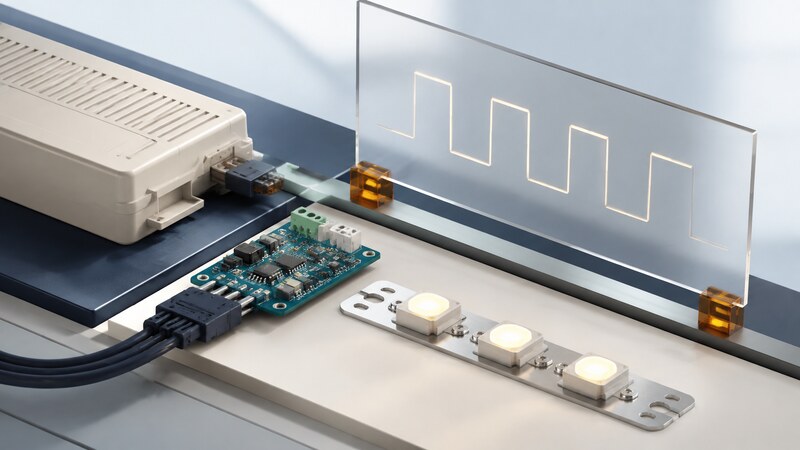
LED Drivers: Current Control, Dimming, and Heat
Select an LED drive method by supply range, string voltage, current regulation, dimming behavior, and thermal limits.
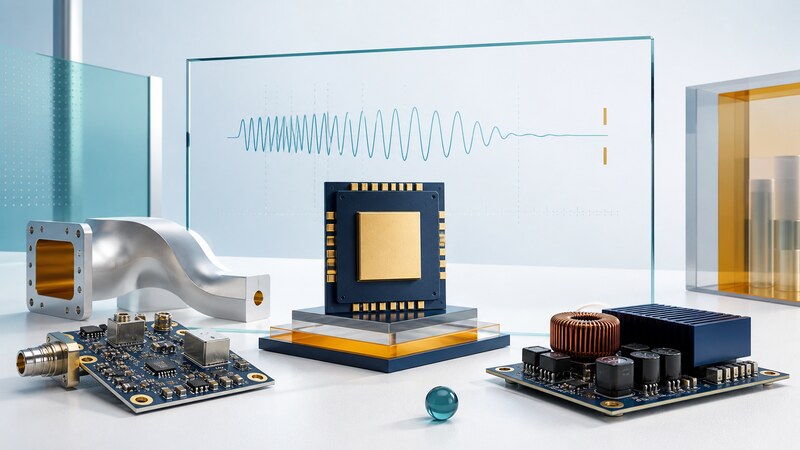
GaN Transistors: RF Amplifiers and Power Conversion
Compare the two major uses of gallium nitride through device requirements, efficiency definitions, and system-level tradeoffs.
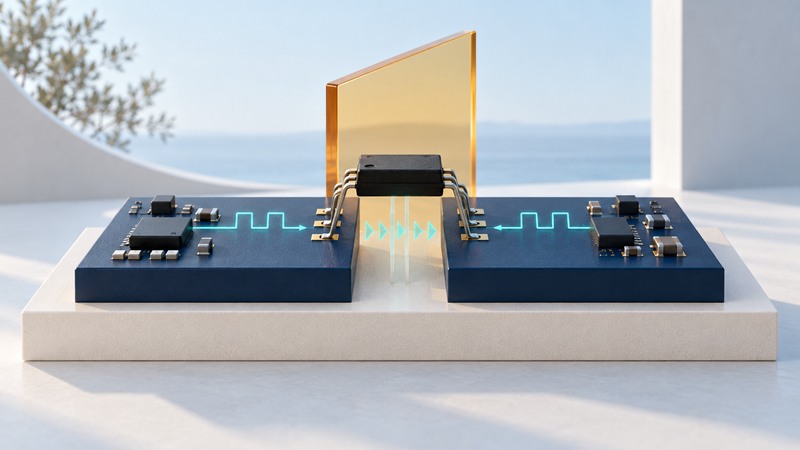
Digital Isolation: Signals, Power and Datasheet Ratings
Map an isolation barrier, choose signal directions and power arrangements, and compare voltage ratings, timing and transient immunity.
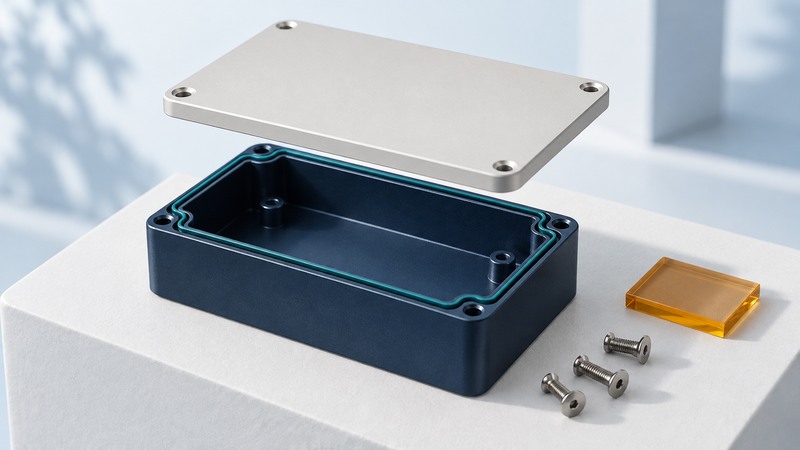
EMI Shielding Gaskets: Materials, Seams and Verification
Choose a shielding gasket with the enclosure surfaces, compression range, corrosion exposure and system test evidence in view.
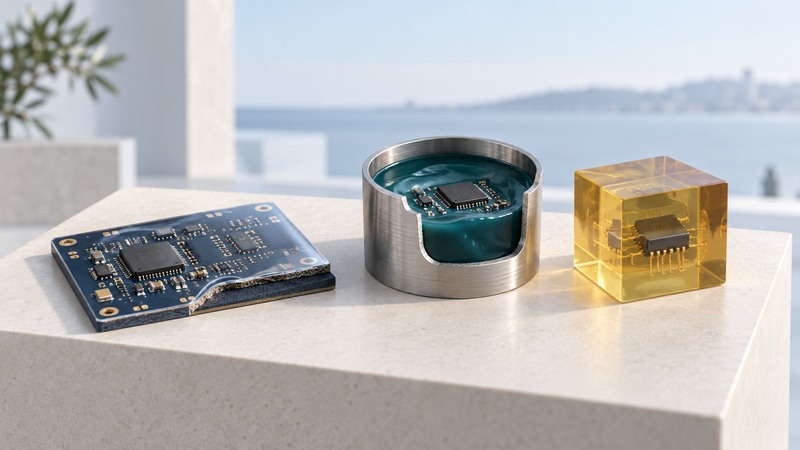
Electronics Encapsulation: Potting, Coatings and Material Tradeoffs
Compare board-protection methods by exposure, heat flow, cure stress, process control and repairability, then plan a representative material trial.
Connectors, signals and optical links
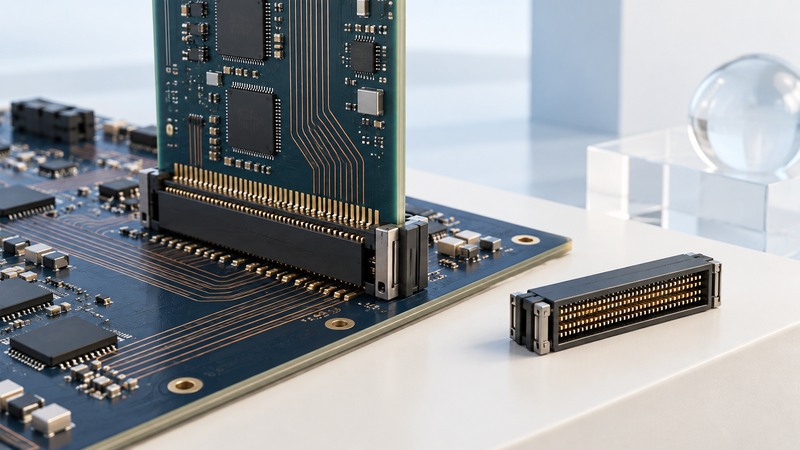
High-Speed Board Connectors: Fit and Signal Integrity
Choose a backplane or board connector by mechanical constraints, electrical paths and evidence for the complete assembled channel.
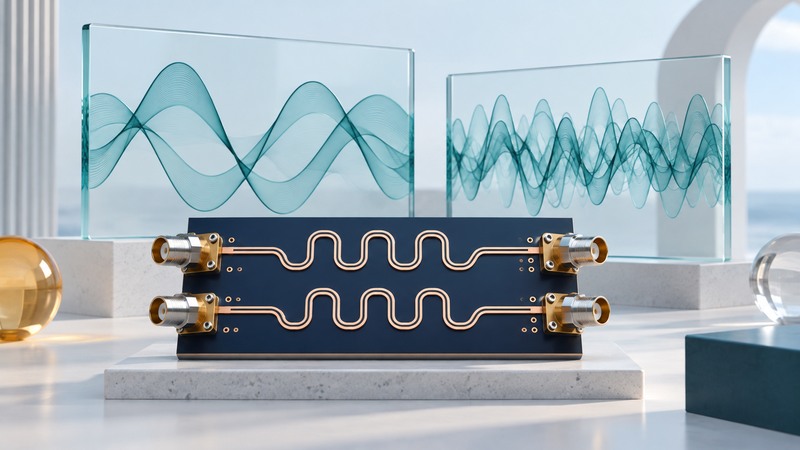
Intersymbol Interference: Eye Closure and Channel Tests
Connect channel memory to eye closure, compare controlled channel tests and interpret bit-error results with explicit assumptions.
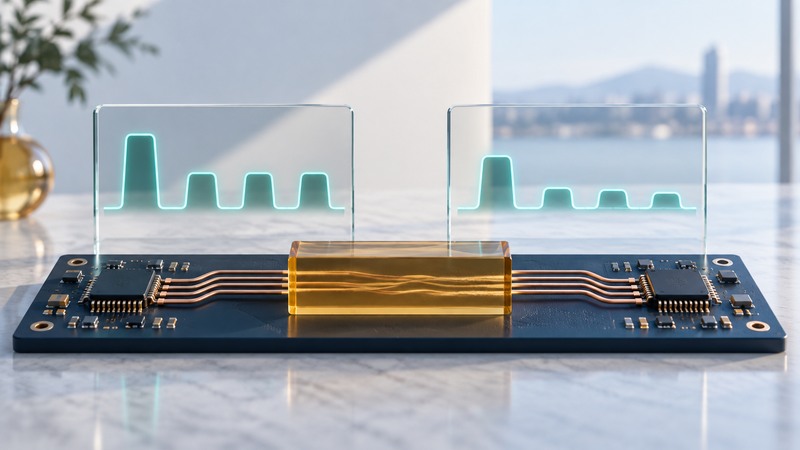
Serial-Link De-Emphasis: Waveforms, Channel Loss and Validation
Understand transition and repeated-bit amplitudes, calculate a de-emphasis ratio, and evaluate the complete transmitter-channel-receiver link.
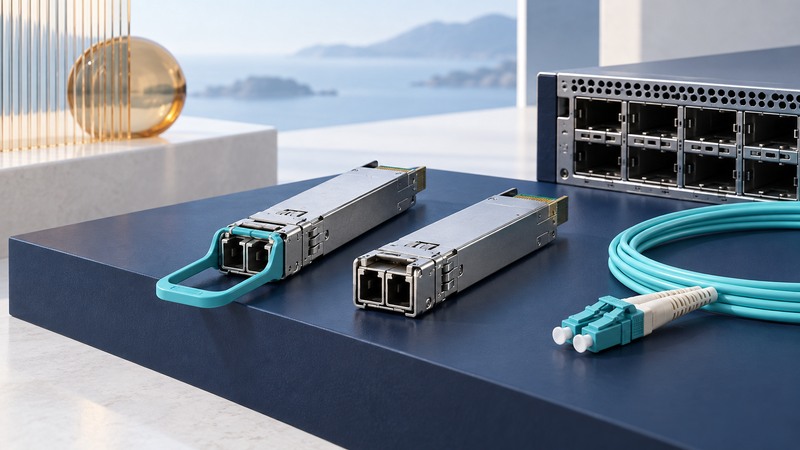
Pluggable Transceivers: Compatibility and Optical-Link Checks
Match optics to the host and fiber, calculate loss and overload margins, and use diagnostic readings to investigate a failing link.
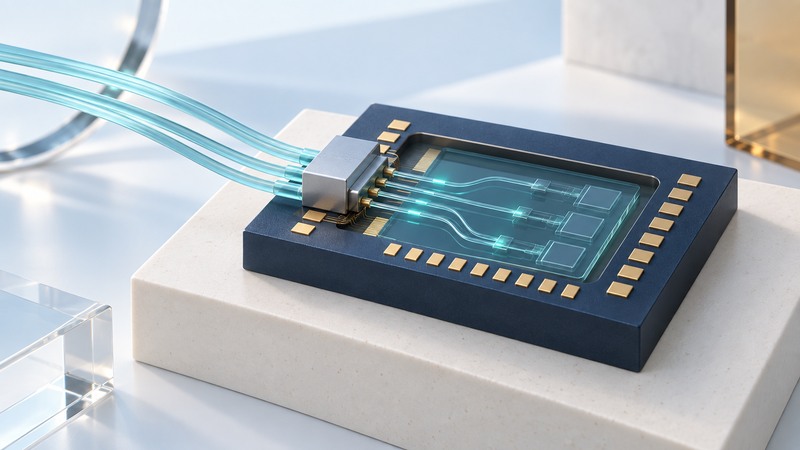
Silicon Photonics: From Chip to Optical Link
Follow light and data through a photonic chip, understand integration choices and evaluate the packaging, loss and power boundaries of an optical link.
Control and product development
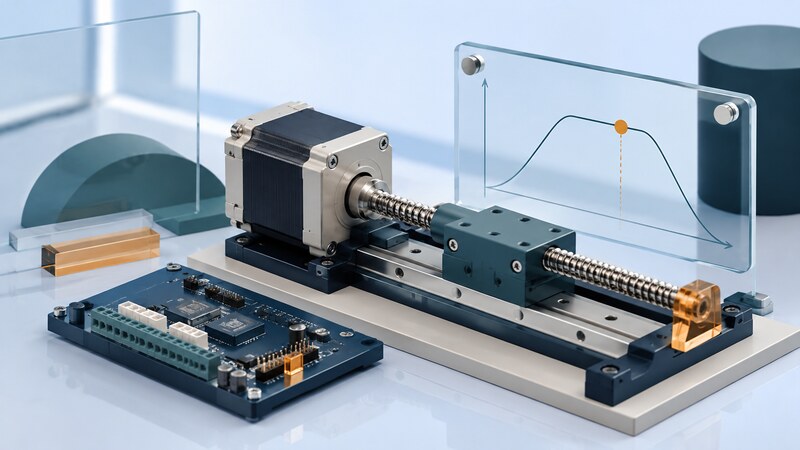
Motion Control Electronics: Motors, Drivers, and Position Feedback
Choose a motion system by its load, trajectory, feedback, and measured positioning behavior.
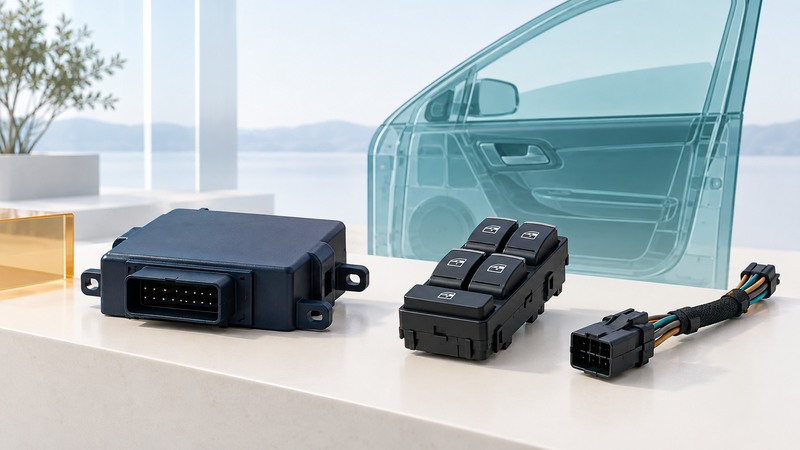
Automotive LIN Electronics: Nodes and Power States
Follow a LIN node from firmware to bus interface, compare power states and plan a controlled bench investigation of communication and wake-up behavior.
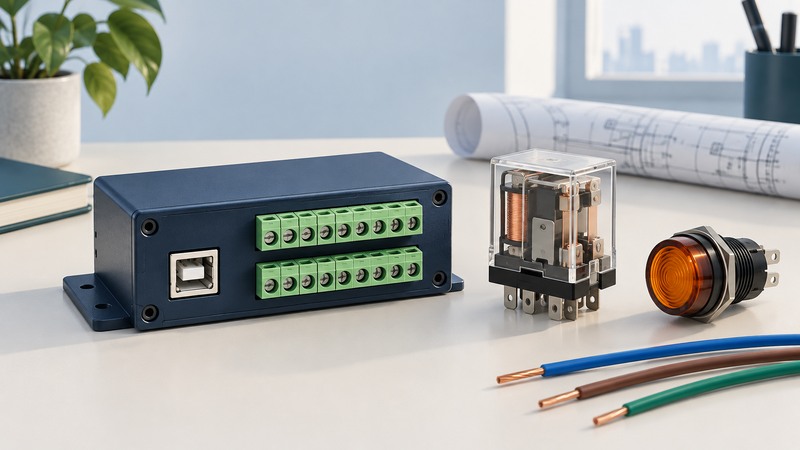
USB Relay and Digital I/O Modules: Selection and Reliable Control
Distinguish relay contacts, solid-state outputs and logic drivers; match loads and verify startup, USB interruption and recovery.
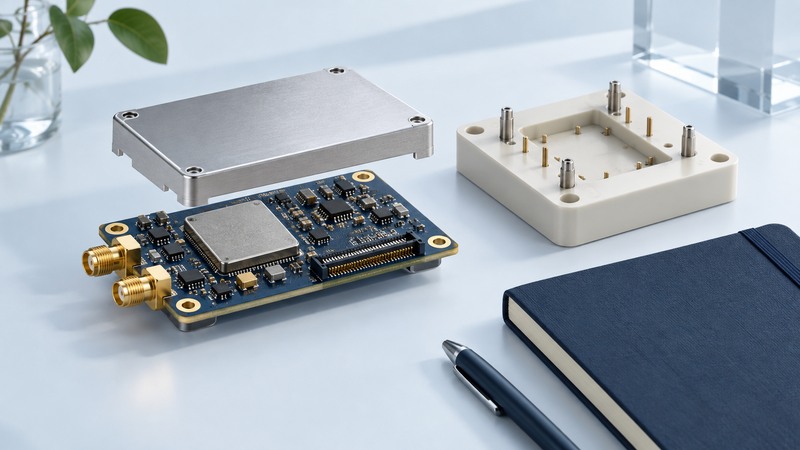
Custom Electronic Modules: Requirements and Supplier Acceptance
Decide when a custom module is justified, define interfaces and measurable requirements, and plan ownership, production tests and lifecycle support.
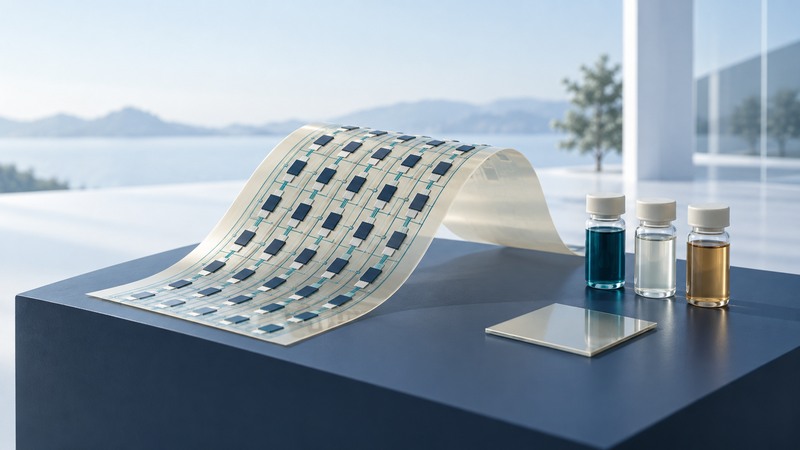
Printed Plastic Transistors: Materials and Practical Limits
Understand the layers in a printed transistor, assess process compatibility and stability, and distinguish a promising device from a manufacturable circuit.
Related topics and historical coverage
Explore earlier product announcements and research reports by subject. Dates and performance claims in these articles belong to their documented historical context.
Materials, photonics and device research
- Nanoimprint lithography — Pattern-transfer research and early nanoscale fabrication demonstrations.
- Nano CMOS — Research proposing denser programmable circuits using nanoscale elements.
- Carbon nanotubes — Background and historical work on nanotube light emission.
- IBM thin-silicon SiGe transistor — Historical mixed-signal transistor research and performance claims.
- Nanowire films — Silicon nanowire films on glass and plastic substrates.
- Spintronics — Historical research into electron spin and electronic devices.
- Magnetic switching — A magnetic-recording experiment and its reported speed limits.
- NanoCAP magnetic particles — Materials research for magnetic tape storage.
Processors and board interconnects
- Xilinx automotive FPGA — Historical EasyPath FPGA production and pricing coverage.
- HyperTransport — Background and historical chip-to-chip interconnect coverage.
- Multimedia microprocessor — The Renesas SH7785 and its infotainment applications.
- IBM Power chips — Power Architecture collaboration and processor-development plans.
Industrial interfaces and test instruments
- 10Mbit avionics PMC module — A historical higher-rate interface-module announcement.
- Optical S-parameter analyzer — Background and historical optical-component characterization equipment.
- Disposable smart cable connectors — Fine-wire connector assemblies for medical-equipment manufacturers.
Displays, recording and connected-home equipment
- Mobile electronics — A 2005 vehicle-entertainment and navigation demonstration tour.
- X10 starter kit — Historical powerline home-automation hardware and software.
- Wi-Fi touch-panel control — A Crestron wireless home-control panel announcement.
- Caller ID — A speech-recognition PC telephone answering-system announcement.
- CD-R media — Historical disc-authoring software and media promotion.
- Convergent digital entertainment — An early combined internet and disc-playback set-top device.
- Panasonic multimedia technologies — Networking and multimedia demonstrations at ITU Telecom World 2003.
- Pinnacle ShowCenter — Early home-network playback of computer media on a television.