
Use these guides to make environmental decisions, interpret scientific evidence and plan practical projects. Explore air and water, climate and ecosystems, vehicle choices, park visits and neighborhood improvements. Historical case studies help separate promotional claims from evidence of results.
Subscribe to Environment via RSS — selected guides and substantive updates, with original publication dates preserved.
Air and everyday materials

Computer Surplus: Prepare a Computer for Donation or Recycling
Choose a destination for an old computer, preserve needed files, select an appropriate erasure method and document the handoff.

Clean Air in an Apartment: Sources, Filtration and Room Planning
Build a room-by-room indoor-air plan using source control, suitable ventilation, particle filtration and realistic equipment checks.

Air Pollution: Read the AQI and Plan Your Day
Interpret US air-quality reports by checking the pollutant, location, time window and official activity guidance.

Compostable Party Plates: Choose the Plate and Its Destination
Plan event serviceware around reuse, the exact compostability certification and the receiving facility’s accepted materials.
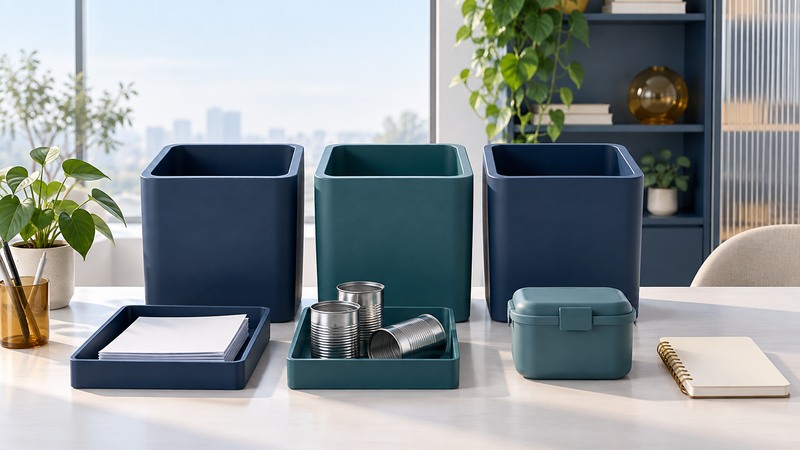
Waste Management: Build a Practical Sorting and Reduction Plan
Inventory everyday waste, confirm local destinations and organize a repeatable collection plan for a home or small office.
Water and buildings

Green Roofs: Feasibility, Maintenance and Building Decisions
Prepare a green-roof feasibility brief covering building capacity, waterproofing, drainage, plant care and project-specific costs.

Water Pollution Pictures: Read Visual Clues and Report Concerns
Understand what water photographs can show, document an observation clearly and find the right testing or reporting channel.
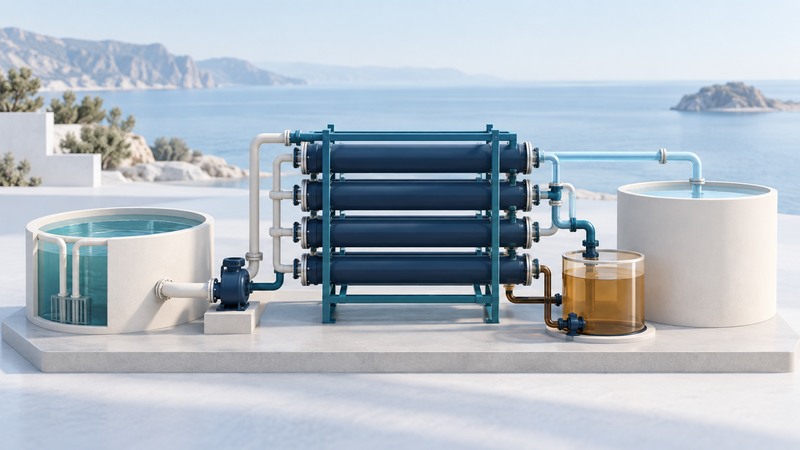
Cost of Water Desalination: Compare the Full Water Supply
Compare desalination proposals using feedwater, recovery, energy, concentrate management, financing and delivered-water volume.
Measurement, emissions and experiments

Greenhouse Gas Emissions: Build a First Organizational Inventory
Define organizational boundaries, gather activity data and calculate a transparent first emissions estimate with clear limits.
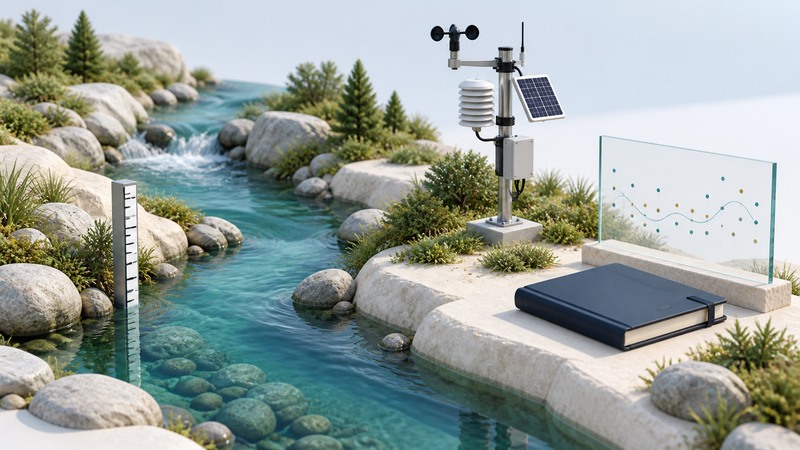
Environmental Monitoring: From a Question to Useful Evidence
Plan a monitoring project with a defined decision, measurable indicator, sampling design, quality checks and a response process.

Biosphere Arizona: Understand Biosphere 2 and Its Experiments
Understand Biosphere 2’s research systems, distinguish controlled experiments from whole-Earth claims and work through a simple water balance.
Water treatment and ecosystems
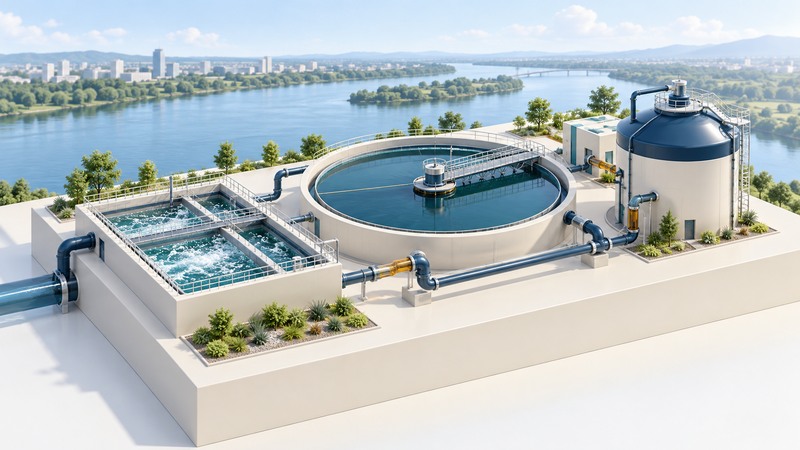
Wastewater Treatment: Follow the Water and the Solids
Understand municipal wastewater treatment stages, read performance figures and ask useful questions about discharge, reuse and residuals.

Cloud Forests: Follow Fog, Rain and Water Through the Canopy
Understand cloud-forest water pathways and assess field or conservation claims using site conditions, a water budget and appropriately scoped evidence.
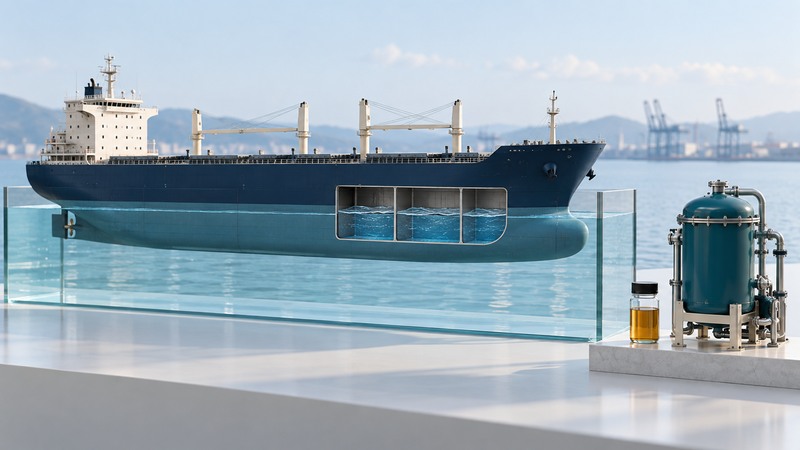
Ballast Water: Understand Transfer Risk and Treatment Evidence
Follow the ballast-water pathway, distinguish exchange from discharge standards and assess treatment claims through units, approvals and operating records.
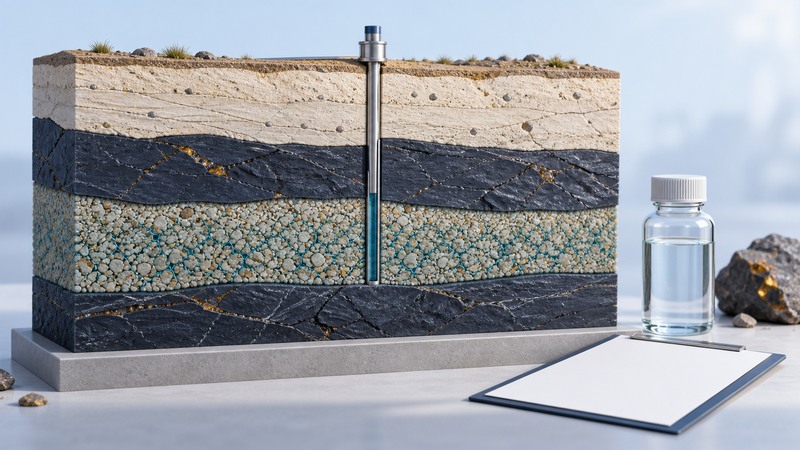
Radioactive Fossil Groundwater: Read Radionuclide Results in Context
Read groundwater radionuclide reports by isotope, unit and sample context, and identify the correct water supplier, laboratory or regulator for follow-up.
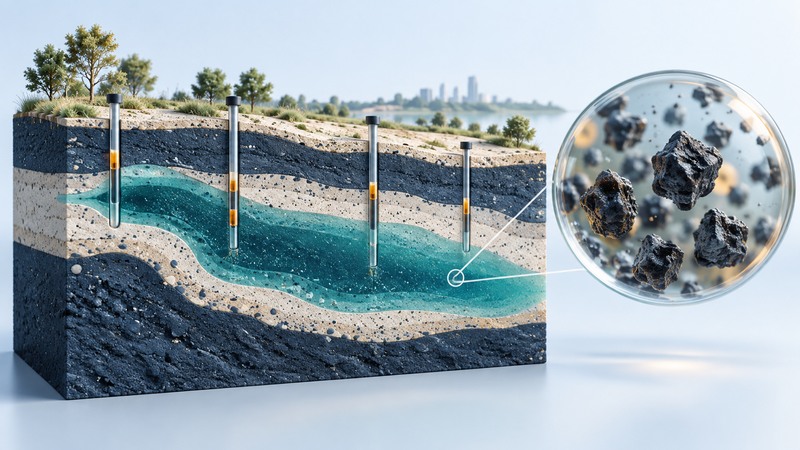
Nanoscale Iron: Evaluate Groundwater Cleanup Claims
Evaluate nanoscale zero-valent iron remediation using contaminant chemistry, site contact, field evidence and monitoring after treatment.
Vehicle choices and retirement

Car Scrap Recycling: Arrange a Documented Vehicle Handoff
Choose a vehicle retirement route, check the recipient and quote, prepare local paperwork and retain a clear transfer record.

Hybrid Cars: Understand the Types and Compare Everyday Use
Distinguish hybrids and plug-in hybrids, assess charging access and compare energy use with a driving pattern you can explain.

Green Cars: Compare the Whole Transportation Choice
Compare gasoline, hybrid, plug-in hybrid and battery-electric options using real travel needs, charging access, energy costs and emissions boundaries.

Motorcycle Emissions: Read the Pollutant, Model Year and Evidence
Understand motorcycle exhaust and fuel-vapor emissions, find model-year certification records and compare claims with matching units and conditions.
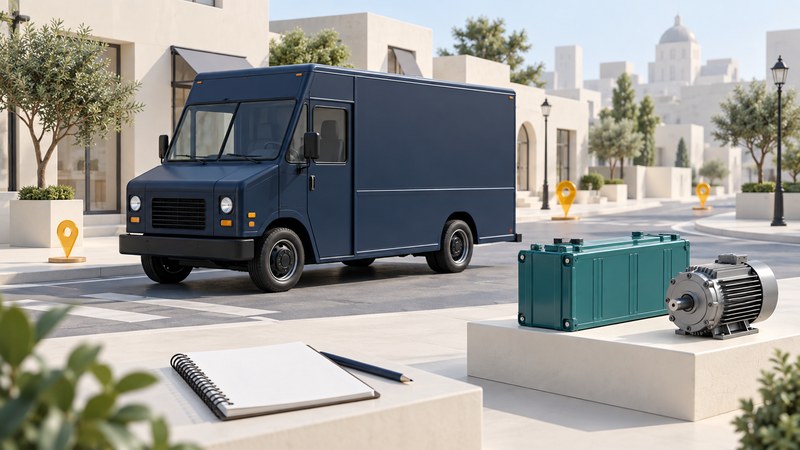
Hybrid UPS Trucks: What Delivery-Fleet Trials Can Teach Us
Read measured UPS hybrid-delivery-van results in context, compare routes and distinguish fuel-economy improvements from fuel savings.
Organizations and neighborhood projects

Environmental Sustainability: Turn a Goal into a Measurable Plan
Define an environmental priority, establish a baseline, assign an action and report its result with clear boundaries and evidence.

Green Cities: Plan a Neighborhood Greening Project
Prepare a neighborhood greening brief around resident needs, site permissions, maintenance responsibilities and useful measures of success.

Earth Day: Plan a Useful Community Action
Choose a practical Earth Day activity, confirm the host and material destinations, assign roles and document the result.
Climate and atmospheric evidence

Global Warming: Read the Evidence, Charts and Scenarios
Understand the evidence for warming, interpret temperature anomalies and compare climate scenarios with their baselines and limits intact.
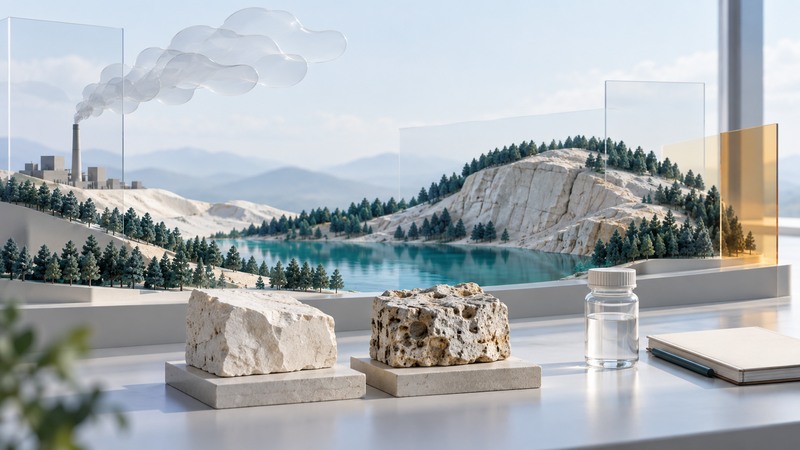
Acid Rain Pictures: Understand Deposition and Read the Evidence
Use illustrations and measurements to understand acid deposition, pH, material damage and the evidence needed to explain environmental change.

Ozone Layer Pictures: Read the Map, Units and Season
Interpret ozone maps using Dobson units, coverage, dates and seasonal context, then separate daily variation from long-term recovery.

Power Plant Emissions: Read Plant Data and Emissions Rates
Read power plant emissions totals, generation and output rates with matching units, reporting years and facility boundaries.

Tree Pollution: Understand Trees, VOCs and Ozone
Understand how tree emissions, ozone removal, shade and local atmospheric conditions fit into an urban planting decision.

Global Climate Change: Understand Impacts, Adaptation and Mitigation
Connect climate hazards with exposure and vulnerability, distinguish adaptation from mitigation and frame a useful local climate question.
Forests, rivers and park planning

Tropical Rainforest Pictures: Read Forest Layers, Edges and Habitat
Interpret tropical rainforest images using location, forest layers, edges and connectivity, with a worked patch-shape example and observation sheet.

Redwood Trees: Identify the Species and Understand the Forest
Distinguish coast redwood, giant sequoia and dawn redwood, then interpret the habitat, regeneration and forest features around a tree.
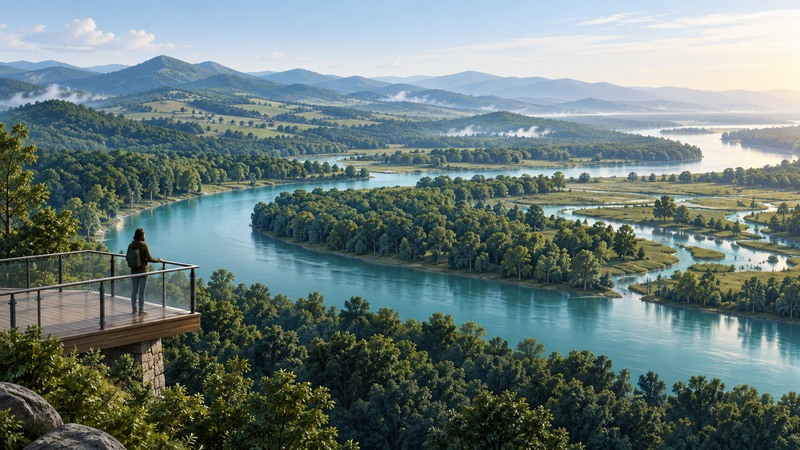
Roanoke River: Explore the Watershed and Floodplain Habitats
Locate a Roanoke River reach, understand lower-river floodplain habitat, read gauge information and prepare a responsible observation visit.

National Park Calendars: Build a Seasonal Visit and Photography Planner
Build a reusable park calendar around seasonal interests, official events, reservation windows and conditions to recheck before a visit.
Environmental technology and project assessment
10 Ways AI is Helping the Environment
Explore ten uses of environmental AI, their evidence needs, human oversight and resource costs.

10 Environmental Technologies Making a Difference
Understand environmental technologies through deployment, lifecycle and maintenance tradeoffs.
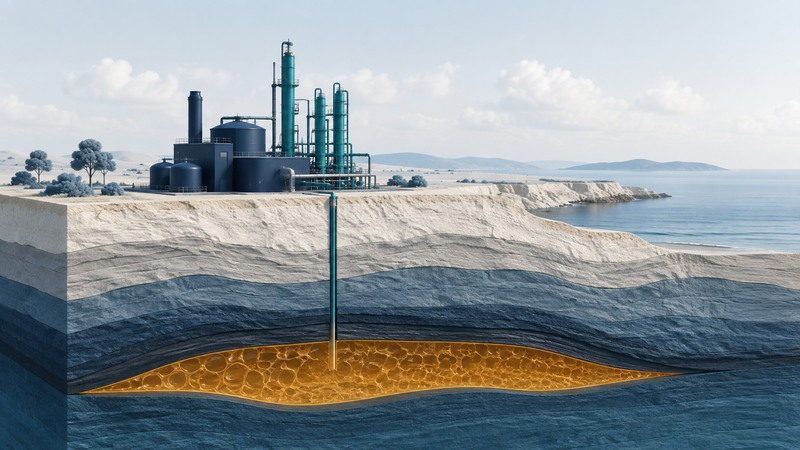
Carbon Capture and Storage: Evaluate the Whole Project
Evaluate capture, transport, storage, project evidence and net avoided emissions using a worked example.
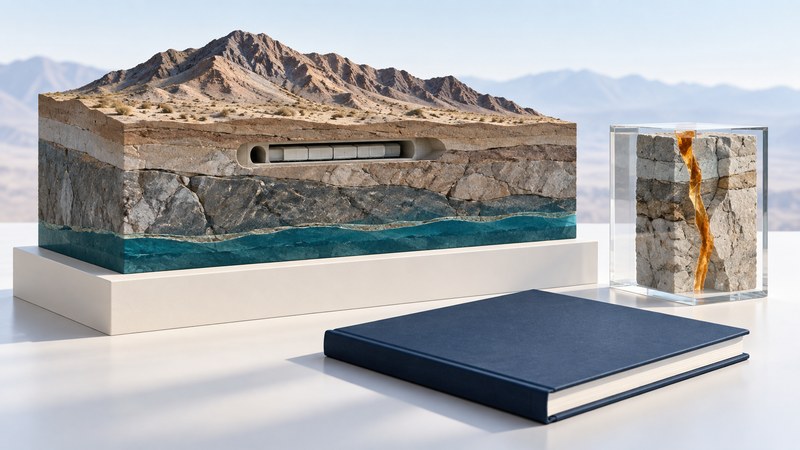
Yucca Mountain Safety: Understand the Dispute and Read the Evidence
Place the Yucca Mountain volcanic-hazard research in context and distinguish a modeled scenario, a safety review and permission to operate.
Environmental claims and campaign histories

Magicseaweed and Surfdome: The Partnership and Its Environmental Claims
Trace the Magicseaweed store partnership, distinguish it from the forecast service and evaluate the scope of its historical packaging claims.

Jennie Garth’s Green Works Tote: Reuse and Charity Claims in Context
Understand the historical Green Works tote promotion and separate a reusable-product claim, donation terms and evidence of results.