
Choose everyday foods, compare labels, plan meals, and read nutrition research with its limits in view. Start with the question you want to answer; the historical pieces explore how food and wellness have been presented in culture.
Foods and everyday meals
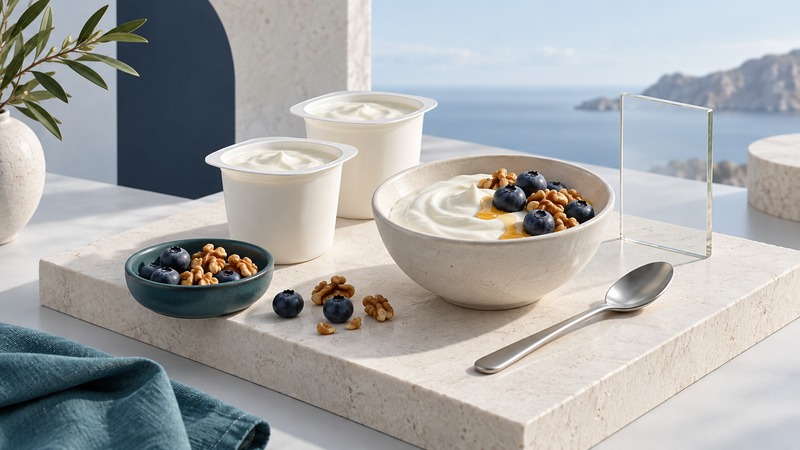
Choosing Yogurt: Nutrition Labels, Live Cultures, and Heart Health
Compare yogurt portions, protein, added sugars, calcium, and culture claims to choose a useful everyday food.
Quinoa Nutrition: Benefits, Cooking Ideas, and Gluten-Free Uses
Cook quinoa, troubleshoot its texture, and use it in salads, breakfasts, and plant-based meals.
Avocado Nutrition: Benefits, Uses, and Healthy Fats
Choose and ripen avocados, use them in meals, and understand their nutritional contribution.
Broccoli Nutrition: Benefits, Cooking Tips, and Health Notes
Choose, store, and cook broccoli while putting its health research in context.

Oranges: Nutrition, Benefits, and Uses
Use whole oranges, zest, and juice in everyday food with attention to portions and nutrition.
Pistachio Health Benefits: Heart, Antioxidant, and Blood Sugar Support
Understand pistachio nutrients, portions, storage, and cooking uses.
Oily Fish: Omega-3 Benefits, Choices, and Safety
Compare oily fish, preparation methods, omega-3 sources, and mercury considerations.
Shopping and food labels
Low-Carb Shopping: Labels, Portions, and Grocery Value
Compare packaged foods and ordinary groceries using total carbohydrate, fiber, serving size, and unit price.
Antioxidant Cereal Claims and Breakfast Nutrition
Evaluate antioxidant and immunity marketing using the cereal’s complete nutrition label.
Probiotic Wellness Bars: How to Choose a Better Bar
Assess probiotic-bar labels, strain information, storage, and the rest of the snack’s nutrition.
Eating patterns and planning

Weight Management: A Sustainable Plan and a Better Program Checklist
Set workable routine goals, evaluate weight-management support, and track progress without fixed calorie-to-pounds promises.
Low-Carb Diets: Benefits, Risks, and Healthier Ways to Cut Carbs
Consider food quality, fiber, and medication safety when reducing carbohydrates.
Mediterranean Diet Health Benefits and Food Guide
Build meals around a Mediterranean eating pattern and understand the evidence behind it.
Mediterranean Diet and Metabolic Syndrome
Connect the eating pattern with metabolic risk markers and the need for individualized care.
Raw-Food Diets: Nutrition Tradeoffs and Safer Meal Planning
Evaluate raw-food claims, protect nutritional variety, and combine raw and cooked foods in practical meals.
Nutrients and dietary needs
Zinc Nutrition: Food Sources, Daily Needs, and Supplement Safety
Find age-specific zinc needs, use food and supplement labels, and understand the limits of bone-health claims.
Calcium-Rich Foods: Benefits, Sources, and Safety
Find calcium-rich foods, compare sources, and understand absorption and supplement cautions.
Wheat Allergy, Celiac Disease, and Gluten Sensitivity: Key Differences
Distinguish wheat allergy, celiac disease, and gluten sensitivity, including testing and label questions.
Some Fat Is Good: How To Choose Healthier Fats
Distinguish types of dietary fat and consider what replaces them in a meal.
Updated Dietary Guidelines: 2025-2030 Real Food Advice
Explore the site’s overview of the 2025–2030 U.S. dietary guidelines and their scope.
Understanding nutrition research
Identify the preparation, population, comparison, and measured outcome before applying a health claim. These guides work through actual studies; the research claim checklist provides a reusable reading record.

Soy Extract and Genistein: Reading the Prostate-Cancer Evidence
Distinguish soy foods, concentrated extracts, PSA findings, and clinical outcomes before acting on supplement claims.

Black Tea and Weight: Human Evidence and Everyday Choices
Compare mouse and human tea studies, understand a temporary trial effect, and assess what changes when tea replaces another drink.

Green Tea, EGCG, and Memory: What the Studies Measure
Separate mouse studies from human trials, read primary and secondary cognitive outcomes, and distinguish tea from concentrated extracts.

Wheatgrass Juice: Nutrition, Research, and Safety
Evaluate wheatgrass claims, understand the small clinical studies, and check juice safety, serving sizes, and allergy concerns.
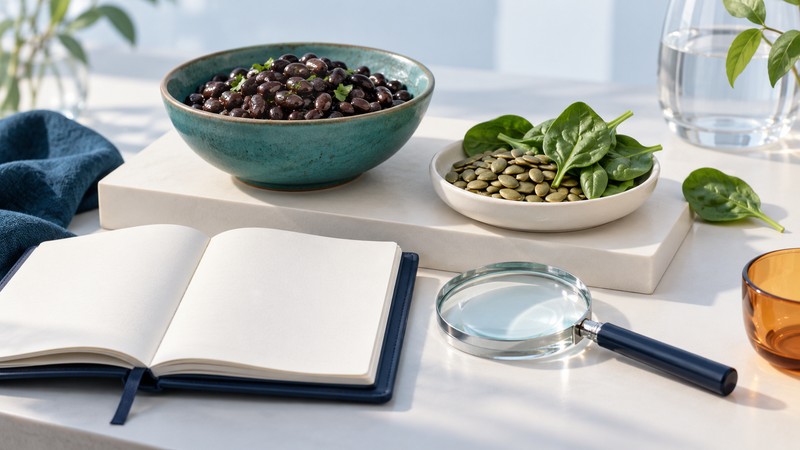
Magnesium and Pancreatic Cancer: Reading an Association
Read the magnesium cohort study, distinguish relative from absolute risk, and put food and supplement decisions in context.

Sugar Cravings and FGF21: From Hormone Signals to Human Evidence
Understand what FGF21 experiments and human associations show, and use a simple context record to examine everyday cravings.

Vitamin C and Cancer: Food, Supplements, and IV Research
Separate dietary vitamin C from oral supplements and IV research, and interpret clinical trial results in their cancer-treatment setting.

Vitamin E and MASH: Trial Results, Guidance, and Safety
Understand the vitamin E liver trial, differences between guidelines, and the questions to discuss before considering a high-dose supplement.

Walnuts and Bone Health: What Human Trials Show
Compare walnut studies, distinguish bone-turnover markers from bone density and fractures, and place walnuts within a varied diet.
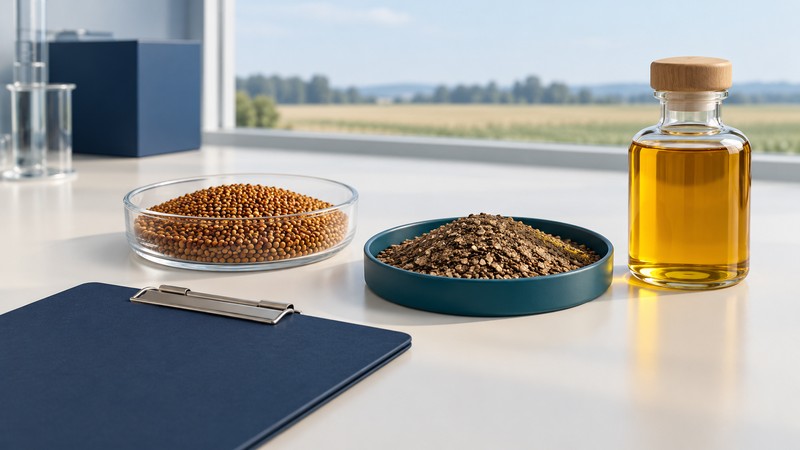
Animal nutrition
Camelina Meal in Animal Feed: Species, Processing, and Evidence
Evaluate camelina feed research using the ingredient specification, animal class, diet basis, and applicable regulatory definition.
Historical food and wellness culture

Historical context and interpretation
Yoga Mamas: Wellness Marketing, Organic Labels, and Family Food
Understand the Yoga Mama lifestyle image and make family grocery choices using clear label meanings and practical priorities.

Historical context and interpretation
The Diet by Edita Kaye: An Excerpt-Based Reading and Discussion Guide
Read the novel’s opening critically, distinguish story from health advice, and discuss food, body image, and agency.