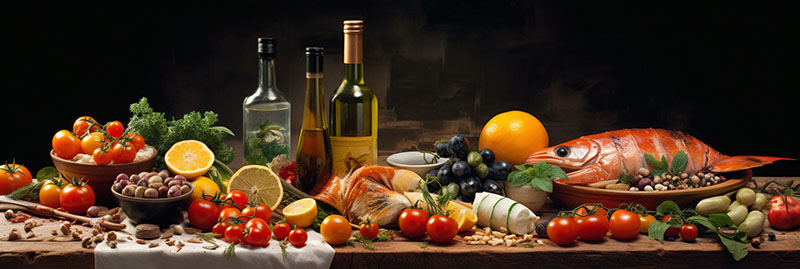
The Mediterranean diet is a flexible eating pattern inspired by traditional food cultures around the Mediterranean Sea. It emphasizes vegetables, fruits, legumes, whole grains, nuts, seeds, herbs, olive oil, and seafood, with smaller amounts of poultry, eggs, dairy, and red meat.
Its strength is not one ingredient. The pattern works because it combines minimally processed plant foods, unsaturated fats, fiber, fish, and enjoyable meals. It is less about strict rules and more about what fills the plate most often.
Core Foods
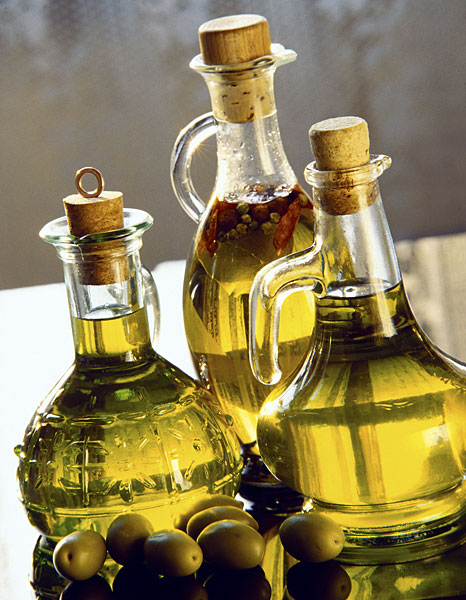
A Mediterranean-style plate usually starts with vegetables, beans or lentils, whole grains, and olive oil. Common foods include tomatoes, leafy greens, peppers, eggplant, zucchini, onions, garlic, chickpeas, lentils, white beans, oats, barley, farro, whole-grain bread, walnuts, almonds, pistachios, citrus, grapes, berries, yogurt, sardines, salmon, tuna, and shellfish.
Olive oil is the signature fat, especially extra-virgin olive oil. It supplies mostly monounsaturated fat along with polyphenols that contribute flavor and may support cardiovascular health. Nuts and seeds add additional unsaturated fats, minerals, and fiber.
Heart Health
The Mediterranean diet is best known for heart health. Research links higher adherence with better cholesterol patterns, lower blood pressure, improved blood vessel function, and lower rates of major cardiovascular events in some studies. The benefits appear strongest when the diet replaces refined carbohydrates, processed meats, butter-heavy foods, and high-sugar snacks.
The pattern aligns well with American Heart Association guidance because it emphasizes vegetables, fruits, whole grains, legumes, fish, nuts, and liquid plant oils while limiting added sugars, sodium-heavy packaged foods, and saturated fat from fatty meats and full-fat dairy.
Blood Sugar And Weight
Mediterranean-style eating can support blood sugar control because it pairs carbohydrates with fiber, protein, and healthy fats. Beans, lentils, whole grains, vegetables, fruit, yogurt, nuts, and fish tend to digest more steadily than sugary drinks, refined grains, and sweets.
It is not automatically a weight-loss diet, but it can help with weight management because meals are satisfying and built from nutrient-dense foods. Portions still matter, especially with olive oil, nuts, cheese, bread, wine, and desserts. The goal is a pattern that is enjoyable enough to keep.
Brain And Aging
Observational studies have linked Mediterranean-style eating with healthier aging and lower risk of cognitive decline. The evidence is not a promise against Alzheimer's disease or Parkinson's disease, but it is consistent with the broader idea that heart-healthy habits are also brain-supportive habits.
Several features may matter: unsaturated fats, fish, polyphenol-rich plant foods, lower intake of highly processed foods, and better control of blood pressure, cholesterol, and blood sugar. Brain health is shaped by the whole lifestyle, including sleep, exercise, social connection, hearing care, and medical risk management.
Cancer And Inflammation
Higher adherence to Mediterranean-style diets is often associated with lower risk of some cancers and inflammatory conditions, but cancer risk is complex. No eating pattern can guarantee prevention. The most reliable message is that Mediterranean-style eating supports a generally healthy pattern rich in fiber, plant foods, and unsaturated fats.
For cancer-risk reduction, major organizations also emphasize not smoking, maintaining a healthy weight, staying active, limiting alcohol, and reducing processed meat. A Mediterranean-style diet fits those recommendations well when it is centered on whole plant foods rather than refined grains and large portions of alcohol or sweets.
How To Start
Start with one meal. Build a bowl with whole grains, chickpeas, greens, tomatoes, cucumber, olive oil, lemon, herbs, and fish or tofu. Or make a dinner of roasted vegetables, white beans, whole-grain bread, and a yogurt sauce. Breakfast can be oats with fruit and nuts, or plain yogurt with berries and seeds.
Small swaps add up: olive oil instead of butter, beans instead of some meat, fruit instead of dessert most nights, nuts instead of chips, fish once or twice a week, and vegetables at lunch and dinner. Herbs, garlic, citrus, vinegar, and spices keep the food lively without relying only on salt.
What To Limit
Mediterranean-style eating does not require perfection, but it does limit foods that crowd out the pattern: processed meats, large portions of red meat, refined grains, sugary drinks, sweets, and heavily processed snack foods. Wine is sometimes included in traditional descriptions, but alcohol is optional and not recommended as a health strategy.
People with diabetes, kidney disease, heart failure, food allergies, swallowing problems, or medication interactions may need individualized guidance. The pattern is flexible enough to adapt, but clinical needs should come first.
Final Note
The Mediterranean diet is valuable because it is both healthy and livable. It offers a practical way to eat more plants, more fiber, more unsaturated fats, and more flavorful meals while reducing foods linked with poorer long-term health. Its benefits come from the whole pattern, repeated meal after meal.