Calcium is the body's most abundant mineral. Most of it is stored in bones and teeth, where it helps provide structure and strength, but a small amount circulates in blood and tissues where it supports muscle contraction, nerve signaling, blood clotting, hormone release, and a steady heartbeat.
Because blood calcium is tightly regulated, low intake does not always show up right away as a simple symptom. Instead, the body can draw calcium from bone over time. That is why steady calcium intake, adequate vitamin D, strength-building activity, and enough overall nutrition matter across the lifespan.
Dairy Products

Dairy foods are among the most familiar calcium sources because milk, yogurt, and cheese naturally provide calcium in meaningful amounts. They also supply protein, phosphorus, potassium, and, when fortified, vitamin D. Plain yogurt, kefir, milk, cottage cheese, and moderate portions of cheese can all fit into a calcium-rich pattern.
People who use dairy do not need to rely on only one food. Yogurt with fruit, milk in oatmeal, cheese in a bean-and-vegetable meal, or kefir in a smoothie can each contribute. Choosing unsweetened or lower-sugar options helps keep the nutrient value without turning calcium foods into dessert by default.
Leafy Green Vegetables

Leafy greens can add calcium, but absorption varies. Kale, bok choy, turnip greens, mustard greens, and broccoli are useful choices because their calcium is more available. Spinach and beet greens contain calcium too, but they are high in oxalates, compounds that bind calcium and make much of it harder to absorb.
That does not make spinach unhealthy; it simply means spinach should not be counted as a primary calcium source. A varied plate of greens, beans, fortified foods, dairy or dairy alternatives, nuts, seeds, and fish with bones gives the body more ways to meet its needs.
Fortified Foods
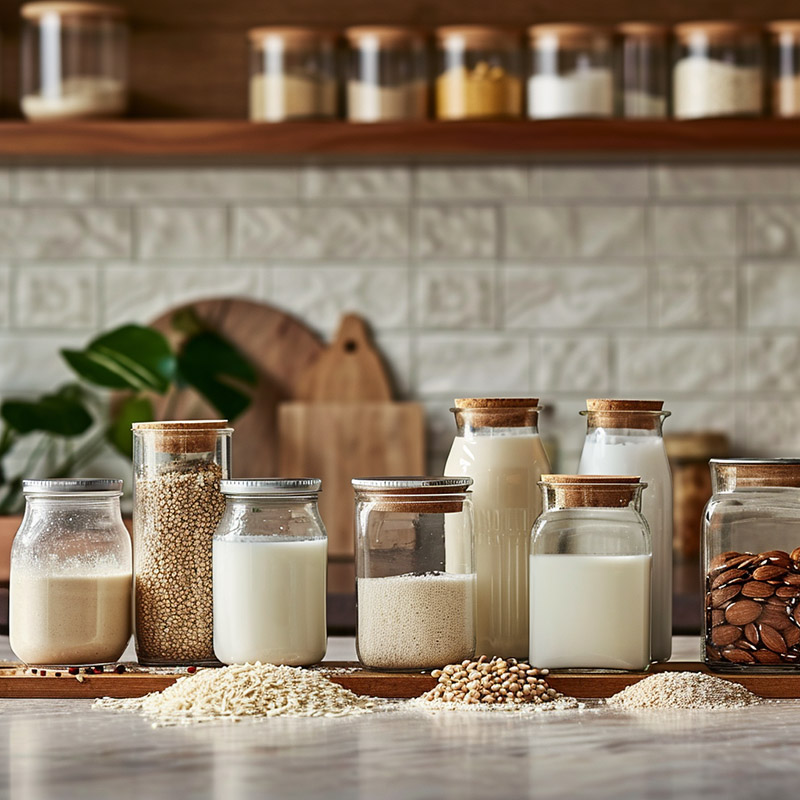
Fortified foods are especially helpful for people who avoid dairy, have lactose intolerance, or follow a vegan diet. Many plant milks, soy yogurts, orange juices, cereals, and breakfast foods have calcium added. Fortified soy milk is often the closest dairy alternative nutritionally because it can provide protein along with calcium and vitamin D.
Labels matter. Calcium content can vary widely between brands, and some added calcium settles at the bottom of cartons. Shake fortified plant milks before pouring, and check the Nutrition Facts label for calcium, vitamin D, protein, and added sugars.
Fish with Edible Bones

Canned sardines and canned salmon with bones are concentrated calcium sources because the soft bones are edible. They also provide protein and, depending on the fish, omega-3 fats and vitamin D. Mashed into salads, mixed with herbs and lemon, or served on whole-grain toast, they can be an efficient calcium-rich meal.
The phrase "with bones" is important. Boneless canned fish does not provide the same calcium benefit. People watching sodium intake should compare labels, rinse when appropriate, and balance canned fish with lower-sodium foods during the day.
Nuts and Seeds
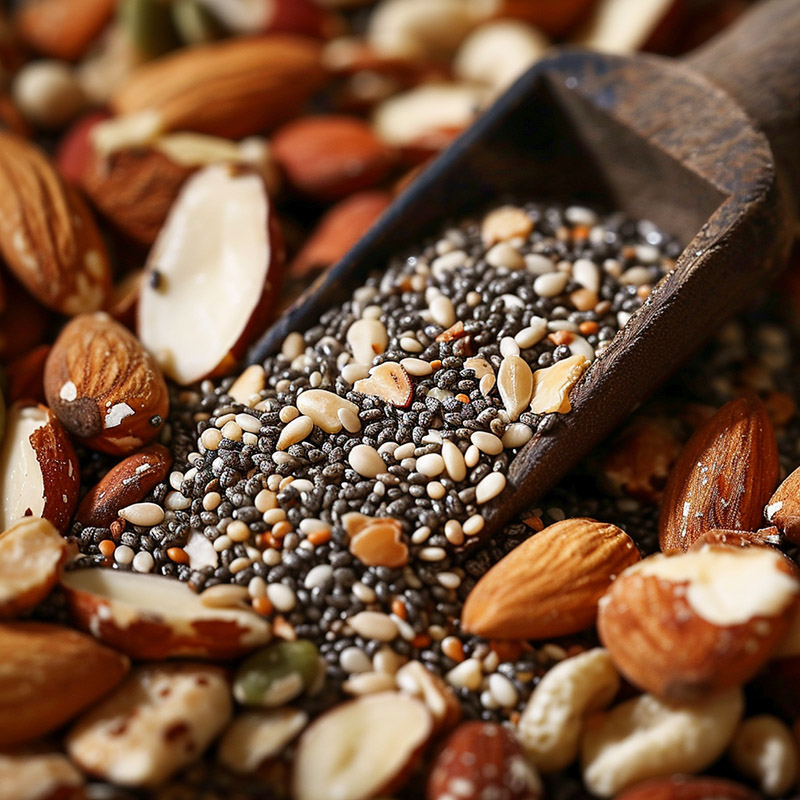
Almonds, chia seeds, sesame seeds, and tahini can all contribute calcium, along with healthy fats, fiber, magnesium, and plant protein. They are useful in small portions because they are nutrient-dense and calorie-dense at the same time.
Try tahini in sauces, chia in yogurt or oatmeal, sesame seeds on vegetables, and almonds as part of a snack with fruit. These foods are not usually enough by themselves to meet calcium needs, but they make the overall pattern stronger.
Beans and Lentils

Beans and lentils are better known for fiber and plant protein, but they can add some calcium too. White beans, winged beans, chickpeas, and certain bean-based foods are especially useful. They also support heart and gut health because they bring fiber, potassium, and slowly digested carbohydrate.
Calcium does not have to come from one dramatic food. A day that includes fortified soy milk, beans, greens, yogurt, and a sprinkle of seeds can add up quietly. This is often easier and more sustainable than trying to force one large serving at the end of the day.
Tofu and Tempeh

Tofu can be an excellent calcium source when it is set with calcium sulfate. The amount varies a lot, so the label is the best guide. Tempeh usually provides less calcium than calcium-set tofu, but it offers protein, fiber, and fermented soy nutrition.
Calcium-set tofu works in stir-fries, scrambles, soups, curries, grain bowls, and smoothies. It is one of the most practical choices for people who want a dairy-free calcium source that also contributes meaningful protein.
How Much Calcium People Need
Calcium needs change with age. Many adults need about 1,000 mg per day, while teens, women over 50, and men over 70 generally need more. Children, pregnant people, breastfeeding people, older adults, and anyone with osteoporosis, kidney disease, digestive disorders, or medication-related absorption issues should follow individualized medical advice.
Getting enough calcium is only part of bone health. Vitamin D helps the body absorb calcium. Protein, magnesium, phosphorus, vitamin K, weight-bearing exercise, resistance training, not smoking, and limiting heavy alcohol intake also matter. Bones respond to the whole lifestyle, not one mineral in isolation.
Food First, Supplements Carefully
Food sources are usually the best starting point because they bring calcium packaged with other nutrients. Supplements can be useful when food intake falls short, but more is not automatically better. High supplemental calcium intake can cause constipation, may contribute to kidney stones in susceptible people, and can interact with some medications.
If a supplement is needed, smaller doses are often absorbed better than one large dose. Calcium carbonate is usually taken with food; calcium citrate can be easier for some people to tolerate and does not depend as much on stomach acid. A clinician or pharmacist can help match the form and dose to a person's diet, medications, and health history.
Calcium Nutrition Awareness
 This page originally noted a 2004 calcium nutrition campaign that responded to concerns about rising fracture rates in children and falling milk intake. The broader point still holds: children and adolescents are building bone mass, and calcium-rich foods are important during those years.
Today, the message is wider than milk alone. Dairy foods can be useful, but so can fortified soy beverages, calcium-set tofu, canned fish with bones, leafy greens with better calcium availability, beans, nuts, seeds, and fortified foods. The goal is a realistic pattern that people can actually follow.
Practical Tips
Build calcium into ordinary meals: yogurt at breakfast, fortified soy milk in oatmeal, tofu in a stir-fry, kale or bok choy with dinner, sardines on toast, or tahini in a lemon-garlic dressing. Spread calcium through the day when possible, especially if appetite is small.
Final note: Calcium-rich foods support bones, teeth, muscles, nerves, and normal heart rhythm. The strongest approach is steady and balanced: enough calcium, enough vitamin D, regular strength and weight-bearing activity, and caution with high-dose supplements unless a healthcare professional recommends them.