
Oranges are familiar enough to seem ordinary, but they are one of the more useful fruits to keep in the kitchen. They are sweet, acidic, fragrant, easy to portion, and naturally protected by a peel. A medium orange usually lands around 60 to 80 calories, depending on size, while delivering water, vitamin C, potassium, folate, and fiber.
The culinary value is just as important as the nutrition. Orange segments add brightness to salads, grain bowls, yogurt, desserts, sauces, and roasted vegetables. Orange zest brings concentrated aroma without extra sugar, while a squeeze of juice can balance rich foods, herbs, spices, and olive oil.

A Portable Snack
One of the best things about oranges is how little preparation they require. They travel well, peel by hand, and feel more substantial than many packaged snacks because they contain both water and fiber. That combination helps make a snack refreshing while also giving the stomach something to work with.
Whole oranges are especially useful for people trying to improve snack habits. They are sweet enough to satisfy a craving, but they come with fiber and chewing time. That makes them different from candy, cookies, chips, or sweet drinks, which can be easy to consume quickly without much fullness.

Whole Fruit First
Orange smoothies can be a good way to use the whole fruit, especially when the orange is blended with yogurt, oats, nuts, seeds, or another source of protein and fat. The key is to keep the entire fruit in the recipe rather than relying only on juice. Whole orange segments preserve more fiber and texture.
Orange juice has a place, but it is easier to drink several oranges' worth of sugar than it is to eat several whole oranges. For everyday nutrition, whole fruit usually has the advantage. If you drink juice, a small glass with a meal is a more balanced choice than a large sweet drink on its own.

Vitamin C And Growth
Oranges are famous for vitamin C, and for good reason. Vitamin C supports normal immune function, helps the body make collagen for skin and connective tissue, and improves absorption of non-heme iron from plant foods. It also acts as an antioxidant, helping protect cells from oxidative stress.
For children, oranges can be a friendly way to connect nutrition with taste. They are colorful, fragrant, easy to divide into segments, and naturally sweet. Pairing orange slices with meals that contain beans, lentils, spinach, or fortified grains can also help the body absorb more iron from those plant foods.
Choosing Oranges
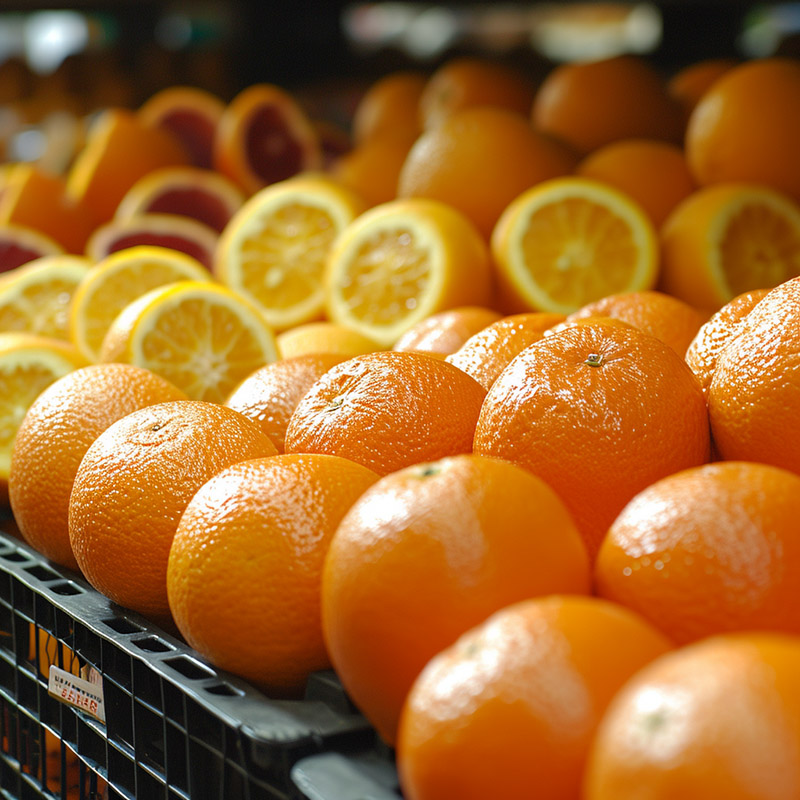
Different oranges serve different jobs. Navel oranges are easy to peel and excellent for snacking. Valencia oranges are prized for juice. Blood oranges bring berry-like color and flavor from anthocyanin pigments. Cara Cara oranges are often pink inside, sweet, and low in acidity compared with some other varieties.
Choose oranges that feel heavy for their size, a good sign of juiciness. The peel should be firm and fragrant rather than dry, soft, or moldy. Color is useful, but it is not everything; some ripe oranges may show greenish patches depending on variety and growing conditions.
Juice In Context
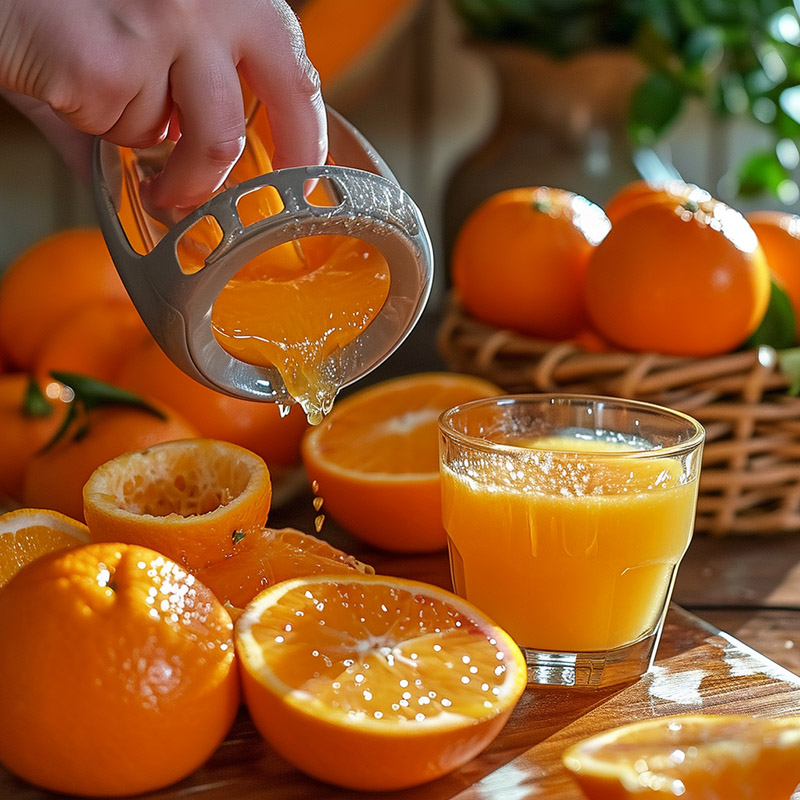
Fresh orange juice provides vitamin C, potassium, flavor, and fluid, but it has far less fiber than the whole fruit. That is why a glass of juice and a peeled orange do not behave the same way in a meal. Juice can be useful, especially in small portions, but whole oranges are usually the better default snack.
If orange juice is part of breakfast, consider pouring a smaller serving and pairing it with protein and fiber from eggs, yogurt, nuts, oats, beans, or whole-grain toast. This keeps the meal steadier than juice alone.
From Tree To Table
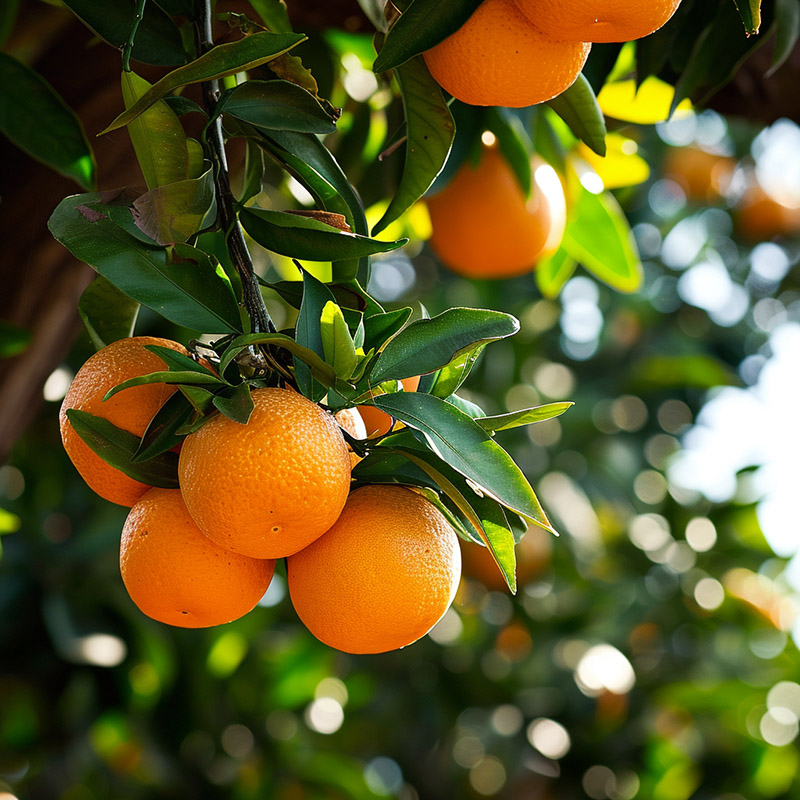
Oranges grow in warm climates and are harvested at maturity rather than ripened like bananas on the counter. Once picked, they keep best in cool storage. At home, oranges can sit at room temperature for a short time, but refrigeration helps preserve juiciness and reduces waste if you buy more than a few at once.
The peel is part of what makes oranges practical. It protects the fruit, carries fragrant oils, and can be used as zest when washed well. The white pith underneath the colored peel tastes bitter to some people, but it contains fiber and plant compounds, so there is no need to remove every trace.
Salads And Savory Pairings
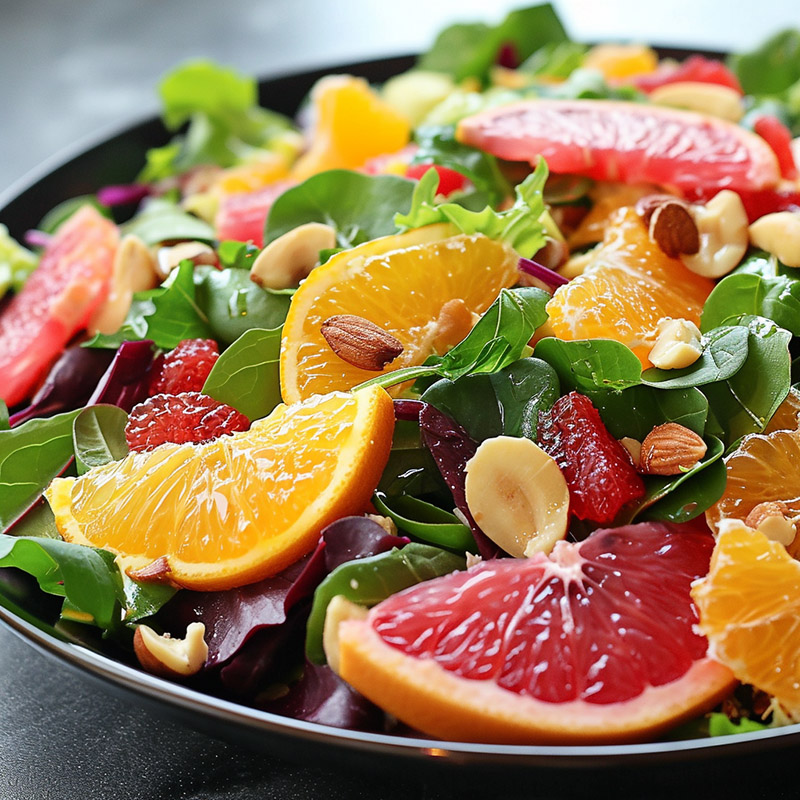
Oranges are excellent in savory food because acidity makes meals feel brighter. They pair well with fennel, beets, avocado, olives, red onion, mint, cilantro, arugula, spinach, cabbage, grilled chicken, shrimp, salmon, tofu, and toasted nuts. A simple citrus salad can turn a plain meal into something vivid.
Orange segments also help balance bitter greens and salty ingredients. A dressing made with orange juice, zest, olive oil, vinegar, mustard, and a pinch of salt can replace heavier dressings while keeping a full, lively flavor.

Skin And Wellness Claims
Vitamin C is involved in collagen formation, which is one reason oranges often appear in beauty and wellness conversations. Eating vitamin C-rich foods can support normal skin health as part of an overall diet. That is different from saying oranges or orange masks can erase skin problems.
Use caution with citrus on the skin. Orange juice and peel oils can irritate sensitive skin, and citrus residues may increase sun sensitivity for some people. For wellness, oranges are most reliably helpful on the plate, not as a do-it-yourself skin treatment.

Fitness And Hydration
Oranges are mostly water and provide carbohydrate, potassium, and vitamin C. That makes them a refreshing choice after ordinary exercise, especially with a meal or snack that also contains protein. For long or very sweaty workouts, athletes may need more sodium and total carbohydrate than an orange provides.
For everyday movement, an orange after a walk, practice, or gym session can be just right. It helps with fluid intake, restores some carbohydrate, and tastes clean when heavier snacks do not appeal.

Tradition And Symbolism
Oranges have long carried meaning beyond nutrition. Their color, fragrance, sweetness, and winter availability made them special in many holiday traditions. They are associated with abundance, good fortune, hospitality, and celebration in different cultures.
That history is part of their charm. Oranges can be practical weekday food and festive food at the same time: a lunchbox fruit, a holiday centerpiece, a garnish, a gift, or the bright note in a winter dessert.
Everyday Nutrition
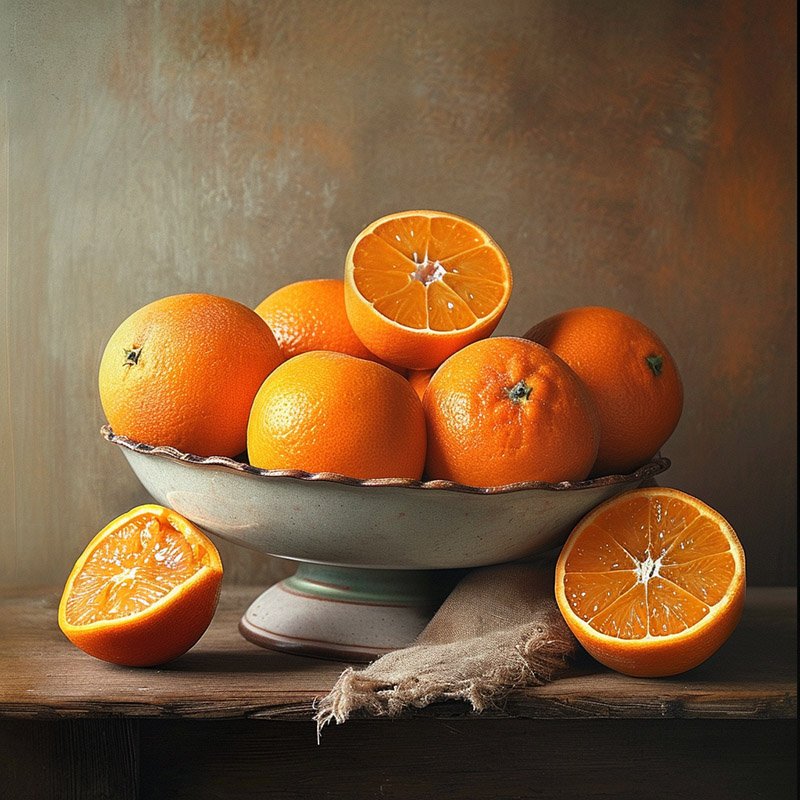
A bowl of oranges on the table is more than decoration. Visible fruit tends to get eaten, especially when it is easy to grab. Keeping oranges where people can see them can make a healthy choice feel effortless.
Oranges fit well into many eating patterns: Mediterranean-style meals, vegetarian diets, lunchbox planning, heart-conscious eating, and general healthy snacking. People managing blood sugar can often include whole oranges, but portion size and meal context still matter. Pairing fruit with protein, fat, or fiber-rich foods can make the snack more satisfying.

Reducing Waste
Buying oranges you will actually use is one of the simplest sustainability choices. Refrigerate extras, use zest before juicing, freeze juice or zest for later cooking, and add aging oranges to salads, sauces, marinades, smoothies, or baked goods before they dry out.
Peels can be composted where local systems allow. They can also be used sparingly for zest, infused water, marmalade, or simmering with spices for fragrance. Wash oranges before zesting because the peel is exposed during harvest, transport, and handling.
Practical Tips
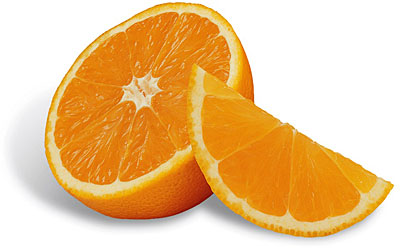 A whole orange is naturally portioned, easy to pack, and usually more filling than juice because it contains fiber and requires chewing. It is a smart alternative to many sweet snacks when the goal is better nutrition rather than simply fewer calories.
For the best texture and flavor, store oranges in the refrigerator and bring them to room temperature before eating if you prefer a sweeter aroma. Use zest to brighten baked goods, dressings, marinades, vegetables, and seafood. Add segments near the end of cooking or serve them fresh so they keep their shape.
Citrus can interact with some medications, most famously grapefruit. Oranges are less commonly a problem, but bitter orange and Seville orange products may matter for certain prescriptions. Anyone with medication concerns should ask a pharmacist or clinician.
Final note: Oranges earn their place in the kitchen because they are flavorful, hydrating, versatile, and nutrient-rich. Whole oranges offer vitamin C, fiber, and natural sweetness in a convenient package, making them an easy upgrade for snacks, salads, breakfasts, and everyday meals.
Sunkist is a marketing cooperative owned by thousands of citrus growers harvesting oranges, lemons, and grapefruit.