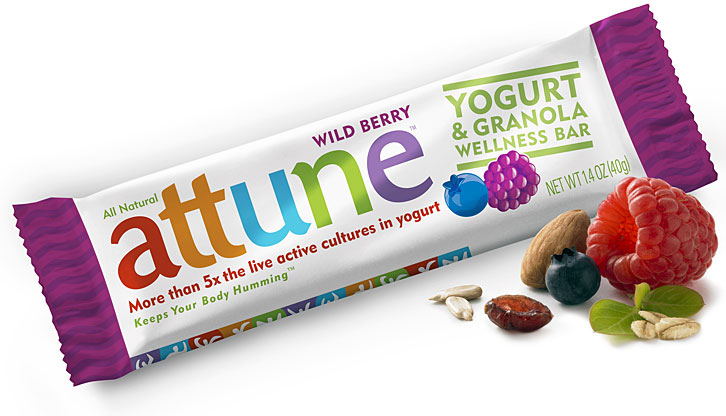
Wellness bars are convenient, but the name can mean many different things. Some are closer to candy bars with a health halo, while others are useful snacks built from oats, nuts, seeds, dried fruit, protein, fiber, or live cultures. A probiotic bar deserves a closer label read because the benefit depends on the strain, dose, storage, and whether the microbes remain alive when you eat it.
The original appeal of probiotic wellness bars was simple: put beneficial live microorganisms into a portable snack. That idea is still attractive, but probiotic science is strain-specific. A large number on the front of a package is less meaningful if the label does not identify the organisms clearly or tell you whether the count is guaranteed through the expiration date.
What Probiotics Are
Probiotics are live microorganisms that, when given in adequate amounts, provide a health benefit. They are found in some fermented foods, added to some foods, and sold as dietary supplements. Common probiotic genera include Lactobacillus, Bifidobacterium, and Saccharomyces, but the full name matters: genus, species, and strain can all affect what a probiotic has been studied to do.
Not every food with live cultures has the same evidence. Yogurt with live and active cultures, kefir, some fermented vegetables, and probiotic supplements may each contain different organisms. A bar is a more challenging format because heat, moisture, time, and storage conditions can reduce live counts.
Read The Label
A stronger probiotic bar label should list the probiotic strain or strains, the amount of live organisms, and whether that amount is present at the time of manufacture or guaranteed through the "best by" date. Counts are often given as CFU, or colony-forming units.
Storage instructions matter. Some probiotics need refrigeration; others are shelf-stable because of the strain used or the way the product is made. If a bar says it contains live probiotics but gives no strain details, no expiration-date guarantee, and no storage guidance, treat the claim cautiously.
Check Sugar, Fiber, And Protein
The rest of the nutrition label matters as much as the probiotic claim. Look for a bar with enough protein or fiber to make it satisfying, and keep added sugar modest. Bars coated in yogurt-flavored or chocolate coatings can be pleasant, but they may add sugar and saturated fat without adding much probiotic value.
A useful snack bar often has a short ingredient list built around foods such as oats, nuts, seeds, fruit, nut butter, or milk-based protein. A bar with very little fiber, very little protein, and a lot of added sugar is better treated as a sweet snack rather than a wellness food.
When A Bar Can Help
A probiotic wellness bar can be helpful when it replaces a less nourishing snack or when you need something portable between meals. It can be especially useful if it provides protein, fiber, and minerals while fitting your calorie needs.
For everyday gut health, though, do not rely on a bar alone. A healthy gut pattern is built from a variety of fiber-rich foods: beans, lentils, vegetables, fruit, oats, barley, nuts, seeds, and whole grains. These foods feed beneficial microbes already living in the gut.
Safety Notes
Probiotics are generally used safely by healthy people, but they are not risk-free for everyone. People who are immunocompromised, critically ill, have central venous catheters, have severe intestinal disease, or are recovering from major surgery should ask a healthcare professional before using probiotic products.
Anyone using probiotics for antibiotic-associated diarrhea, irritable bowel syndrome, inflammatory bowel disease, allergies, or immune support should look for strains studied for that specific purpose rather than assuming all probiotics do the same thing.
Final Note
A probiotic wellness bar can be a reasonable snack, but it should earn its place like any other packaged food. Choose one with clear probiotic labeling, sensible storage instructions, useful protein or fiber, and modest added sugar. For gut health overall, pair convenience foods with the less flashy foundation: vegetables, fruit, legumes, whole grains, nuts, seeds, and fermented foods you actually enjoy.