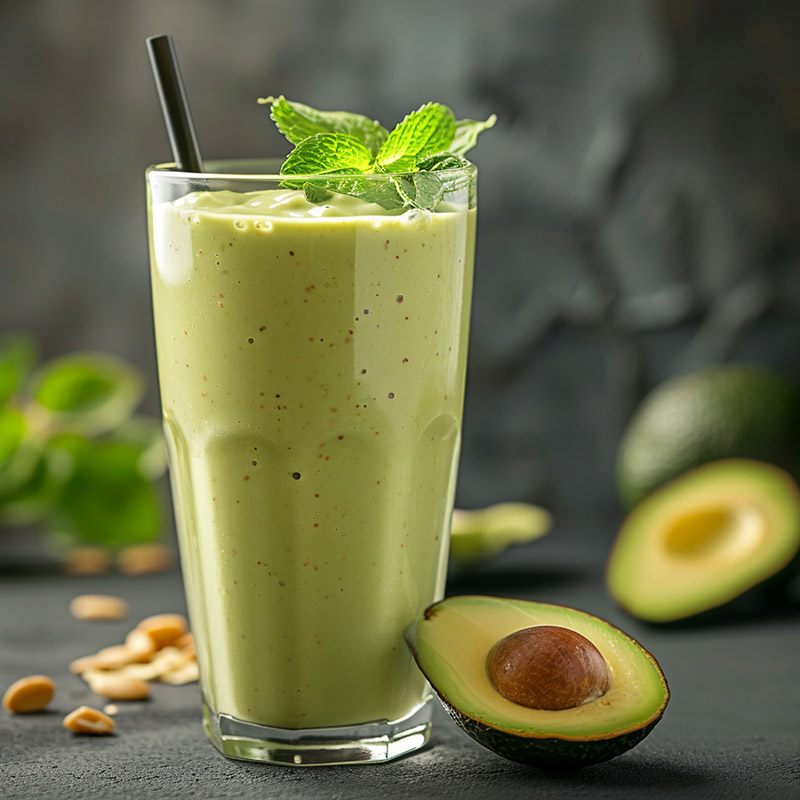
Avocados are unusual fruit: creamy instead of juicy, rich in fat instead of sugar, and mild enough to work in sweet and savory recipes. Their main nutritional strength is the combination of monounsaturated fat, fiber, potassium, folate, vitamin E, vitamin K, and plant compounds such as lutein and other carotenoids.
That richness is part of the appeal, but it also means portion size matters. Avocado can make a meal more satisfying and nutrient-dense, especially when it replaces butter, mayonnaise, cream-heavy spreads, or refined snacks. It is less helpful when it is simply added on top of an already calorie-heavy meal without changing anything else.
Healthy Fats
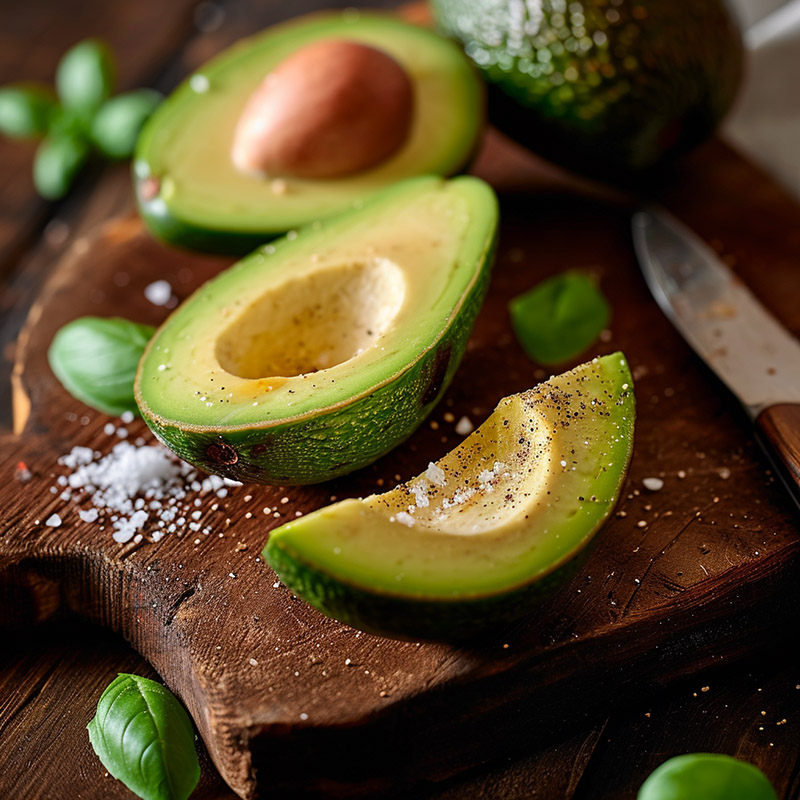
Most of the fat in avocado is unsaturated, with a large share coming from monounsaturated fat. This is the same broad category of fat emphasized in olive oil, nuts, and many heart-conscious eating patterns. Replacing saturated-fat-heavy foods with unsaturated-fat-rich foods can support healthier cholesterol patterns for many people.
Avocados are also naturally cholesterol-free because cholesterol is found in animal foods, not plant foods. Their creamy texture makes them useful as a spread, sauce base, salad ingredient, or topping when you want richness without relying on butter or heavy cream.
Satiety And Weight
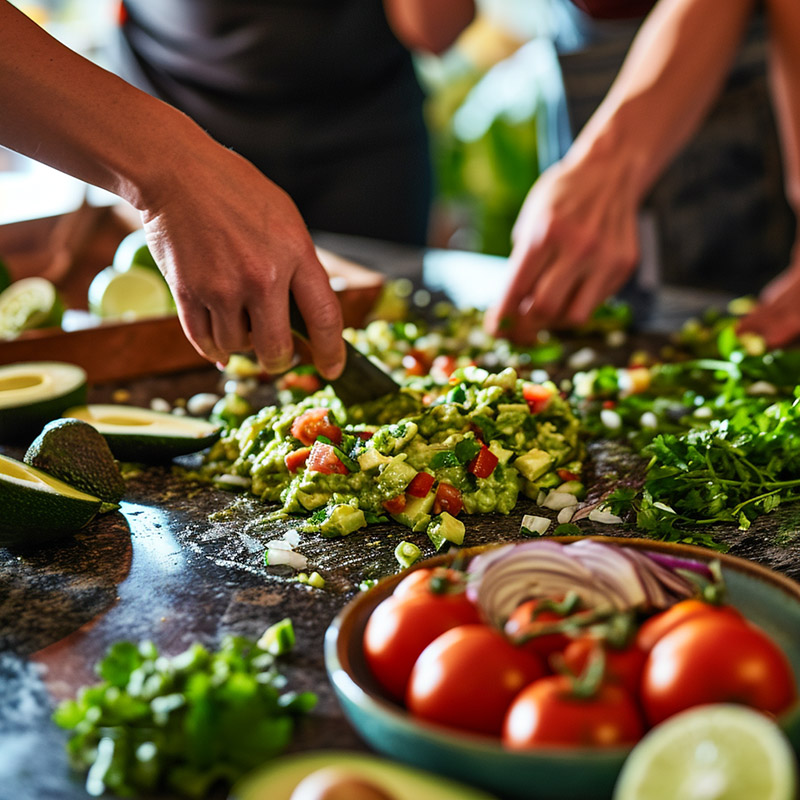
Avocado is often discussed in weight-management research because it combines fat and fiber, two nutrients that can make meals feel more satisfying. Some studies have found that adding or substituting avocado in a meal can increase fullness and reduce the desire to eat for several hours.
That does not mean avocado causes weight loss by itself. In trials where avocados are included in calorie-controlled diets, weight outcomes depend on the whole diet. The practical lesson is simple: avocado can help a meal feel complete, but it works best when it replaces less nourishing calories rather than adding extra ones.
Choosing And Ripening
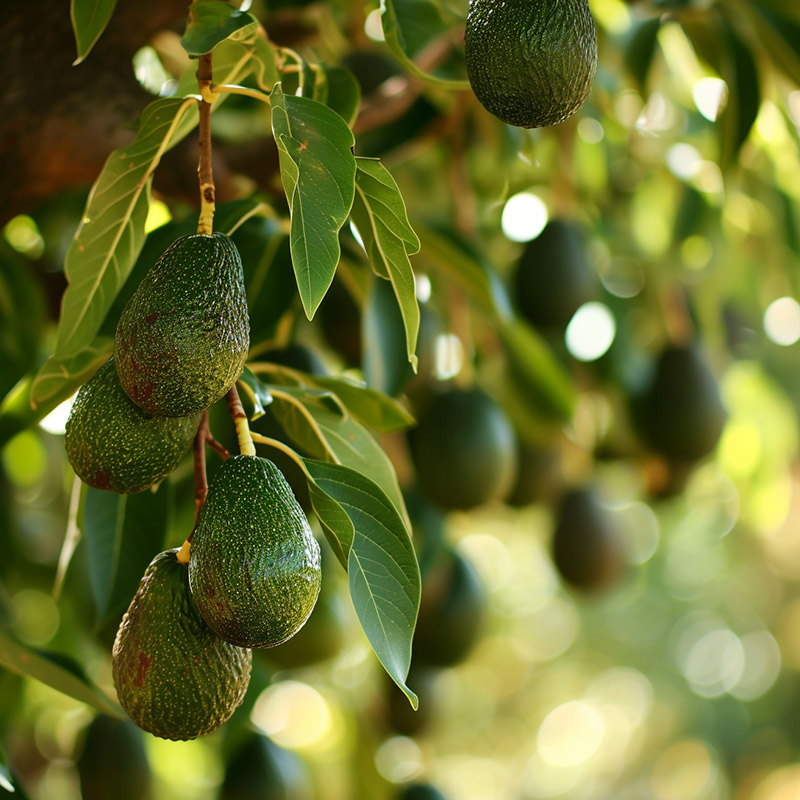
A ripe avocado should yield gently to pressure without feeling hollow, mushy, or bruised. Firm avocados can ripen at room temperature, and refrigeration slows the process once they are ready. If you only use part of an avocado, store the remainder tightly covered with lime or lemon juice to slow browning.
Variety, season, and growing conditions affect flavor and texture. Hass avocados are common because they become creamy and nutty when ripe. Larger green-skinned varieties can be milder and more watery, but they still work well in salads and sliced preparations.
Skin And Hair Claims
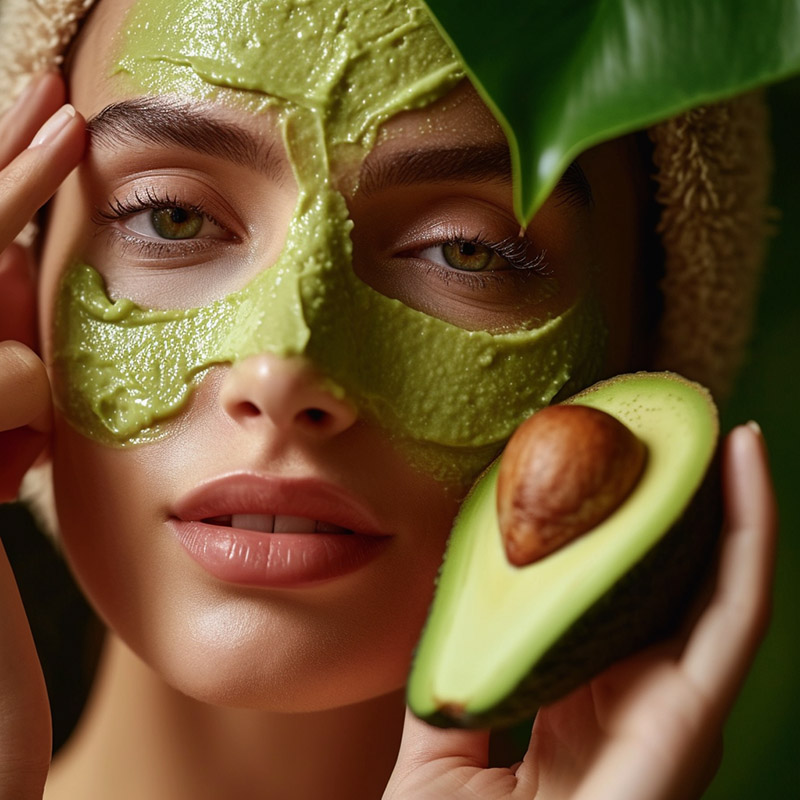
Avocado contains vitamin E, vitamin C, carotenoids, and fats that fit naturally into conversations about skin health. Eating nutrient-rich foods can support normal skin function as part of an overall diet, especially when paired with hydration, sleep, sun protection, and enough protein.
Topical avocado masks are popular, but the evidence is much thinner than the folklore. Some people find mashed avocado moisturizing, while others may experience irritation or clogged pores. For beauty uses, treat avocado as a gentle kitchen experiment, not as a treatment for skin or scalp conditions.
Breakfast And Snacks
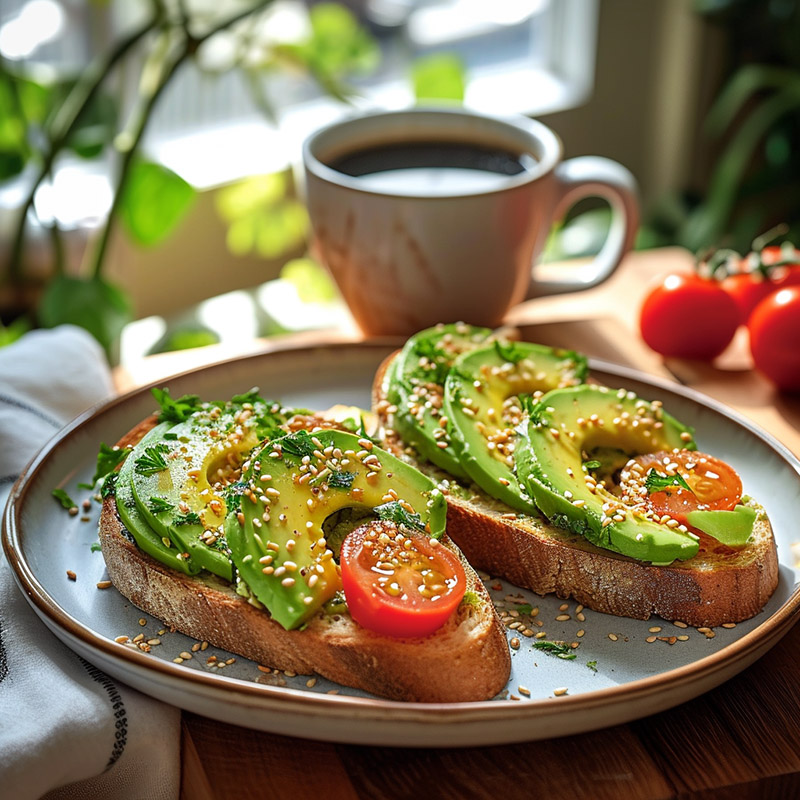
Avocado toast became popular because it is fast, flexible, and satisfying. Whole-grain toast with avocado can be rounded out with eggs, beans, smoked salmon, tomatoes, greens, seeds, chili flakes, herbs, or a squeeze of citrus. The more balanced version includes protein and fiber, not just bread and fat.
Avocado also works as a snack with salt, lime, salsa, cottage cheese, hummus, or tuna salad. For smaller appetites, a quarter or half avocado may be plenty. For larger meals, avocado can be one rich component among vegetables, grains, and protein.
Salads And Nutrient Absorption
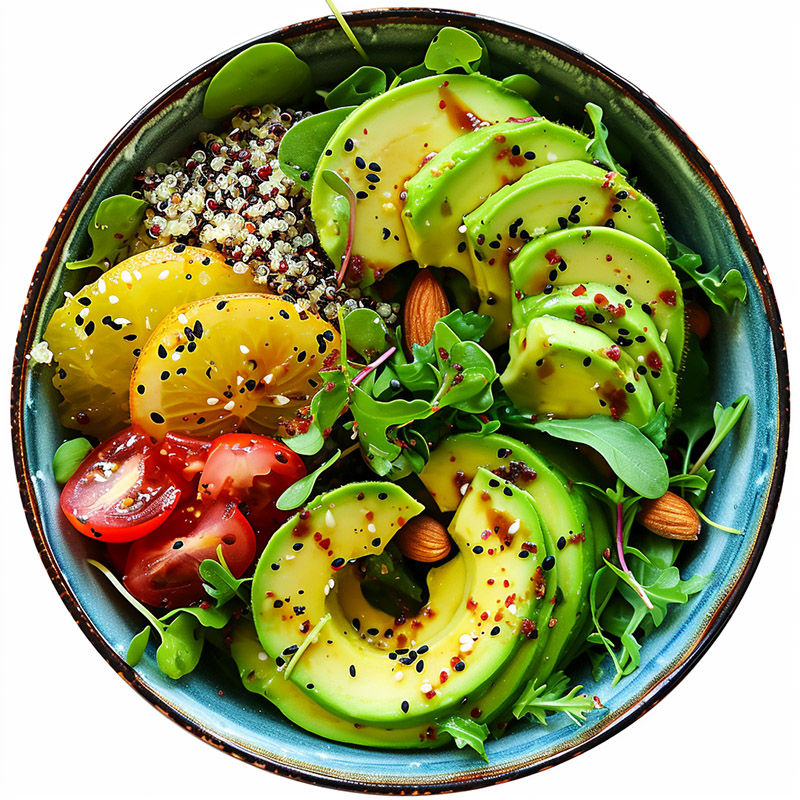
Avocado makes salads more filling and helps carry flavors from herbs, citrus, vinegar, spices, and olive oil. It pairs well with beans, corn, tomatoes, peppers, greens, quinoa, chicken, shrimp, eggs, pumpkin seeds, and leafy herbs.
The fat in avocado can also help the body absorb fat-soluble compounds from vegetables, including some carotenoids. That is one reason avocado works so well in colorful salads: it improves texture and may help the meal deliver more of what the vegetables contain.
Plant-Based Cooking
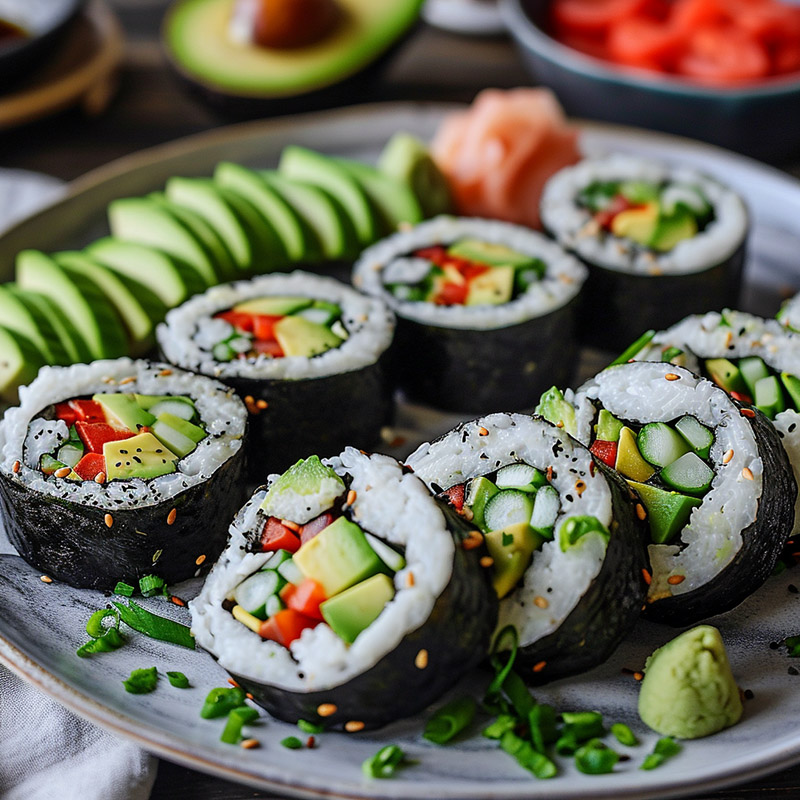
In vegetarian and vegan meals, avocado can add richness that might otherwise come from cheese, mayonnaise, or cream-based sauces. It works in sushi rolls, wraps, grain bowls, tacos, soups, dressings, smoothies, dips, and chilled sauces.
Avocado is not a high-protein food, so plant-based meals still need protein from beans, lentils, tofu, tempeh, edamame, nuts, seeds, whole grains, or fortified foods. Think of avocado as the creamy fat-and-fiber element, not the main protein source.
Lutein And Phytonutrients
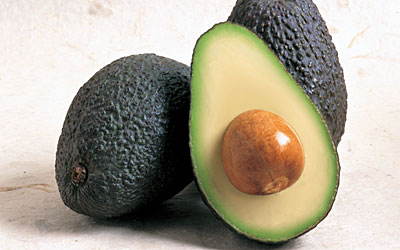 This page originally highlighted research published in 2005 from UCLA on avocado nutrients and cell health. Researchers noted that avocados contain lutein, a carotenoid also found in green vegetables, and suggested that the mix of carotenoids, vitamins, and other plant compounds in whole avocado may be more interesting than any single isolated compound.
That idea still fits modern nutrition thinking. Whole foods contain many interacting substances, and avocados offer fiber, unsaturated fat, phytosterols, carotenoids, vitamins, and minerals together. The sensible takeaway is not that avocado is a cure-all, but that it is a nutrient-dense food that can improve the quality of many meals.
Heart And Metabolic Health
Clinical studies of avocado and cardiovascular markers have produced mixed but generally encouraging results. Some reviews suggest avocado intake may modestly improve LDL cholesterol or other cardiometabolic markers, especially when it replaces less healthy fat sources. Other studies show smaller or neutral effects, which is a reminder that the overall diet matters most.
Avocados also provide potassium, a mineral many people underconsume. Potassium-rich foods can support healthy blood pressure patterns when the overall diet is balanced and sodium intake is not excessive. People with kidney disease or potassium restrictions should follow medical advice before increasing high-potassium foods.
Practical Tips
Use avocado where it earns its place: mashed into guacamole, sliced into salads, blended into dressings, spread on whole-grain toast, folded into tacos, or added to grain bowls. Balance it with protein and high-fiber foods, and season it well with citrus, herbs, pepper, garlic, or chile.
Final note: Avocado is valuable because it brings creamy texture, unsaturated fat, fiber, potassium, folate, vitamin E, and carotenoids to everyday meals. Enjoy it as a flavorful upgrade, not as a magic food, and let portion size and meal balance do the quiet work.
California avocados are naturally cholesterol-free and contain mostly unsaturated fat.