Broccoli earns its reputation as a nutrition workhorse. It is low in calories, high in water, and packed with fiber, vitamin C, vitamin K, folate, potassium, and plant compounds that are being studied for their effects on inflammation, detoxification enzymes, and long-term health.
A cup of chopped raw broccoli provides a meaningful amount of vitamin C and vitamin K along with a modest amount of fiber. Cooked broccoli is softer and easier to eat in larger portions, while raw broccoli keeps more crunch. Both can fit into a healthy diet, and the best version is the one people will actually eat often.
Comfort Food With Nutrients
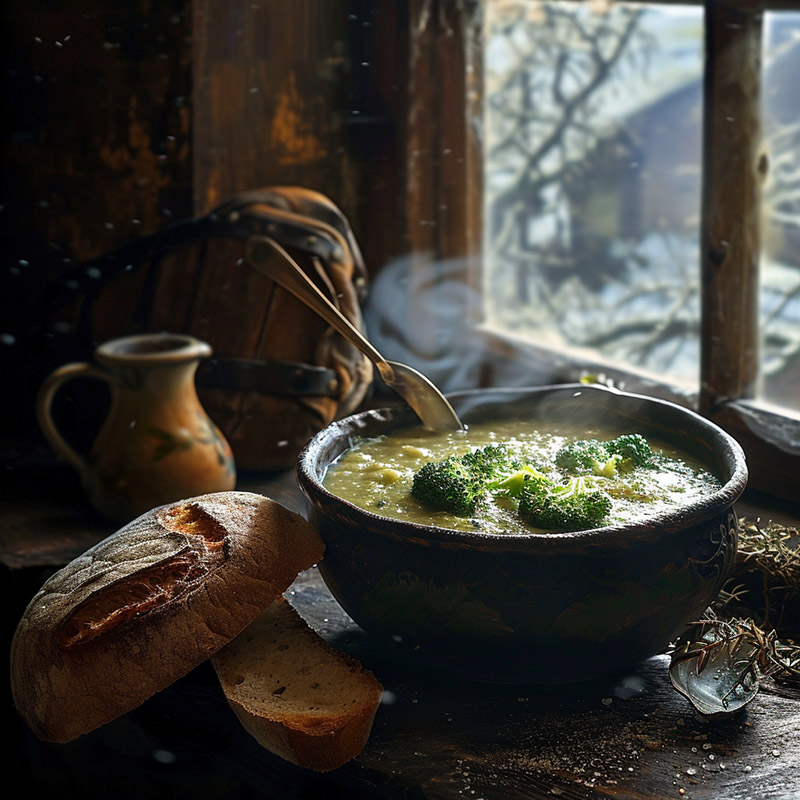
Broccoli soup is a good example of how a vegetable can be comforting without losing its nutritional purpose. A soup built with broccoli, onion, garlic, beans, potatoes, yogurt, or a modest amount of cheese can be filling, warm, and nutrient-rich. Blending part of the soup gives creaminess without needing large amounts of cream.
Cooking does change broccoli. Vitamin C is heat-sensitive and can be lost into cooking water, while other compounds may become easier to digest. Steaming, sauteing, roasting, and adding broccoli near the end of soup cooking are practical ways to preserve flavor, color, and texture.
How To Choose And Store It
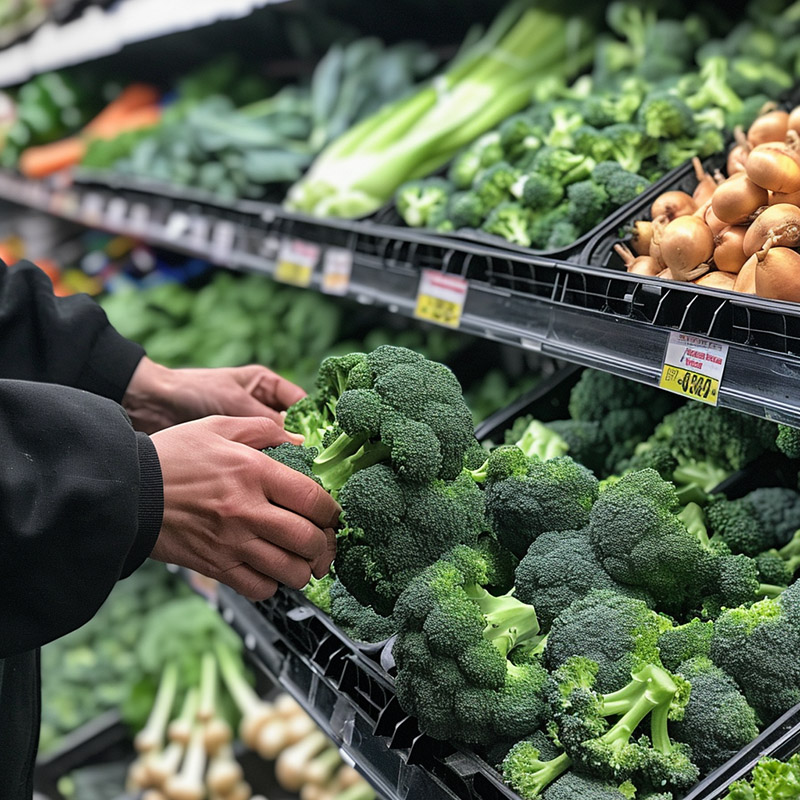
Look for broccoli with firm stalks, compact florets, and a deep green color. Yellowing florets, limp stems, or a strong cabbage-like odor usually mean the broccoli is past its best. Smaller florets tend to cook quickly, while thicker stems can be peeled and sliced so they cook at the same pace.
Store broccoli in the refrigerator and use it within a few days for the best flavor. Keep it dry until you are ready to cook. If you buy more than you can use, blanching and freezing broccoli can help reduce waste and keep a quick vegetable option ready for soups, stir-fries, grain bowls, and pasta.
Raw, Blended, Or Juiced
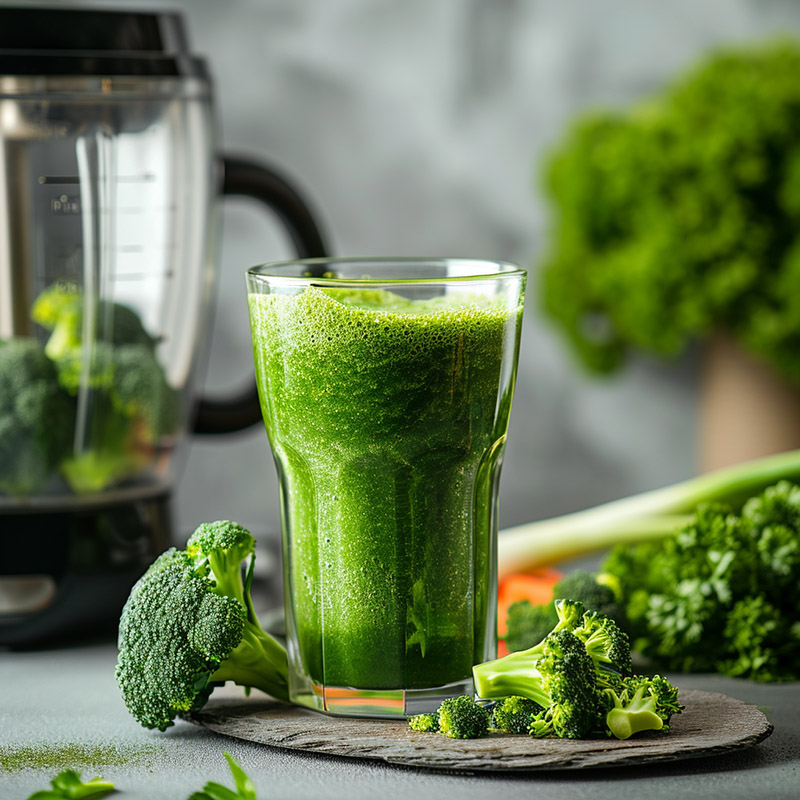
Raw broccoli has a peppery bite and works well in slaws, chopped salads, snack plates, and dips. Blending a small amount into a smoothie can work when paired with fruit, citrus, ginger, yogurt, or greens, but broccoli has a stronger flavor than spinach or cucumber, so a little goes a long way.
Whole broccoli is usually a better choice than broccoli juice because the whole vegetable keeps the fiber. Fiber supports digestion, helps meals feel more satisfying, and feeds beneficial gut microbes. If a green drink is the goal, blending is generally more useful than juicing.
Fast Cooking Ideas
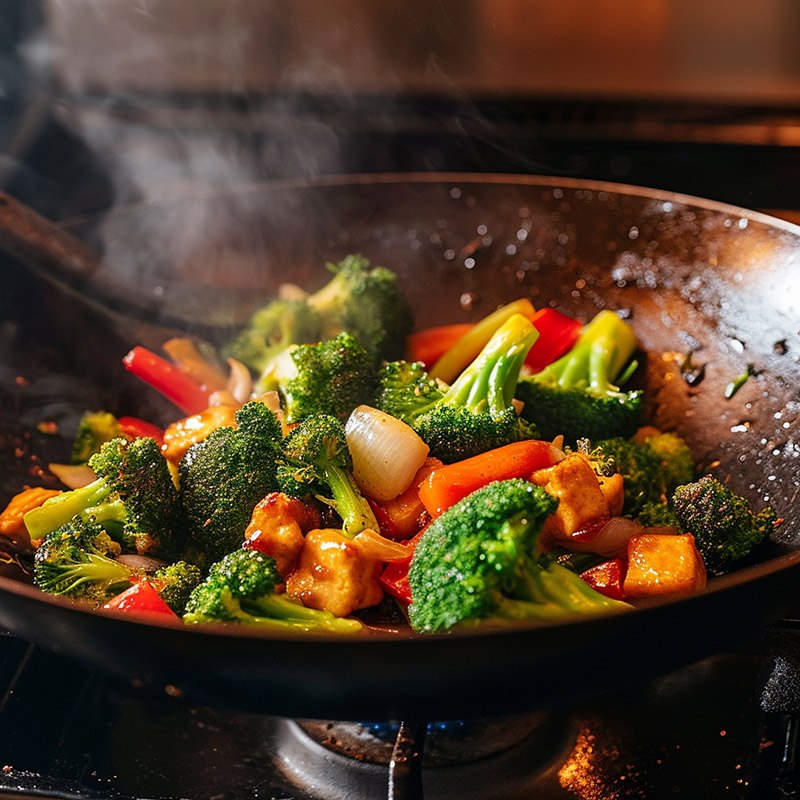
Broccoli is at its best when it stays vivid and slightly crisp. Stir-frying, steaming, roasting, and grilling all work well. Pair it with garlic, lemon, ginger, sesame oil, chili flakes, tahini, parmesan, soy sauce, olive oil, almonds, tofu, chicken, salmon, beans, or whole-grain noodles.
For weeknight cooking, cut florets evenly and do not forget the stems. Peeled stems are sweet and tender when sliced thinly. A quick steam followed by olive oil and lemon, or a hot pan with garlic and a splash of water, is often enough.
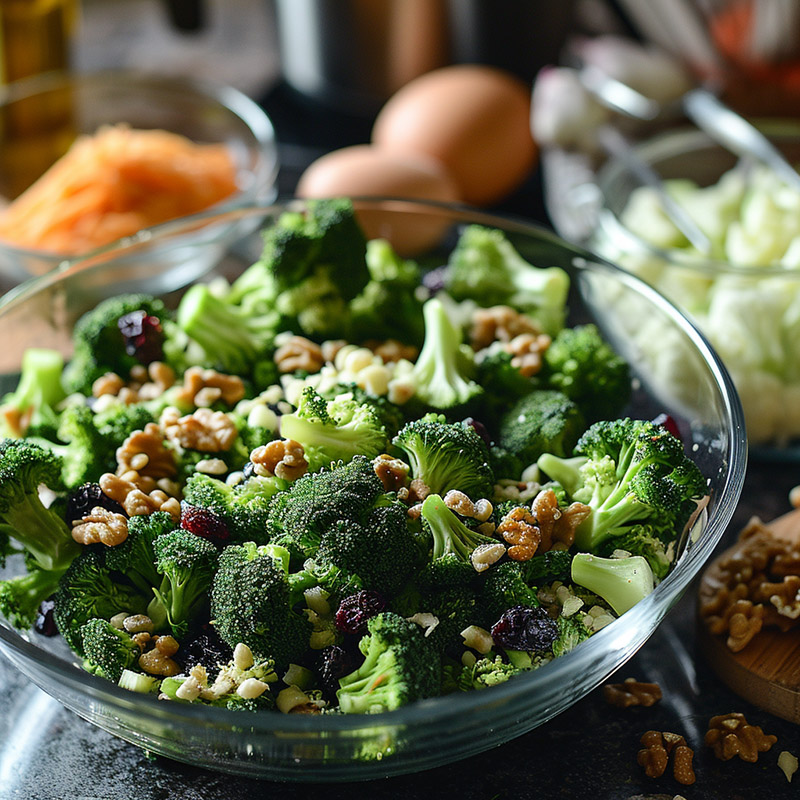
Salads And Meal Prep
Broccoli salads can be crisp, filling, and flexible. Chopped broccoli pairs well with apples, dried cranberries, sunflower seeds, almonds, red onion, chickpeas, cheddar, bacon, herbs, yogurt dressings, tahini dressings, or vinaigrettes. Letting the salad rest for a short time softens the florets and helps the dressing reach the stems.
For meal prep, lightly blanch broccoli before using it in salads or bowls if raw broccoli feels too tough. The goal is not to cook it to mush, but to brighten the color and ease the texture. Cooling it quickly after blanching helps preserve that fresh green look.
Cruciferous Compounds
Broccoli belongs to the cruciferous vegetable family, along with cabbage, Brussels sprouts, cauliflower, bok choy, kale, turnips, and watercress. These vegetables contain glucosinolates. When broccoli is chopped or chewed, glucosinolates can be broken down into biologically active compounds such as isothiocyanates and indoles.
Sulforaphane, one of the most studied isothiocyanates, is formed from a broccoli compound called glucoraphanin with help from the enzyme myrosinase. Laboratory and animal studies have explored sulforaphane for effects on detoxification enzymes, oxidative stress, inflammation, and cancer-related pathways. Human evidence is still developing, so broccoli should be described as a health-supporting food, not as a cancer treatment.
Broccoli And Cancer Research
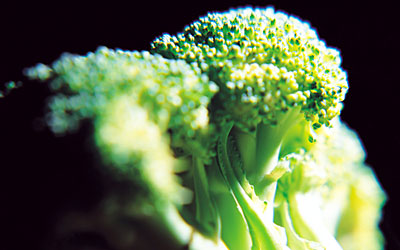 This page originally highlighted research at the University of Pittsburgh Cancer Institute on broccoli compounds called isothiocyanates and their possible role in prostate cancer prevention. That research reflected a broader scientific interest in cruciferous vegetables and cancer biology.
The cautious takeaway is that diets rich in vegetables, including cruciferous vegetables, are associated with better overall health and may be linked with lower risk of some cancers. However, no single vegetable can guarantee cancer prevention, and broccoli should not be used in place of screening, medical care, or treatment.
Weight, Digestion, And Heart Health
Broccoli can support weight-conscious eating because it adds volume, fiber, and texture for relatively few calories. It works especially well when it replaces lower-nutrient sides or when it is added to meals that also include protein, healthy fat, and satisfying carbohydrates.
The fiber in broccoli supports regular digestion and helps feed gut bacteria. Broccoli also provides potassium and plant compounds that fit well in heart-conscious eating patterns. The strongest evidence is for overall dietary patterns rich in vegetables, fruits, legumes, whole grains, nuts, and minimally processed foods.
Cautions
Broccoli is safe and beneficial for most people, but it can cause gas or bloating, especially when intake increases quickly. Cooking it and starting with smaller portions can help. People taking warfarin or other medications affected by vitamin K do not usually need to avoid broccoli, but they should keep vitamin K intake consistent and follow their clinician's guidance.
People with thyroid conditions sometimes worry about cruciferous vegetables. Normal food portions of cooked broccoli are generally not a concern for most people, but anyone with iodine deficiency, thyroid disease, or major diet changes should ask a healthcare professional for individualized advice.
Final note: Broccoli is not powerful because of one miracle compound; it is useful because it brings fiber, vitamins, minerals, water, flavor, and cruciferous plant chemistry together in an easy everyday vegetable. Eat it raw, roasted, steamed, blended, or stir-fried, and let variety do the heavy lifting.