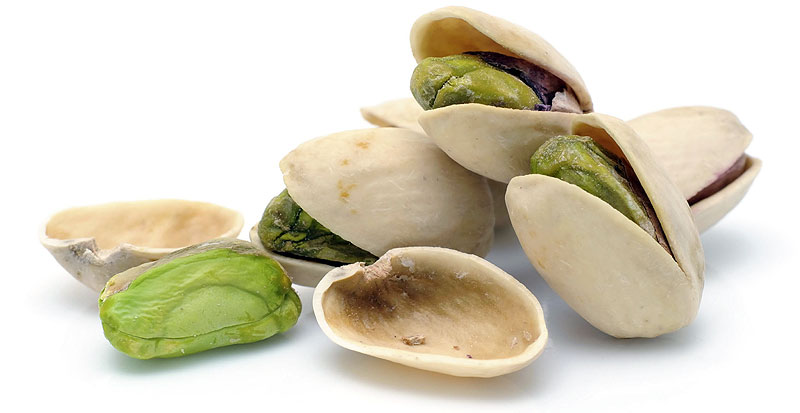
Pistachios are small nuts with a strong nutrition profile. A one-ounce serving, roughly a small handful of shelled nuts, provides plant protein, fiber, mostly unsaturated fat, potassium, magnesium, phosphorus, copper, thiamin, and vitamin B6. They also contain carotenoids and tocopherols, including lutein, beta-carotene, and gamma-tocopherol.
The best way to think about pistachios is as a nutrient-rich replacement food. They can improve the quality of a snack or meal when they replace chips, candy, refined crackers, or processed meats. They are not a treatment for disease, but they fit well into eating patterns linked with better heart and metabolic health.
Heart Health
Pistachios contain mostly unsaturated fats, including monounsaturated and polyunsaturated fats. Replacing some saturated fat with unsaturated fat is one of the more reliable diet moves for supporting healthy blood cholesterol levels. Pistachios also provide fiber and plant sterols, two food components that can contribute to a heart-conscious diet.
The FDA has allowed a qualified health claim for many nuts, including pistachios: scientific evidence suggests, but does not prove, that eating 1.5 ounces per day of most nuts as part of a diet low in saturated fat and cholesterol may reduce the risk of heart disease. The careful wording matters. The benefit depends on the whole diet, portion size, and what the nuts replace.
Antioxidants And Oxidized LDL
A 2010 Journal of Nutrition study examined pistachios in adults with high cholesterol using a randomized, crossover, controlled-feeding design. Participants ate a typical American diet first, then tested cholesterol-lowering diets with no pistachios, 1.5 ounces of pistachios per day, or 3 ounces per day.
The pistachio diets increased blood levels of lutein and gamma-tocopherol compared with the pistachio-free control diet. Participants also had lower oxidized LDL after the pistachio-enriched diets. Oxidized LDL is of interest because oxidation of LDL particles is involved in inflammation and plaque development inside blood vessels.
The study is best read as support for pistachios as one useful part of a heart-healthy diet. It suggests that pistachios can add antioxidant compounds while also supporting cholesterol-related markers.
Blood Sugar And Fullness
Pistachios pair protein, fat, and fiber in a way that can slow digestion and help a snack feel more satisfying. Eating them with fruit, yogurt, oats, salads, or whole grains can make a meal more balanced than eating a refined carbohydrate food by itself.
Studies of nuts generally show that moderate portions do not automatically lead to weight gain, even though nuts are calorie-dense. Pistachios may be especially easy to portion when bought in the shell because shelling slows the pace of eating and leaves a visible reminder of how much has been eaten.
Eye-Friendly Nutrients
Pistachios are notable among nuts for their lutein and zeaxanthin content. These carotenoids are concentrated in the retina and are often discussed in relation to long-term eye health. Leafy greens remain the richer source, but pistachios can contribute a small amount in a snack that also supplies fat, which helps carotenoid absorption.
How Much To Eat
A practical serving is one ounce of shelled pistachios. That is enough to add crunch, flavor, and nutrients without turning a snack into a large calorie load. Larger portions can still fit an active person's diet, but they should be counted as part of the meal rather than treated as a free food.
Choose unsalted or lightly salted pistachios most often, especially if you are watching blood pressure or sodium intake. Flavored pistachios can be enjoyable, but some varieties add substantial salt, sugar, or highly seasoned coatings.
Ways To Use Pistachios
Pistachios work well in both sweet and savory foods. Sprinkle chopped pistachios over oatmeal, yogurt, roasted carrots, green salads, grain bowls, lentils, fish, or citrus. They also pair well with herbs, olive oil, lemon, pomegranate, dates, dark chocolate, and spices such as cardamom or cumin.
For a simple snack, combine pistachios with fruit. For a more filling meal, use them as a garnish on vegetables and whole grains instead of relying on them as the main ingredient. A small amount can add a lot of texture and flavor.
Safety And Allergies
Pistachios are tree nuts, so they are not safe for people with pistachio or tree nut allergies unless a clinician has specifically advised otherwise. They are also commonly processed in facilities that handle other nuts.
Like other nuts, pistachios should be stored well. Keep them tightly sealed, cool, and dry, and discard nuts that smell rancid, bitter, musty, or stale. Because pistachios are rich in fat, warm storage can shorten freshness.
Final Note
Pistachios earn their health reputation because they bring together unsaturated fats, protein, fiber, minerals, vitamin B6, and antioxidant compounds in a satisfying food. The strongest case for them is simple: eat a sensible portion, choose lower-sodium versions often, and use pistachios to improve the overall quality of snacks and meals.