Some fat is good, and some fat is essential. Dietary fat helps the body absorb vitamins A, D, E, and K; supplies essential fatty acids; supports cell membranes and hormones; and makes meals more satisfying. A healthy diet does not need to be fat-free.
The better question is not whether fat is good or bad in isolation. It is what kind of fat you eat, which foods provide it, how much fits your calorie needs, and what the fat replaces. Olive oil on vegetables, nuts in oatmeal, avocado with beans, or salmon with greens is very different from trans-fat shortening, frequent deep-fried foods, or highly processed snacks.
Why Fat Quality Matters
Unsaturated fats are the fats most consistently encouraged in heart-conscious eating patterns. These include monounsaturated fats, found in foods such as olive oil, avocados, almonds, pistachios, and peanuts, and polyunsaturated fats, found in walnuts, flaxseed, chia, soybean oil, canola oil, and many fish.
Replacing saturated fat with unsaturated fat can help lower LDL cholesterol. This replacement idea is important: adding healthy fat on top of an already high-calorie diet is different from using healthier fats in place of butter, high-fat processed meats, refined snacks, or commercial baked goods.
Saturated Fat In Context
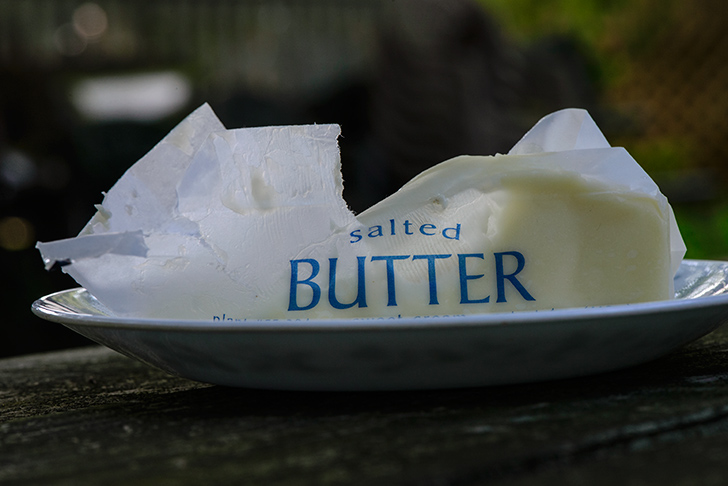
Saturated fat is found in fatty meats, butter, cheese, cream, whole-milk dairy, coconut oil, palm oil, and many baked or fried foods. U.S. Dietary Guidelines recommend limiting saturated fat to less than 10 percent of calories, and many heart-health organizations advise an even lower target for people working to reduce LDL cholesterol.
Food quality still matters. A diet that includes some plain yogurt, eggs, or cheese can look very different from a diet built around processed meats, pastries, and fried fast food. The practical goal is to make unsaturated fats the default while keeping saturated fat modest.
Trans Fat Is Different
Artificial trans fat is the fat to avoid as much as possible. It raises LDL cholesterol, lowers HDL cholesterol, and increases cardiovascular risk. Partially hydrogenated oils have been removed from most U.S. food manufacturing, but checking ingredient lists remains useful, especially for shelf-stable baked goods, shortenings, frostings, and imported foods.
The PURE Study
The 2017 PURE study followed more than 135,000 adults in 18 countries and reported that very high carbohydrate intake was associated with higher total mortality, while total fat intake was not associated with higher cardiovascular disease in the way many people expected. The study helped challenge the simple idea that lower-fat eating is always better.
The most useful takeaway is not to replace fat with large amounts of refined starch and sugar. Diets built around white flour, sugary drinks, sweets, and polished grains can be low in fat but still poor in quality. At the same time, an observational study cannot prove that more saturated fat is protective or that everyone should raise fat intake to a specific percentage.
Carbohydrates Matter Too
Carbohydrate quality matters as much as fat quality. Beans, lentils, oats, barley, fruit, vegetables, potatoes, and intact whole grains bring fiber, potassium, magnesium, and phytonutrients. Sugary drinks, candy, refined breakfast cereals, and many packaged snacks do not offer the same nutritional value.
A balanced plate can include both healthy fats and high-quality carbohydrates. For many meals, that looks like vegetables or fruit, a protein food, beans or whole grains, and a modest amount of olive oil, nuts, seeds, avocado, or fish.
Good Sources Of Fat
Useful fat sources include extra-virgin olive oil, avocado, nuts, seeds, nut butters, tahini, olives, salmon, sardines, trout, herring, and other oily fish. These foods bring more than fat: they add fiber, protein, minerals, antioxidants, or omega-3 fatty acids.
Cooking methods matter. Roasting vegetables with olive oil, adding walnuts to a salad, or eating grilled fish is not the same as making fried foods the main source of fat. The food pattern around the fat carries much of the health effect.
How Much Fat Is Reasonable?
There is no single ideal fat percentage for everyone. A Mediterranean-style diet can be moderately high in fat and still support heart health because much of the fat comes from olive oil, nuts, seeds, and fish. Other healthy patterns may be lower in fat and higher in beans, whole grains, vegetables, and fruit.
Instead of chasing a precise percentage, focus on a few repeatable habits: avoid artificial trans fat, keep saturated fat moderate, use unsaturated fats most often, limit refined carbohydrates and added sugars, and choose mostly minimally processed foods.
Final Note
Fat belongs in a healthy diet. The strongest guidance is to choose better fat sources and better carbohydrate sources at the same time. Meals built with vegetables, fruit, legumes, whole grains, nuts, seeds, fish, and unsaturated oils are a better target than simply counting fat grams.