Choose a spice for its flavor, prepare an ingredient for the texture you want, or mix a seasoning you can adjust. These guides explain quantities, substitutions and common problems, with sources for the claims that matter.
Food, cooking and meal planning
Everyday seasoning and preparation
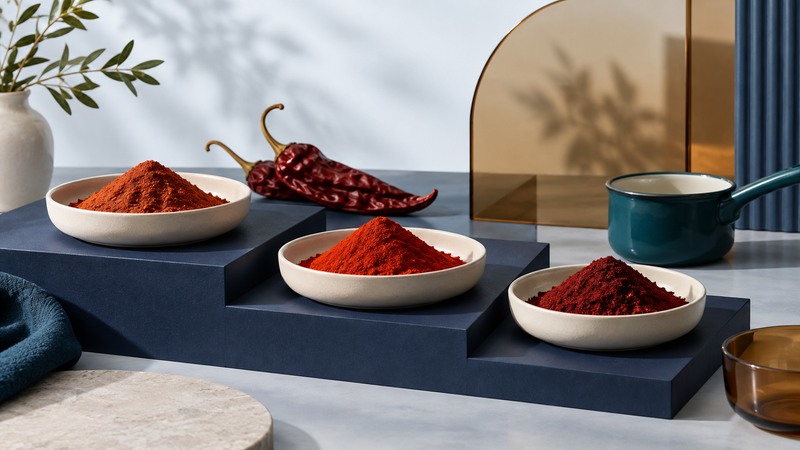
Paprika: Choosing Sweet, Hot and Smoked Styles
Read paprika labels, choose a suitable substitute, bloom the spice gently, and solve common heat, smoke and bitterness problems.
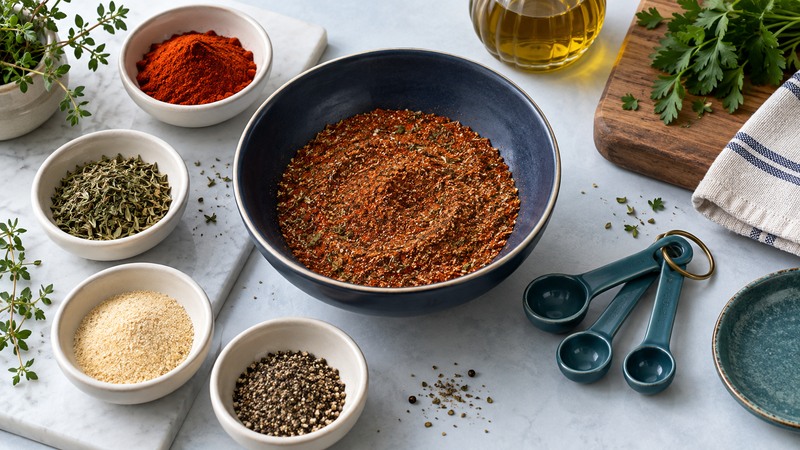
Cajun Seasoning: A Homemade Blend with Separate Salt and Heat Control
Mix a small Cajun-style seasoning batch, scale it accurately, adjust cayenne, and choose starting quantities for vegetables and dips.
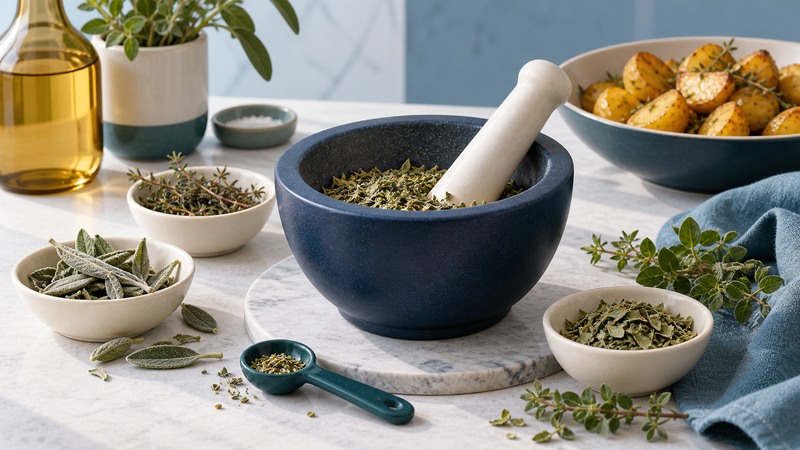
Poultry Seasoning: A Homemade Herb Blend, Substitutions and Uses
Make an original poultry-seasoning blend, scale the ingredients, choose sensible starting quantities, and use it beyond chicken and turkey.
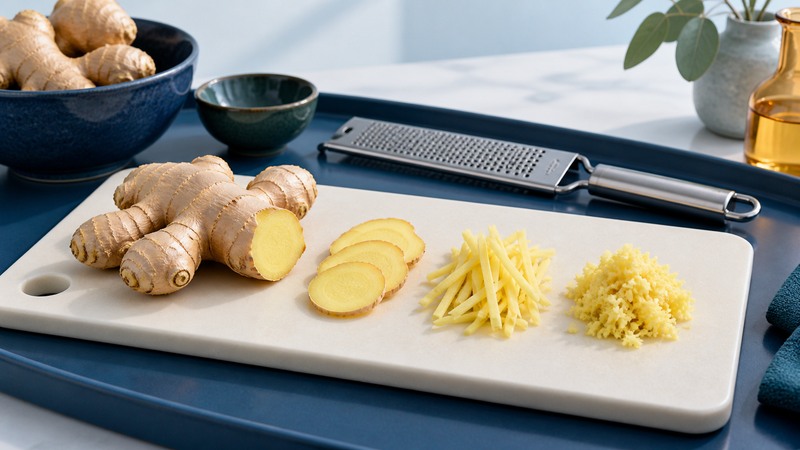
Ginger Root: Buying, Slicing, Grating, Freezing and Substituting
Choose fresh ginger, prepare coins, matchsticks or grated ginger, store leftovers, and make a carefully scoped ground-ginger substitution.
Baking, sweetness and aroma
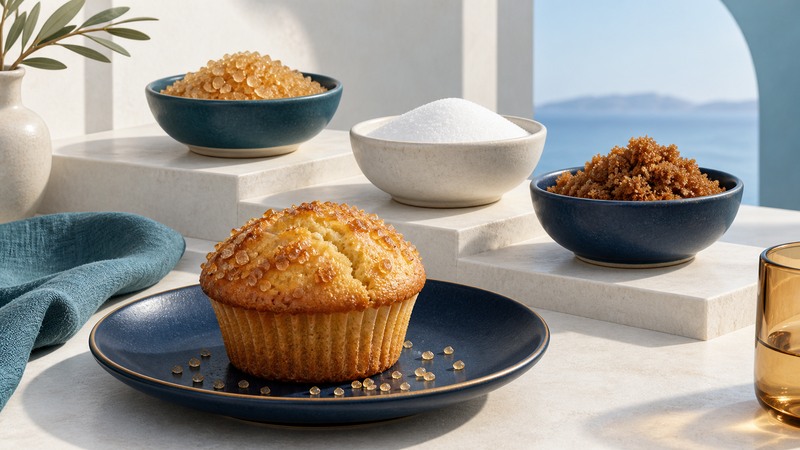
Turbinado Sugar: Crunchy Toppings, Baking Substitutions and Labels
Choose when to use turbinado sugar, understand crystal-size effects in baking, and compare its labels with white and brown sugar.
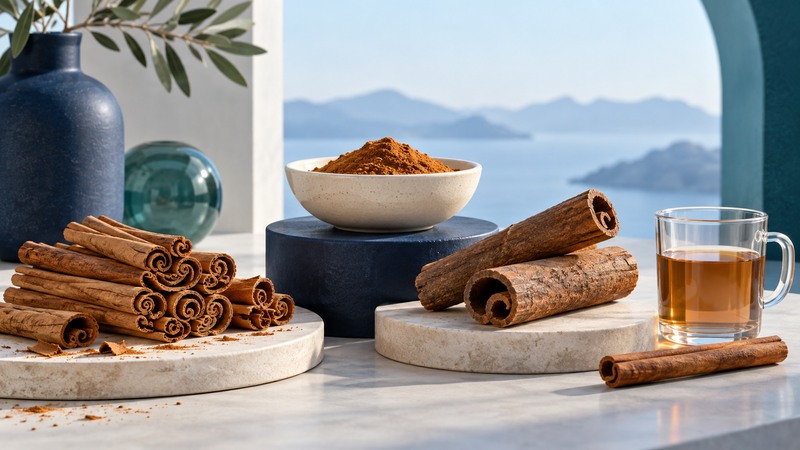
Cinnamon: Varieties, Sticks, Ground Spice and Kitchen Substitutions
Compare Ceylon and cassia cinnamon, choose whole or ground forms, and understand flavor, storage and supplement distinctions.
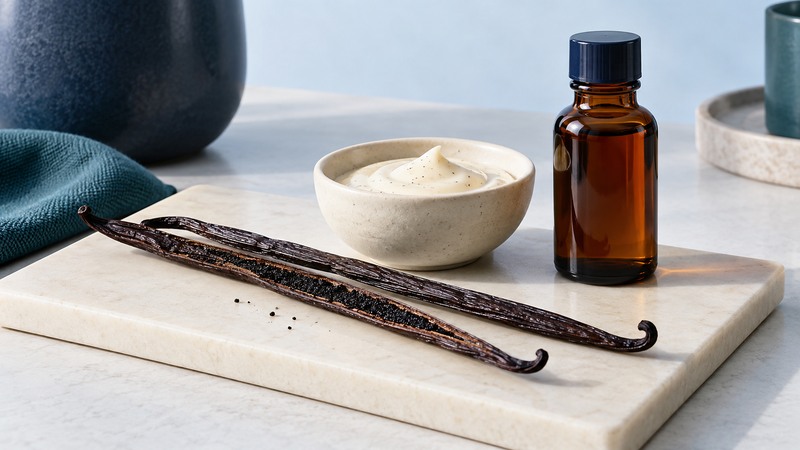
Vanilla Beans: Scraping, Infusing, Storage and Extract Substitutions
Use a whole vanilla bean effectively, compare extract and paste, and make a substitution based on the actual product and recipe.
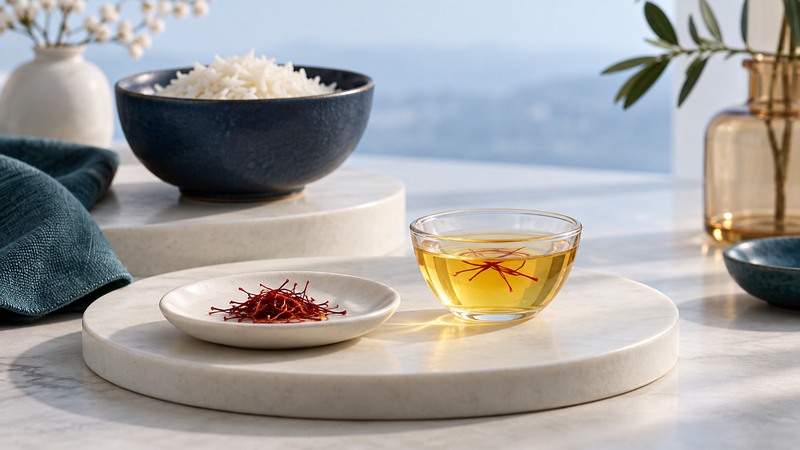
Saffron: Buying Threads, Blooming and Cooking with Measured Amounts
Choose saffron with useful source information, bloom threads in liquid, account for that liquid in rice, and understand authenticity-check limits.
Kitchen ingredients and health claims
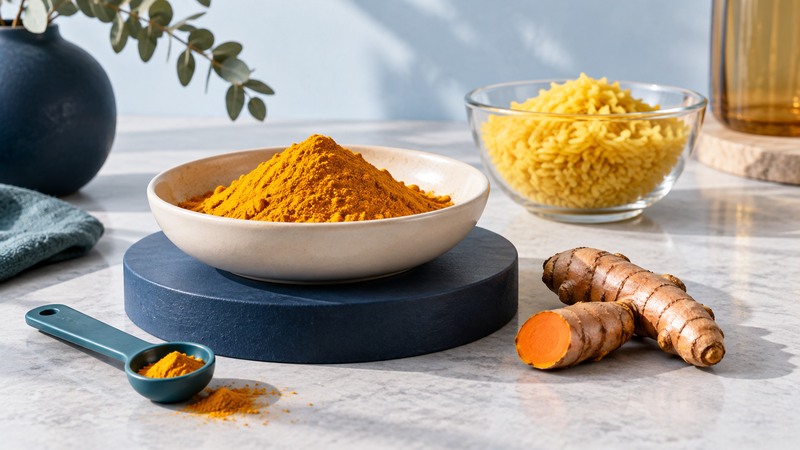
Turmeric: Cooking Uses, Fresh and Ground Forms, and Health Evidence
Use turmeric for flavor and color, choose fresh or ground forms, and understand the limits of curcumin and supplement claims.
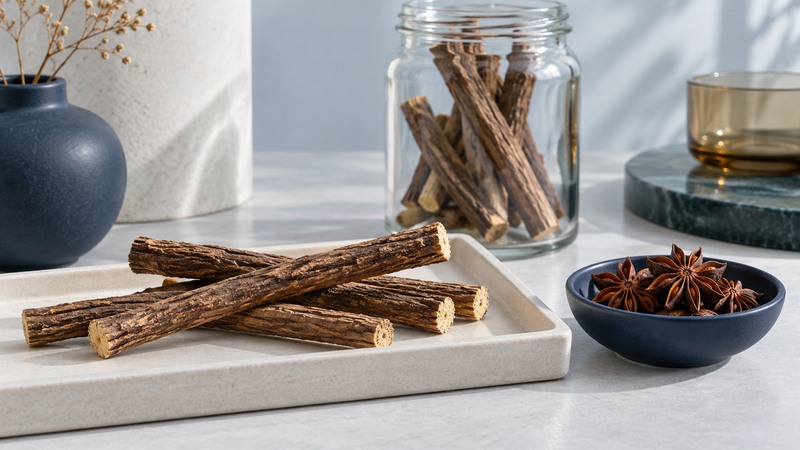
Licorice Root: Flavor, Product Labels, Glycyrrhizin and Safety
Distinguish licorice root from anise flavoring, read tea and supplement labels, and recognize safety questions that need professional advice.
More ingredient profiles
These shorter entries introduce other ingredients. Some retain older product descriptions; they provide background rather than complete cooking or health guidance.
Allspice
A brief introduction to the dried berry and its uses in baking and pickling.
Black Cardamom
A short profile of smoky cardamom pods and their use in rice.
Capers
A brief introduction to cured flower buds as a salty, tangy ingredient.
Capsicum
An older pepper-condiment product profile.
Caraway Seed
A short introduction to caraway flavor and common uses.
Celery Salt
A brief product profile with a drink-rimming use.
Cloves
A short overview of whole and ground cloves in sweet and savory food.
Galangal
A brief introduction to the rhizome in Southeast Asian cooking.
Ginger Spice
An older profile focused on candied ginger.
Hungarian Paprika
An older hot-paprika product profile; use the guide above for broader comparisons.
Makrut Lime Leaves (Kaffir Lime Leaves)
A brief profile of the aromatic leaves also known as makrut lime leaves.
Mustard Seed
A short introduction to whole yellow mustard seed and its uses.
Nutmeg
A brief profile of ground nutmeg in baking and savory dishes.
Smoked Paprika
A short profile of smoked sweet paprika.
Thai Basil
A brief introduction to Thai basil leaves.
Wasabi
A short prepared-wasabi product profile.