Explore geography through a map you can make, an Earth observation you can interpret, or a journey you can trace. These 25 guides connect places with the measurements, images, and historical sources that help explain them.
Choose the question you want to explore below. Each section suggests a starting point; the related reading in each article helps you continue. Downloadable worksheets, notes, and sample data are marked on the guide cards.
Make and read maps
For an address-based project, start with Geocoding, then choose map colors and plan how to share the result. For an image or terrain question, start with Earth Imaging or Reading 3D Maps.
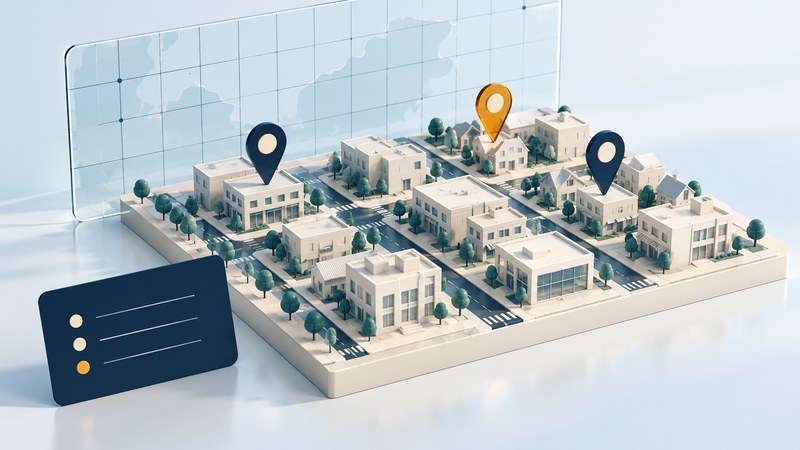
Geocoding: Turn Addresses into Coordinates You Can Check
Prepare address records, try a public Census example, audit matches, and document the location detail and limits of the results.
Includes a geocoding audit worksheet.
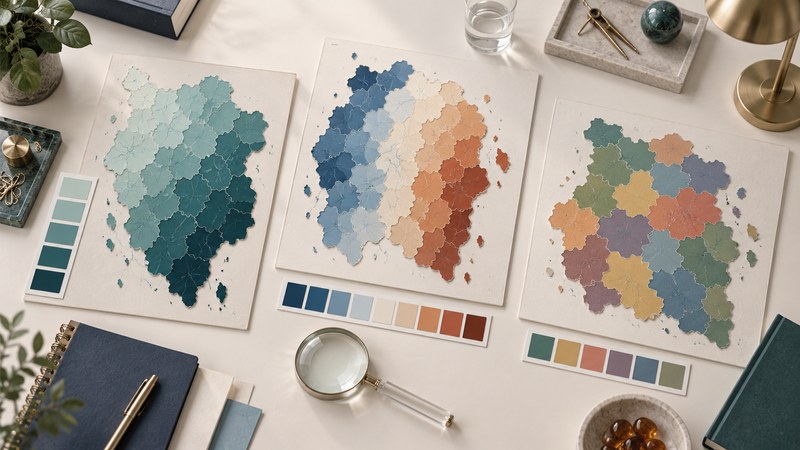
Map Colors with ColorBrewer: Choose, Classify, and Check
Choose sequential, diverging, or qualitative map colors, build a reproducible legend, and check the finished map for readability.
Includes a palette review worksheet.
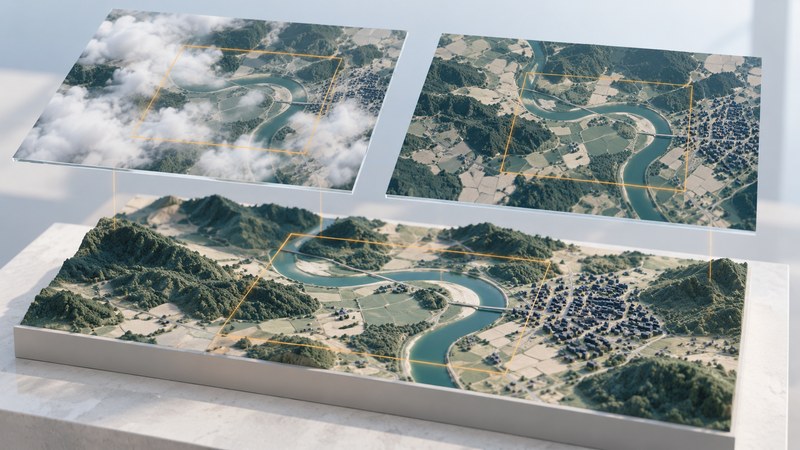
Earth Imaging: Choose and Compare Satellite and Aerial Images
Select imagery by purpose, acquisition date, resolution, and processing level, then document a fair comparison between observations.
Includes an imagery comparison worksheet.
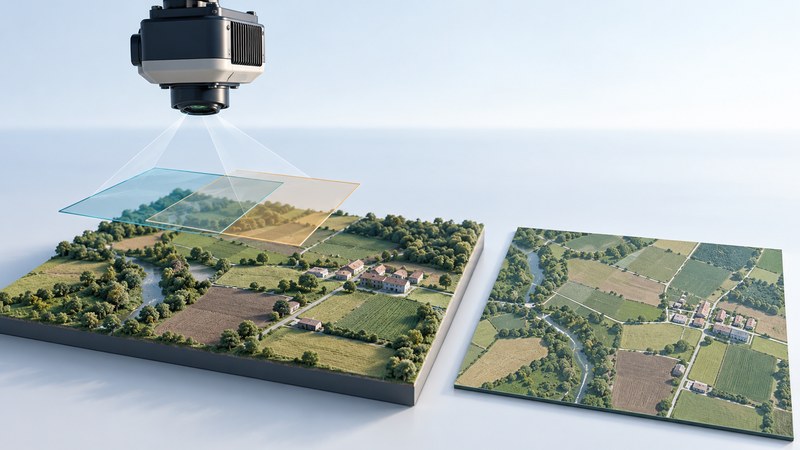
Digital Mapping Camera: From Aerial Images to a Usable Map
Understand ground sample distance, positional accuracy, orthorectification, and the evidence to request when reviewing aerial mapping imagery.
Includes an orthophoto review worksheet.
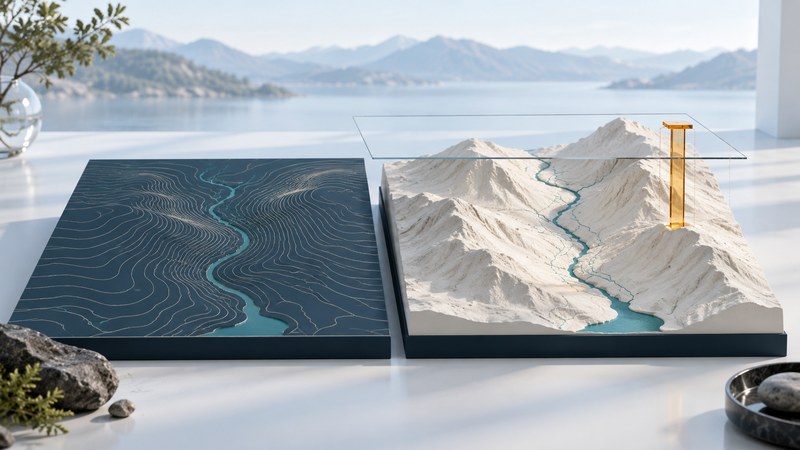
Reading 3D Maps: Terrain, Tilt, and Perspective
Navigate a 3D map, check its elevation surface and exaggeration, and compare views through a worked terrain-reading exercise.
Includes 3D view comparison notes.
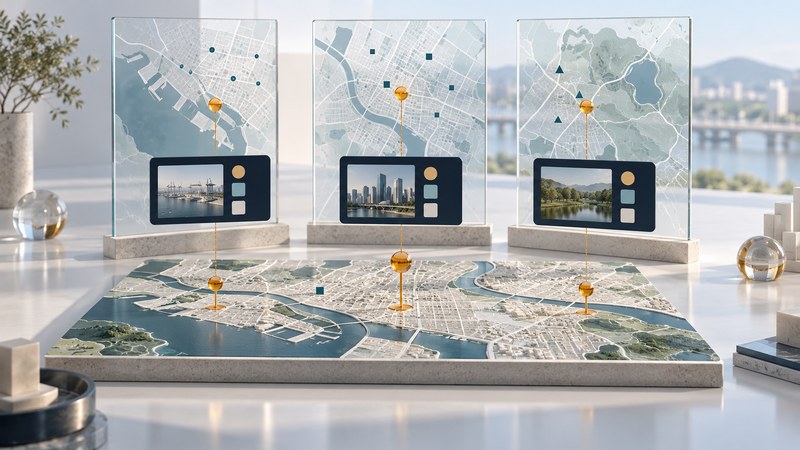
Enterprise Mapping: Build a Shared Map You Can Maintain
Define a shared map, validate record joins, choose map or feature access, and assign responsibility for permissions and data updates.
Includes a map release checklist.
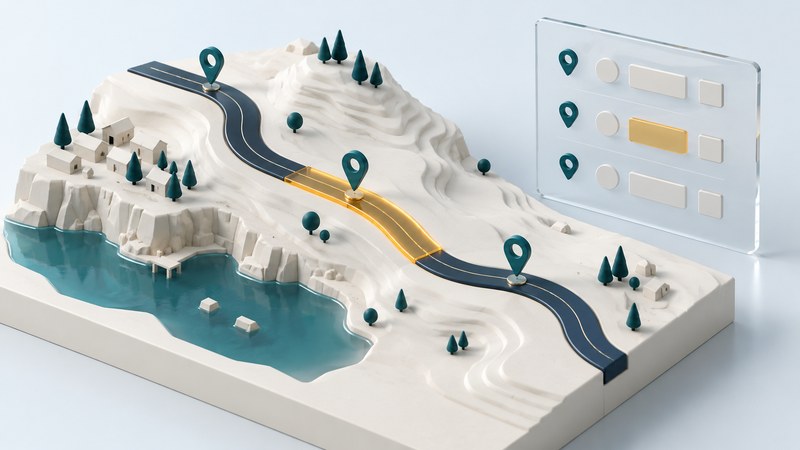
Transportation GIS: Routes, Milepoints, and Road Assets
Locate point and segment events along a measured road, work a fictional overlap example, and check route identifiers, units, and network versions.
Includes a sample CSV and exercise instructions.
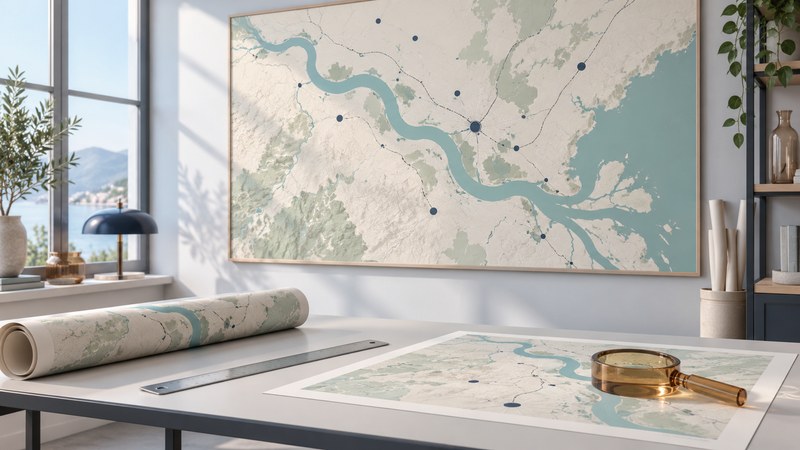
Wall Maps: Choose the Scale and Check the Print
Choose a wall map for its purpose and viewing distance, calculate its printed footprint, and check a full-size proof.
Includes a print proof checklist.
Understand water, ice, and land
Start with Sea Level Rising to connect water-level measurements with land motion. Use the regional cases to compare observations at different scales, from a river plume or iceberg to a basin or submerged ridge.
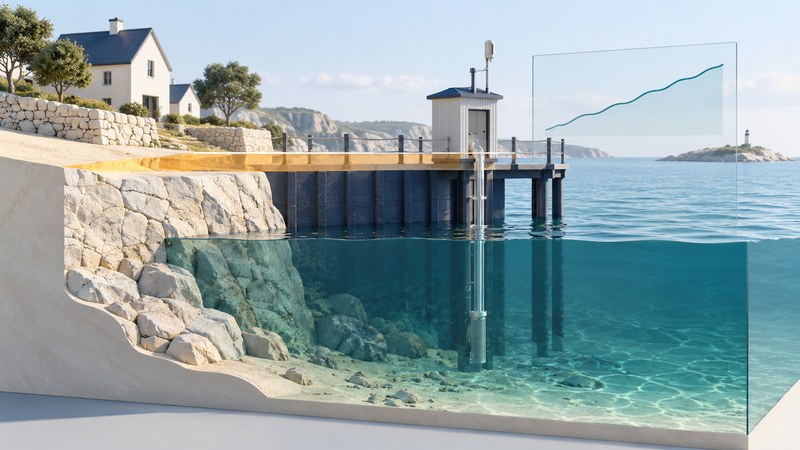
Sea Level Rising: Read Local Trends and Future Scenarios
Understand ocean change and land motion, interpret a tide-station record, and keep historical trends separate from future scenarios.
Includes a station-reading and scenario worksheet.
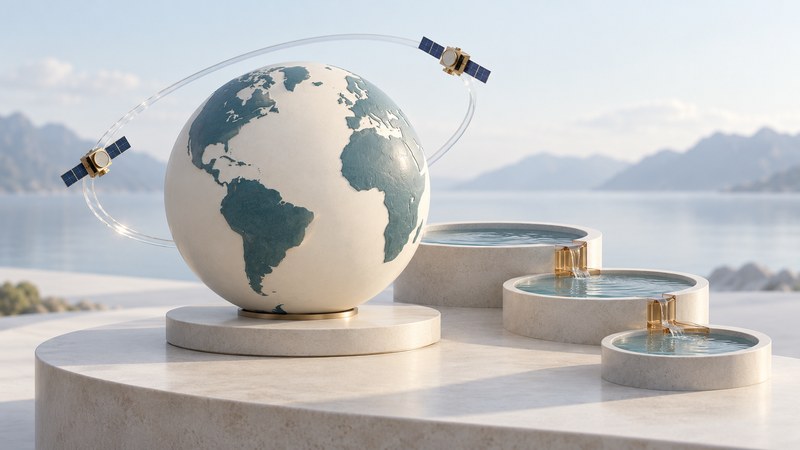
Earth’s Changing Gravity Field: Reading Water and Mass Changes
Interpret gravity-derived mass maps by checking their quantity, baseline, units, geographic scale, and uncertainty.
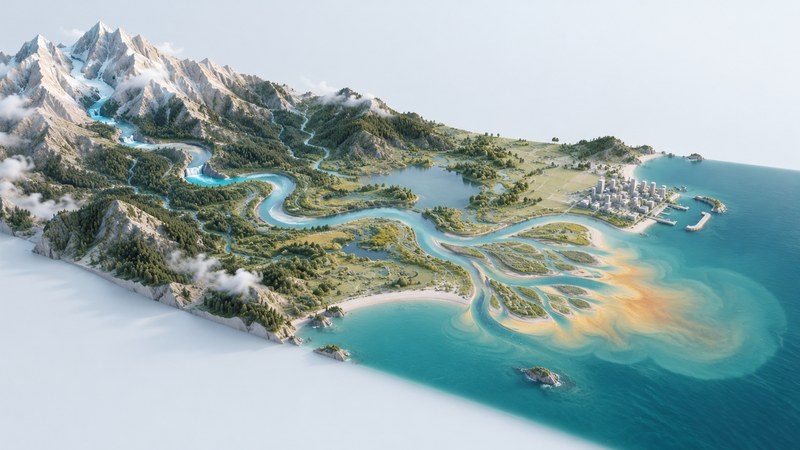
Yangtze River: From Drainage Basin to Sediment Plume
Trace the Yangtze basin to the East China Sea and learn what dated satellite images reveal about lakes, sediment, and coastal processes.
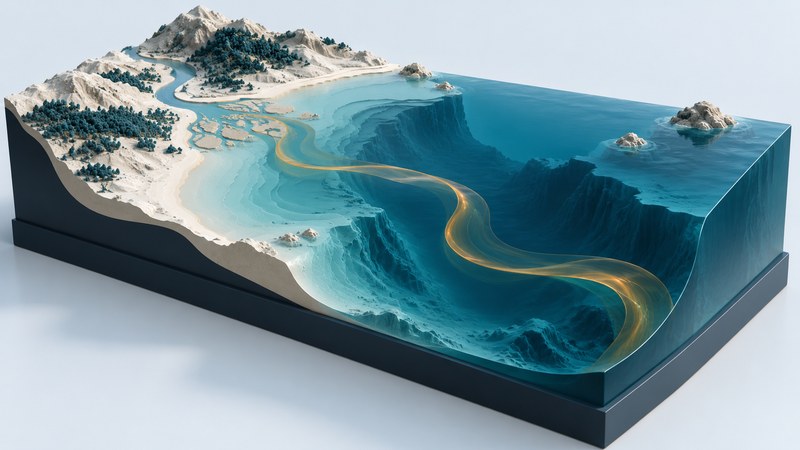
Gulf of Mexico: Basin, Currents, and Coastal Geography
Locate the Gulf basin and its gateways, understand circulation and coastal processes, and choose the right evidence for reading ocean maps.
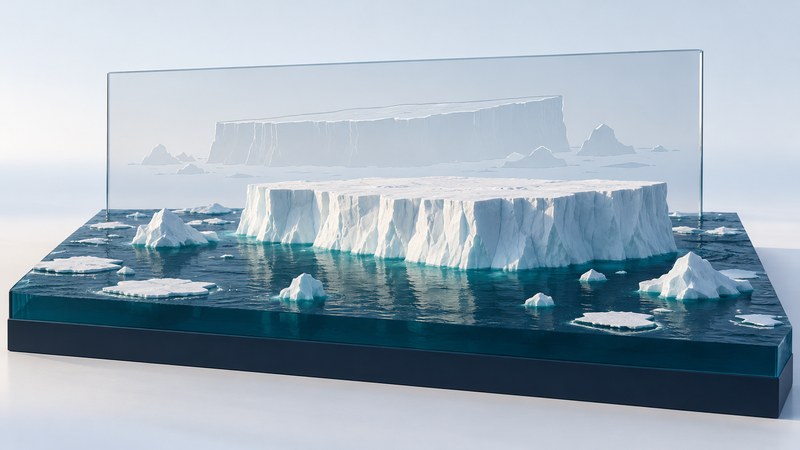
Reading Iceberg Pictures: Scale, Movement, and the B-15 Story
Identify iceberg fragments, compare dated satellite pictures, and separate visible ice changes from ecological measurements in the B-15 case.
Includes image-comparison notes.
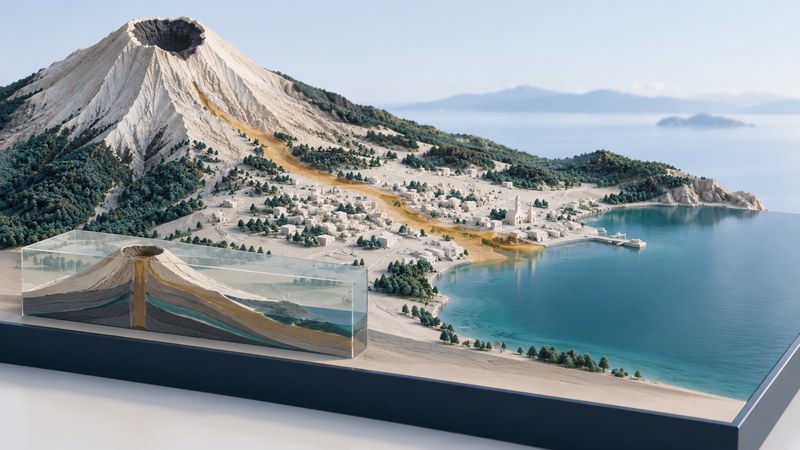
Goma and Nyiragongo: Volcano, City, and Lake
Locate Goma, Nyiragongo, and Lake Kivu, then compare a dated eruption map with satellite imagery from January 2002.
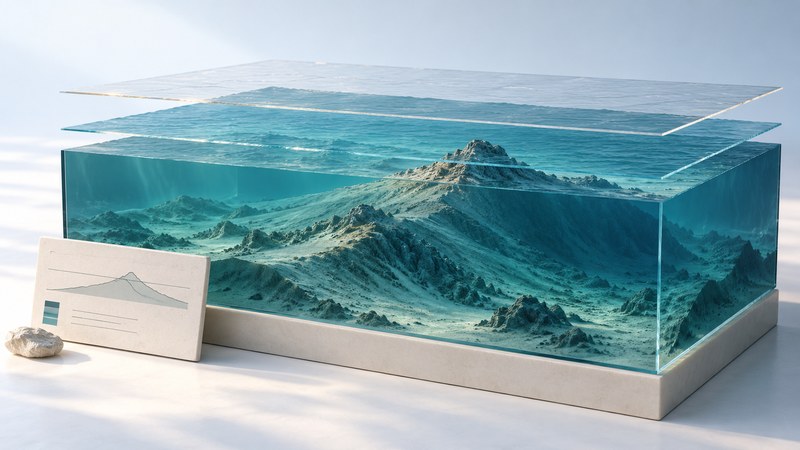
Isla Calafia: Evidence for a Submerged Island
Locate the Mid-Channel Anticline and learn how seabed observations, sea level, and land motion inform a former-island hypothesis.
Follow routes and expeditions
Start with Simplon Pass for a short terrain-reading exercise. Then compare how rivers, mountains, winds, and moving ice shape journeys. The expedition guides distinguish planned routes, completed stages, and the dates recorded by their sources.
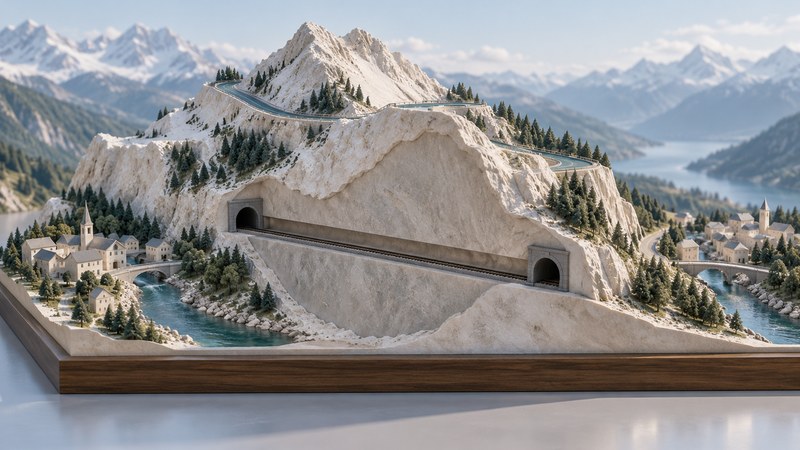
Simplon Pass: Reading an Alpine Transport Corridor
Trace the Simplon road and railway, compare their relationship to Alpine terrain, and interpret the corridor through maps and history.
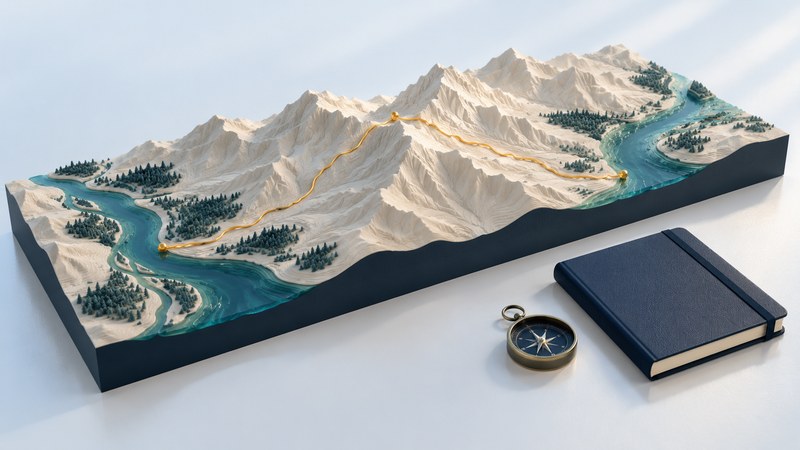
Lewis and Clark Geography: Rivers, Passes, and Route Maps
Trace the expedition through river systems and mountain crossings, include Indigenous geographic knowledge, and compare historical and modern maps.
Includes route-comparison notes.
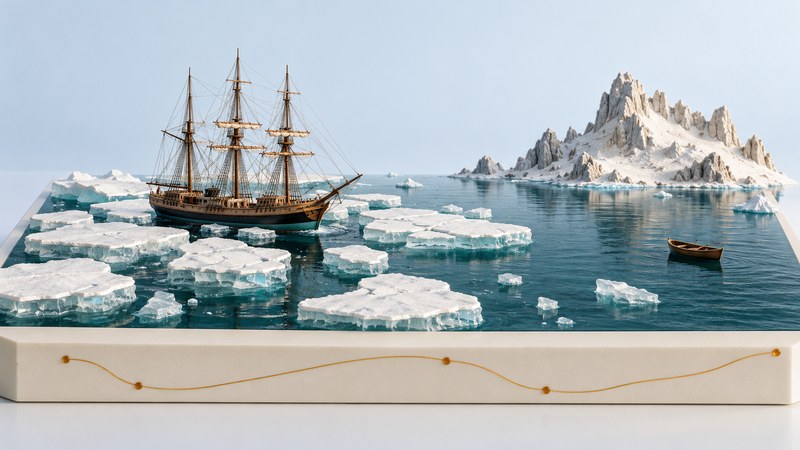
Shackleton’s Endurance Expedition: Route, Ice, and Photographs
Follow the Endurance party from the Weddell Sea to Elephant Island and South Georgia, using a dated route and documentary photographs.
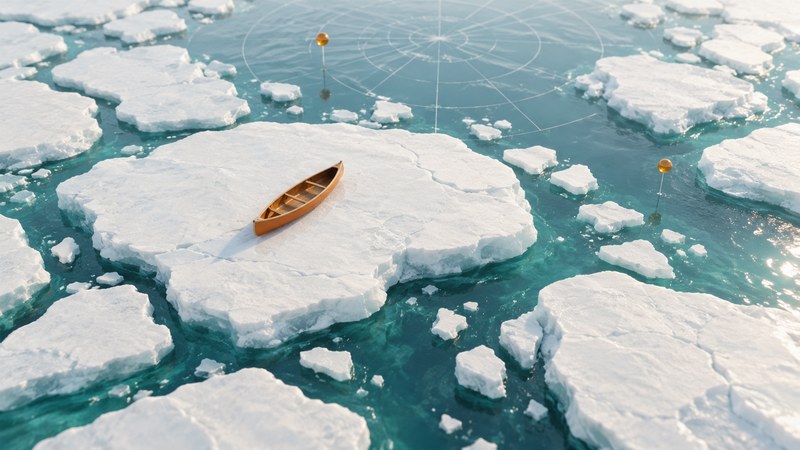
The One World Expedition: Plans, Outcomes, and Moving Sea Ice
Separate the proposed Arctic crossing from the completed 2006 North Pole journey, and understand how drifting ice changes geographic progress.
Includes route evidence notes.
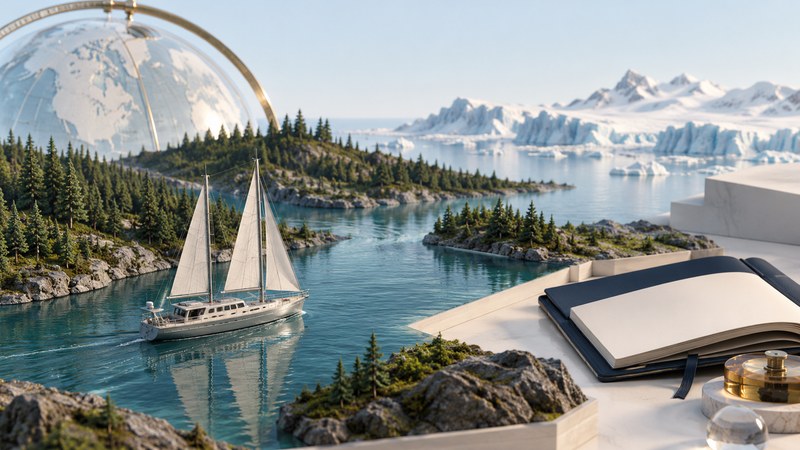
Sir Peter Blake: Sailing Routes and Environmental Expeditions
Follow Blake’s sailing and environmental journeys, compare geographic scales, and separate voyage observations from future plans.
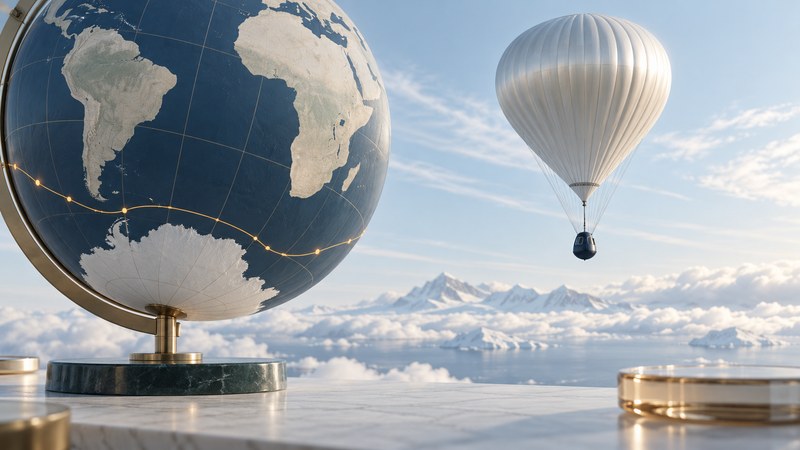
Steve Fossett’s Spirit of Freedom: Reading the Round-the-World Route
Follow Fossett’s 2002 balloon journey through winds, longitude, and dated reports, separating the circuit milestone from the landing.
Includes flight-source notes.
Read photographs and cultural evidence
Start with the Rukhshana School photograph to practice separating visible details, a dated caption, and later context. Continue with a portrait, a historical map, or a festival to examine how people and places are represented.

Rukhshana School in 2002: Reading a Historical Photograph
Read a Kabul classroom photograph through its visible details, Army caption, reconstruction context, and the limits of comparison across time.
Includes historical photograph notes.
Sharbat Gula and the Afghan Girl Photograph: Place, History, and Evidence
Place the portrait and its 2002 identification in context, distinguish kinds of evidence, and keep Sharbat Gula’s reported perspective in view.
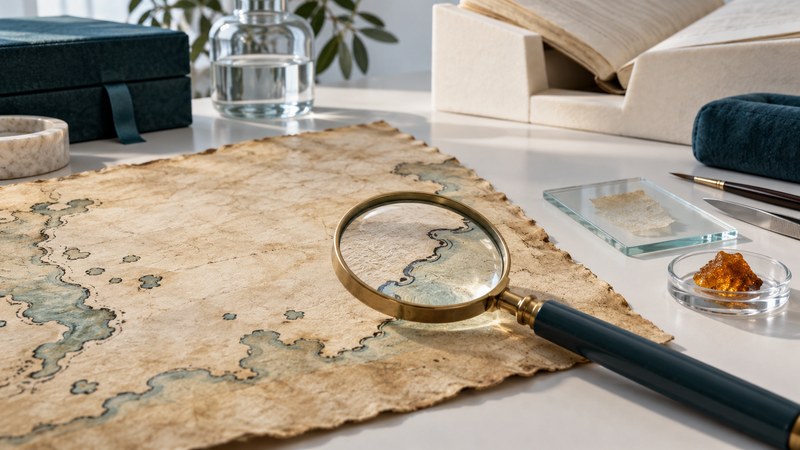
Vinland Map: The Picture, the Forgery, and the Evidence
Understand what the Vinland Map depicts, how its parchment and ink were evaluated, and how to separate the artifact from evidence of Norse travel.
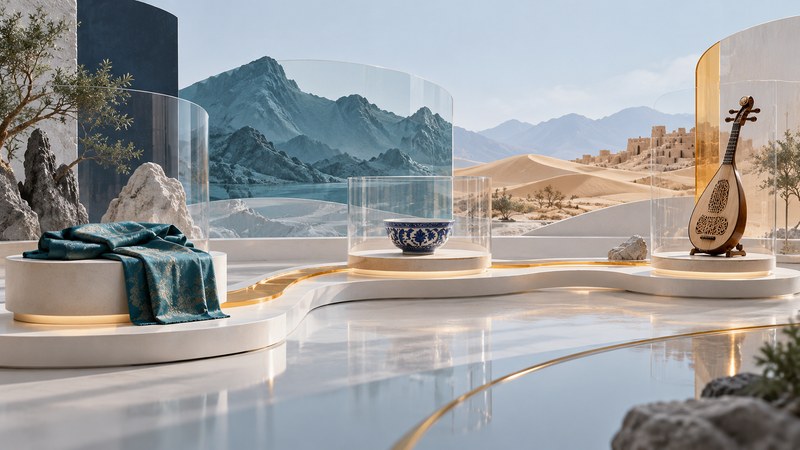
The 2002 Silk Road Festival: Geography Through Cultural Exchange
Explore the Smithsonian festival’s layout, crafts, and program to connect places with evidence of cultural exchange.