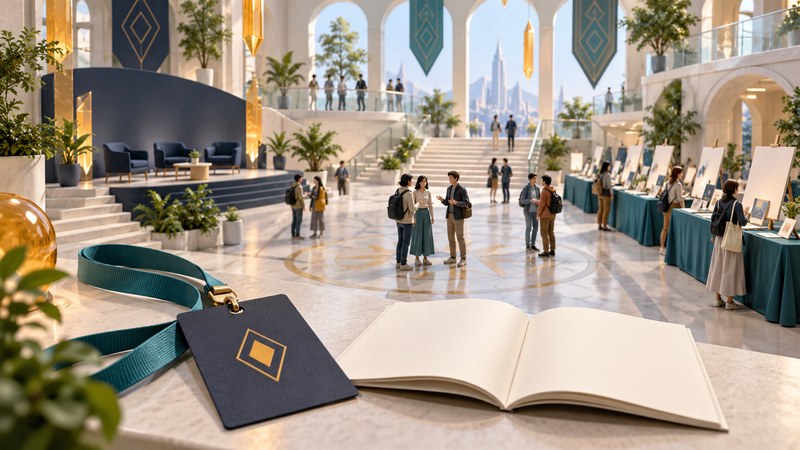
A fan convention gives a shared enthusiasm a place to gather. Stories that usually arrive through a screen or a page become conversations across a table, questions from an audience, costumes in a hallway, and friendships formed around a familiar detail. For a few days, the people who care about an imagined world help make a community around it.
A shared interest becomes a place
Anime, comics, games, science fiction, and other forms of popular culture offer worlds large enough to explore for years. A convention brings some of that exploration into a shared physical space. Someone recognizes the small symbol on a bag; a conversation begins with a favorite scene; an unfamiliar artist offers a new way of seeing a character you thought you knew.
That sense of recognition can be valuable in itself. You can spend time with people who understand the excitement of a new story or the patience behind a carefully made costume. Participation can be as expressive as a stage performance or as quiet as listening from the back of a panel room. Curiosity provides a good starting point.
Each gathering has a particular focus and character. Otakon describes its purpose as celebrating Asian popular culture and its fandom, with volunteers organizing the event through Otakorp. Its mix of animation, manga, music, film, and games illustrates how many creative interests can meet within one convention.
Meeting the people behind the work
A guest conversation can make a finished work feel more richly human. A voice performance comes from choices about timing and intention. An animated movement passes through drawings, revisions, and coordination. Translation asks someone to carry a meaning between languages while attending to tone and context. Hearing people discuss those decisions gives an audience something new to notice the next time they watch or read.
A useful question starts with attention. Ask how a performer approached a particular kind of scene, how an artist developed a visual idea, or what changed between an early plan and the finished work. Leave room for the speaker's answer and for other people to participate. A short, specific question can open a much larger conversation about craft.
Conventions also create opportunities to encounter work beyond the best-known names. An artist's table, a fan-led discussion, or a small workshop may introduce a technique or story that becomes the most lasting discovery of the weekend. Looking at how something was made can be as rewarding as recognizing who made it.
Leave room for discovery
A full program invites choices. It helps to arrive with a few things you especially want to experience and enough open time to follow an unexpected interest. The conversation after a panel, a game explained by a patient player, or a display you pause beside may give the day its particular shape.
Try choosing one familiar subject and one unfamiliar one. A longtime animation fan might attend a discussion of a favorite series, then explore a presentation on translation or music. A first-time visitor might watch a costume event and later ask an artist about their process. These small departures from a familiar path let a convention broaden an interest as well as celebrate it.
The spaces between scheduled activities matter, too. A meal, a quiet seat, or an unhurried walk gives you time to take in what you have seen. Leave enough room in the day for conversation and rest. A memorable visit can be built around a handful of experiences that receive your full attention.
Make the day your own
Before setting out, use the organizer's current information to check the program, registration terms, venue access, and any separate reservations for activities. Review accessibility arrangements early enough to ask questions about the support you need. For Otakon, begin with the official event website, which links to its schedule, travel information, and member accessibility details. Guest announcements and photographs from earlier years belong to the history of those events.
Build a simple plan around your priorities. Choose two or three anchor activities, allow time to move between rooms, and keep an alternative in mind if a session is full or changes. Agree on a meeting place with friends. Set a spending limit that includes food and travel as well as anything you hope to buy. Small practical decisions make it easier to enjoy what happens once you arrive.
Courtesy helps everyone share the space. Ask before taking a portrait, give people room to pass, and respect a person's wish to pause or decline a conversation. Follow staff directions and the event's current rules. When enthusiasm makes it tempting to rush, a little patience protects the experience for the people beside you.
Afterward, the souvenirs may include a drawing, a photograph, a recommendation, or a question you want to pursue. Write down the name of the artist whose work interested you or the book mentioned in a discussion. A convention can become a starting point for what you make, read, and share next.
From the convention collection
These twenty selections preserve earlier Otakon coverage: a cosplay gallery and guest announcements published in 2017 and 2018. Names, roles, and appearances in the linked pieces reflect their publication dates. For upcoming guests and event details, consult the organizer's current information.
20 Otakon Cosplays
A gallery of cosplay photographed at Otakon 2016, published in 2017.
Cherami Leigh will be a Guest at Otakon 2018
A 2018 guest announcement outlining voice, screen, and game work.
Anime Artist Chris Niosi at Otakon 2017
A 2017 guest announcement about animation, online storytelling, and voice work.
Builder of Bridges between Cultures Frederik L. Schodt at Otakon 2017
A 2017 guest profile exploring writing, translation, and cultural exchange.
Voice Actor Johnny Yong Bosch at Otakon 2018
A 2018 guest announcement with selected live-action and voice roles.
Voice Actor Josh Grelle at Otakon 2018
A 2018 guest announcement with anime voice credits as reported at the time.
Voice Actor Kyle Hebert at Otakon 2017
A 2017 guest announcement highlighting anime voice work.
Voice Actor Kyle McCarley at Otakon 2018
A 2018 guest announcement covering anime and video game performances.
Studio Trigger President Masahiko Otsuka at Otakon 2018
A 2018 guest announcement discussing animation work and Studio Trigger.
Voice Actor Michael Sinterniklaas at Otakon 2017
A 2017 guest profile spanning voice acting, direction, and audio production.
Gurren Lagann's Yoko Littner Voice Actress Michelle Ruff at Otakon 2017
A 2017 guest announcement featuring Yoko Littner and other anime roles.
Animation Producer Naoko Tsutsumi at Otakon 2018
A 2018 guest announcement about animation production and Studio Trigger projects.
Ray Chase Will Appear at Otakon 2018
A 2018 guest announcement covering performances in games and anime.
Japanese Pop Culture Writer Roland Kelts at Otakon 2017
A 2017 guest announcement introducing the author of Japanamerica.
Anime Voice Actor Shimba Tsuchiya at Otakon 2017
A 2017 guest announcement about anime voice acting.
Ponycan Anime Producer Takanori Matsuoka at Otakon 2017
A 2017 guest announcement discussing production work with Pony Canyon.
Anime Producer Tetsuya Kinoshita at Otakon 2017
A 2017 guest announcement highlighting anime production work.
Voice Actor Tony Oliver at Otakon 2017
A 2017 guest announcement covering a career in voice performance.
Anime and Video Game Voice Actor Tyson Rinehart at Otakon 2017
A 2017 guest announcement about voice work in anime and video games.
Animator Yoh Yoshinari at Otakon 2018
A 2018 guest announcement about animation and work at Studio Trigger.