
Start with what you need to do: clear a path, choose equipment or plan time outdoors. These guides connect practical choices with the conditions, instructions and local information that matter. For an active storm, follow current official warnings and local directions.
Clear driveways and paths
Choose a hand tool for the access you need, compare powered equipment for the whole property, or build a care routine for a machine you already own.
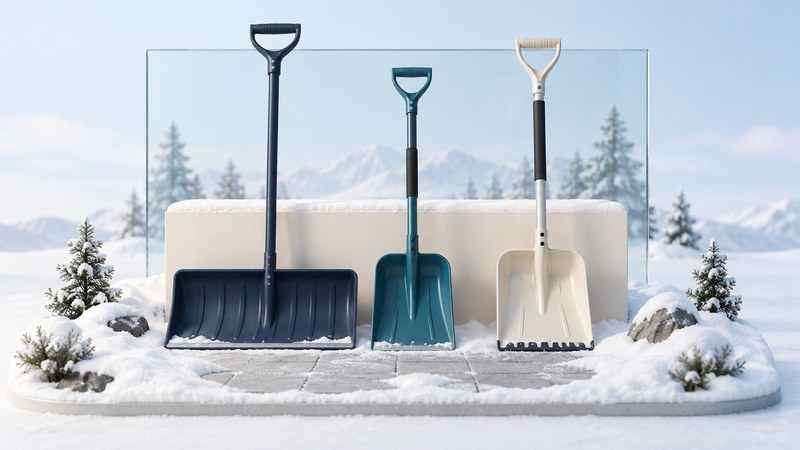
Snow Shovels: Choose a Pusher, Scoop or Combination Tool
Match a shovel to your paths, snow and storage, then make a manageable clearing plan.
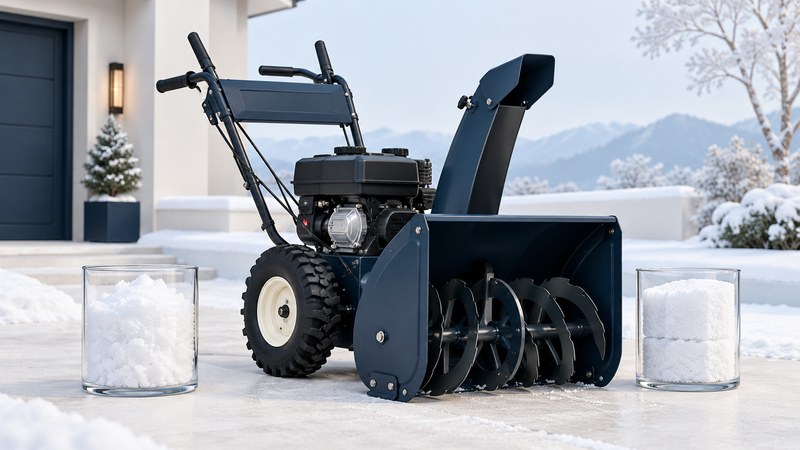
Snow Blowers: Choose Equipment for Your Driveway and Snow
Compare machine stages, power sources, surface compatibility and handling before selecting a snow blower.
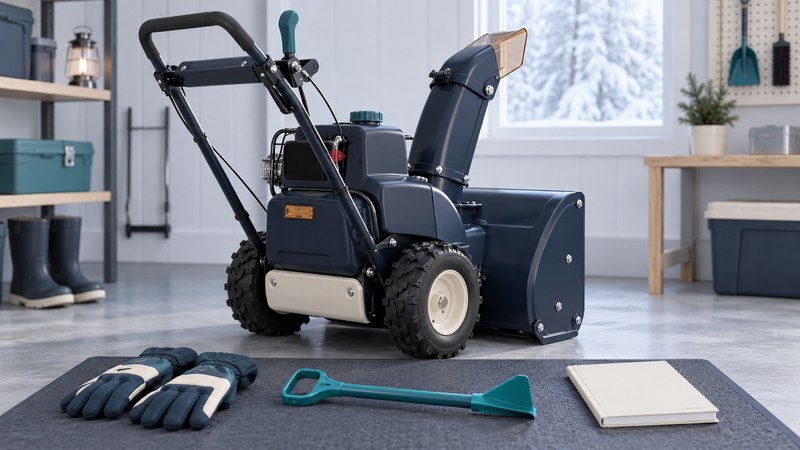
Snow Throwers: Preparation, Operation and Seasonal Care
Build a manual-led checklist for preparing, using, stopping and storing your snow thrower.
Get outside in winter
Plan the first outing around instruction, suitable equipment and a place that welcomes the activity. Each guide identifies the questions to resolve before setting out.
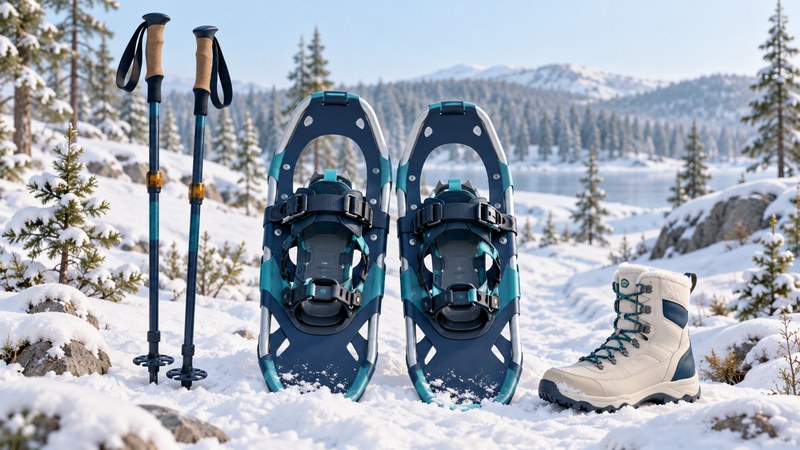
Snowshoeing for Beginners: Gear, Routes and Your First Outing
Choose snowshoes for your load and terrain, check winter conditions and plan a manageable first walk.
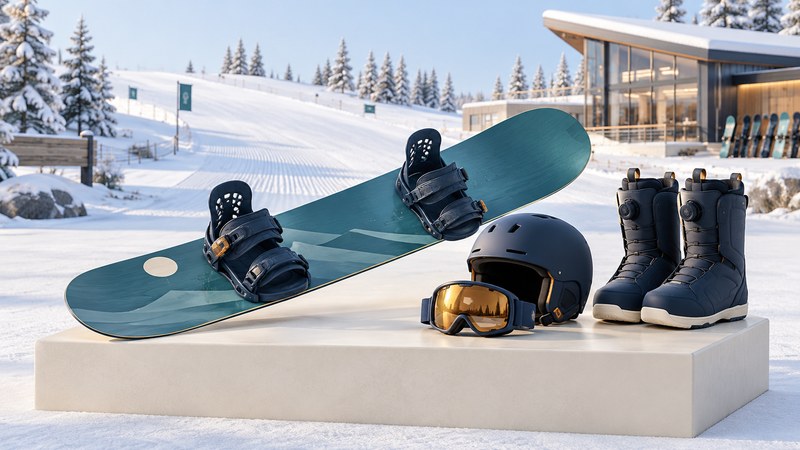
Your First Snowboarding Day: Lessons, Rentals and Mountain Etiquette
Organize a first snowboard lesson, check rental and ticket details, and choose suitable beginner terrain.
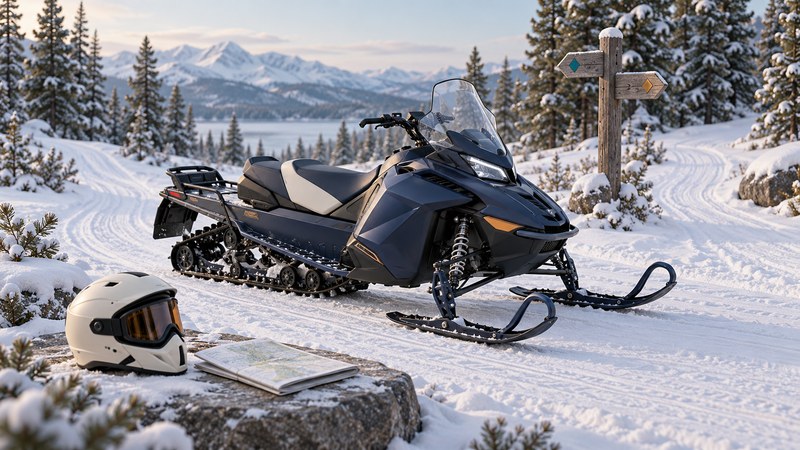
Snowmobiling: Plan a First Trail Ride and Evaluate an Older Machine
Plan training, trail access and a supported first ride, then check the service needs of an older snowmobile.

Snow Scooters: Types, Controls and Suitable Places to Ride
Identify the device, verify how it is controlled and check permission and terrain before riding.
Understand the snow and check conditions
Snow begins as ice crystals growing in clouds. Temperature and moisture shape the crystals as they grow, helping explain the variety of plates, needles and branching forms. NOAA’s explanation of snowflake formation connects those forms with the structure of ice and changing atmospheric conditions.
Once snow reaches the ground, its surface and layers continue to change. A pleasant-looking surface is only one observation. For mountain travel, use local avalanche forecasts and appropriate training to address terrain and snowpack decisions.
- Weather guides: forecasts, storm preparation and local observations — understand forecasts and organize a household response.
- Driving in the Snow: Trip Decisions, Vehicle Preparation and Emergencies — decide whether to travel and prepare for the route.
- National Weather Service winter resources — find official winter-hazard guidance and forecast links.
Sources checked October 11, 2026. Use current local information and the instructions for your actual equipment when planning an activity.