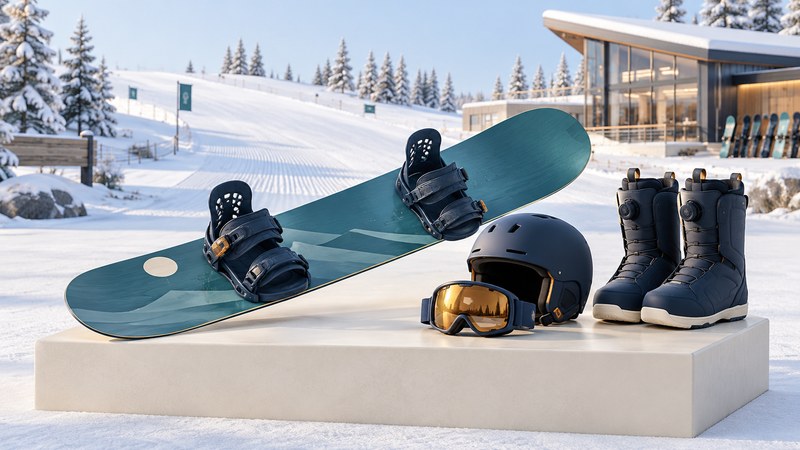
Plan your first day around a beginner lesson and enough time for fitting and check-in. The useful goal is to learn basic control on appropriate terrain and leave knowing what to practice next. A resort’s size or famous advanced runs tells you little about how convenient its beginner experience will be.
Book the whole beginner visit
| Part of the visit | Ask the resort |
|---|---|
| Lesson | Is it for first-time snowboarders of your age, and where and when do you meet? |
| Access | Which beginner lift or learning-area ticket is included, if any? |
| Rentals | Are board, bindings, boots and helmet included? When should fitting begin? |
| Conditions | What happens if weather affects the lesson, roads or lifts? |
| Arrival | Where are parking, rental pickup, lockers and the meeting point? |
Write the answers together with the reservation details. A cheap ticket can become a poor fit when the lesson, rentals or learning-area access must be bought separately. Check the current booking terms rather than assuming that two resorts package the day alike.
At Tamarack in Idaho, use the official skiing and snowboarding page for the trail map, conditions and lesson links, and Tamarack Outfitters winter rentals for equipment details. Check the season and visit date shown: published packages and hours can refer to a different winter.
Let the rental fitting do its job
Tell staff you are a first-time rider. Give the requested measurements and explain any fit concerns. Have them check the boots, board and bindings as a system; ask how the straps work and how to carry the board. Return for adjustment if a boot causes pain, numbness or uncontrolled movement.
Bring warm layers, a weather-resistant jacket and pants, suitable socks, gloves or mittens, goggles and a properly fitted snow-sport helmet. Confirm which items you must supply. Burton’s beginner guidance recommends rentals and professional instruction, with outerwear and protective equipment planned alongside the board itself.
Budget time for getting ready. Changing footwear, storing bags, using the restroom and reaching the meeting point all happen before the lesson begins. Keep reservation details and the group’s contact plan accessible.
Use the lesson to establish control
Ask the instructor to explain stopping, speed control, moving with equipment and the lift or conveyor you will use. Practice on the terrain they select. Before leaving the lesson, ask where to continue and which conditions would make that practice unsuitable.
Read the mountain’s trail-map legend and ask staff how to reach the learning area. Route choice includes the way back to the base. Follow signs and closures; entering a marked route does not establish that every pitch will match your current ability.
Plan a meeting point for companions with different skills. They can enjoy other terrain while you learn, then meet for a break. Reassess after the lesson: fatigue, weather and confidence should help decide whether to practice more or finish.
Share the slope deliberately
Read the resort’s posted responsibility code before riding. Its practical expectations include maintaining control, giving downhill users space, looking uphill before starting or merging, and stopping where you are visible and clear of traffic. Follow lift instructions and ask the operator for help when needed.
Tamarack’s resort policies provide its operating rules and reference the skier responsibility code. Apply the rules of the mountain you actually visit, including equipment retention and boundary policies. For an accident, alert patrol and follow its instructions; identify the location using trail names or markers.
Sources checked October 11, 2026. Use current local information and the instructions for your actual equipment when planning an activity.