Explore how people exercised power, built communities, fought wars and recorded their experiences. Start with an explanation, then follow its sources to see what supports the story and where interpretation begins.
Read historical evidence with a question in mind
Identify who made a source, when, for whom and for what purpose. Separate the event from the date of its account. Compare testimony, documents and material evidence, and keep disagreements visible. The guides below connect historical questions with documents, objects, places and competing interpretations.
Power, law and medieval society
Magna Carta Explained: The 1215 Charter and Its Later Legacy
Compare the charter's versions, read selected clauses and distinguish medieval protections from later ideas about rights.
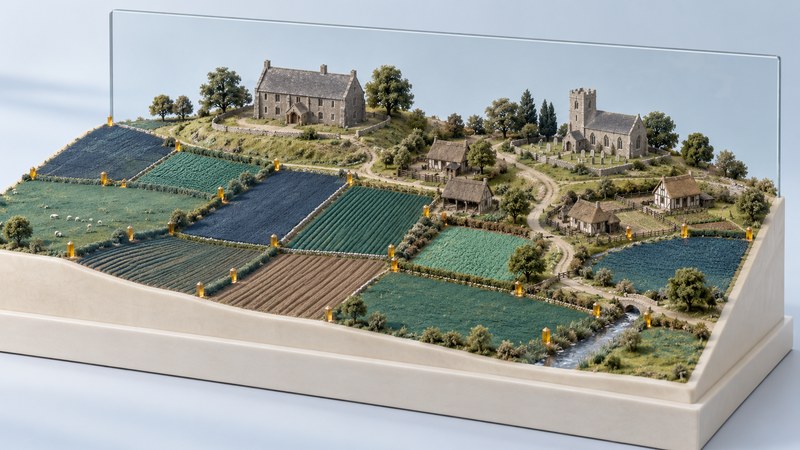
Feudalism Explained: Land, Lordship, and Obligations
Separate landholding, personal obligations and manorial organization using medieval documents and a clear reading method.

The Swiss Federal Charter of 1291: Agreement, Context, and National Symbol
Read the Swiss Federal Charter of 1291 through selected provisions, medieval obligations and its later role in national memory, with a link to the English translation.
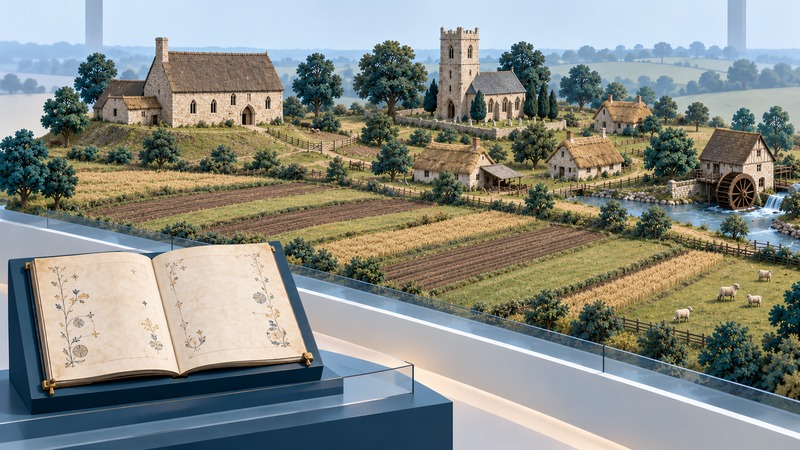
Feudal England: Land, Power, and Everyday Life, 1066–1381
Trace English landholding, manorial life and changing labor relations through Patcham in Domesday Book, medieval records and the conflicts of 1381.
War and political change

Battle of Britain: How the Air Campaign Unfolded in 1940
Follow changing targets, trace the detection-to-interception process and evaluate campaign evidence.

Pearl Harbor: The Attack, Its Consequences, and Its Remembrance
Follow the December 7, 1941 attack, understand the losses and aftermath, compare historical sources, and find official Pearl Harbor visitor information.

A History of the Taliban: Origins, Rule, Insurgency, and Return to Power
Trace the Taliban from the Afghan civil war to its return in 2021, distinguish the main actors, and read a dated overview of governance and civilian life.

The Clash of Civilizations: Huntington’s Argument and the Debate
Understand Huntington’s argument, compare criticism and reported research findings, and frame a fair test of a claim about cultural identity and conflict.
Peoples, places and encounters

Great Dismal Swamp: Maroon Communities and the Search for Freedom
Distinguish passage from settlement and compare testimony, archaeology and landscape evidence about freedom.

Moctezuma II: Mexica Power and Conflicting Accounts of the Conquest
Meet the ruler also known as Montezuma and compare what Spanish and Nahua accounts report and leave uncertain.

The Cantabri: Communities, Roman Conquest, and Archaeological Evidence
Interpret ancient accounts of the Cantabri, evaluate proposed Roman camps, and distinguish excavated remains from reconstructions at Julióbriga.
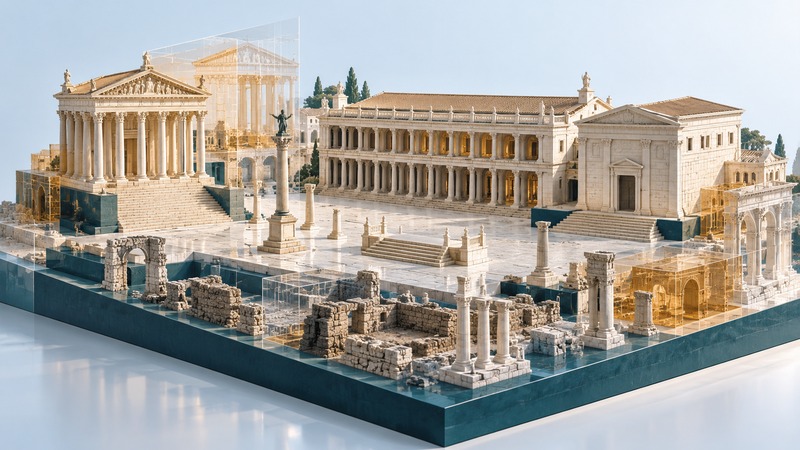
The Roman Forum: Public Life, Monuments, and Layers of History
Connect Roman Forum monuments with civic life, follow their changing uses, and read the Curia Julia through its construction and rebuilding.

Lee Castle: Architecture, Landscape, and the History Behind the Name
Read Lee Castle through its building listing, designed landscape and historical maps, while distinguishing architectural phases and conflicting record dates.

Lewis and Clark’s Bicentennial Exhibition: Objects, Encounters, and Interpretation
Revisit the Lewis and Clark bicentennial exhibition through selected objects, collection records and attributed Indigenous accounts of the encounter.
Technology and material culture
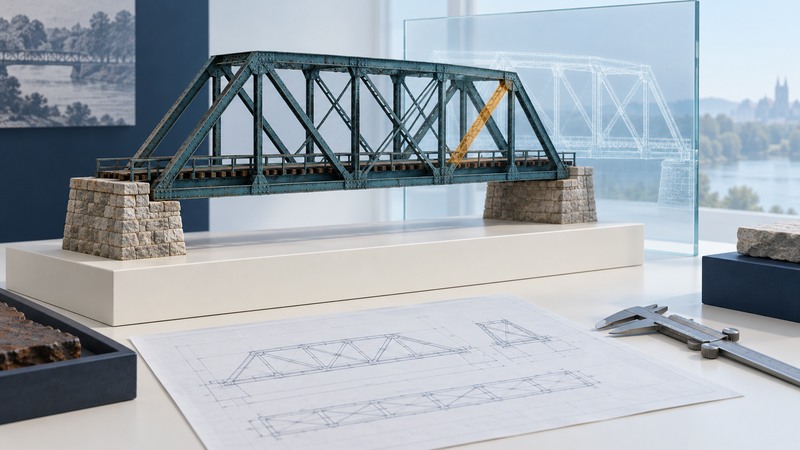
Industrial Archaeology: Reading Machines, Buildings, and Engineering Records
Use photographs, measured drawings and historical records to study industrial sites, with a Bollman bridge example and a method for documenting reconstructions.
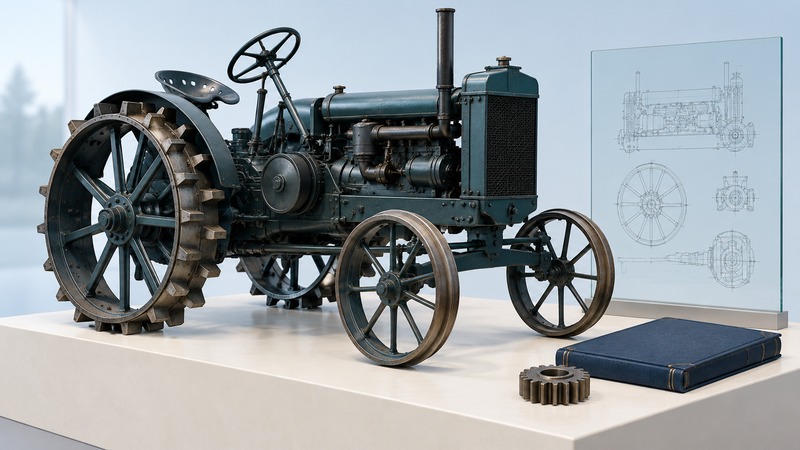
Early John Deere Tractors: Dain, Waterloo Boy, and the Model D
Place early John Deere tractors in sequence, examine a Smithsonian Waterloo Boy record, and connect engineering development with farm work and preservation.
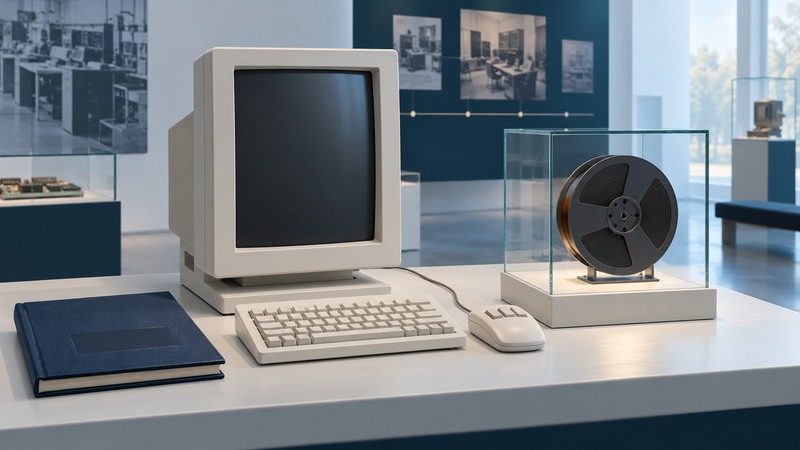
Computer History Museum: Exploring Computing Through Objects and Oral Histories
Explore the Computer History Museum through an Alto object record, Larry Tesler oral history and software evidence, with a practical route for research or a visit.
Lives, letters and ideas

Jacqueline Kennedy’s Letters: Context, Correspondence, and Historical Evidence
Read Jacqueline Kennedy’s correspondence through a letter to Khrushchev, White House restoration records and the editorial history behind archival texts.

Andronicus of Rhodes and the Transmission of Aristotle’s Works
Compare ancient testimony about Andronicus, distinguish editorial activities, and trace the choices behind a modern edition of Aristotle.