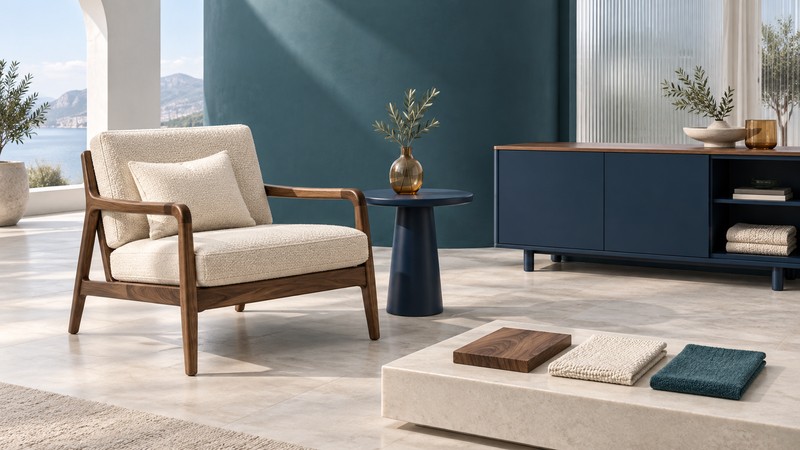
Start with the decision in front of you: choose a chair, prepare a furniture project, organize a wall or wardrobe, improve a product-care routine, or look more closely at a museum object. These guides connect practical checks with manufacturer documentation and historical evidence.
Choosing, making, and maintaining
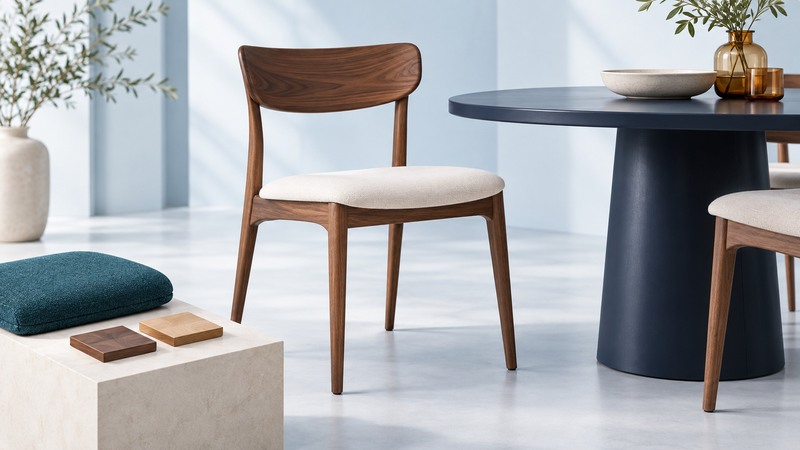
Wooden Chairs: Fit, Joinery, Upholstery, and Care
Choose wooden chairs by testing seat fit, table clearance, construction, upholstery, repairability, and everyday care.
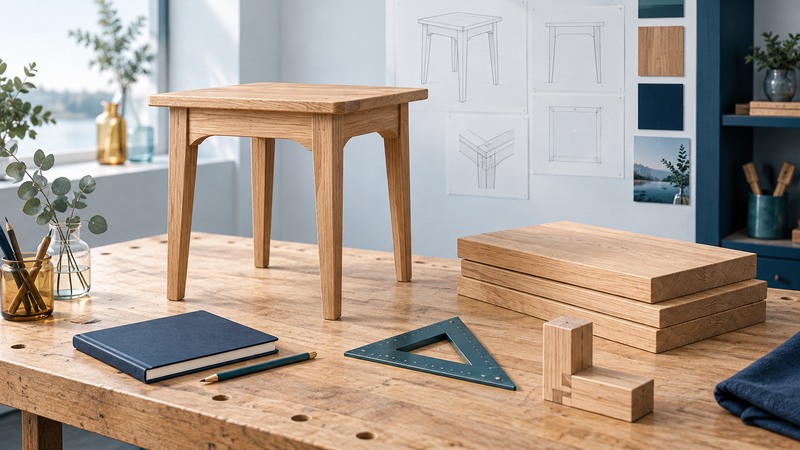
Furniture Making: From Design Brief to Finished Piece
Plan a furniture project through dimensions, material behavior, joinery, assembly sequence, finish trials, and useful quality checks.
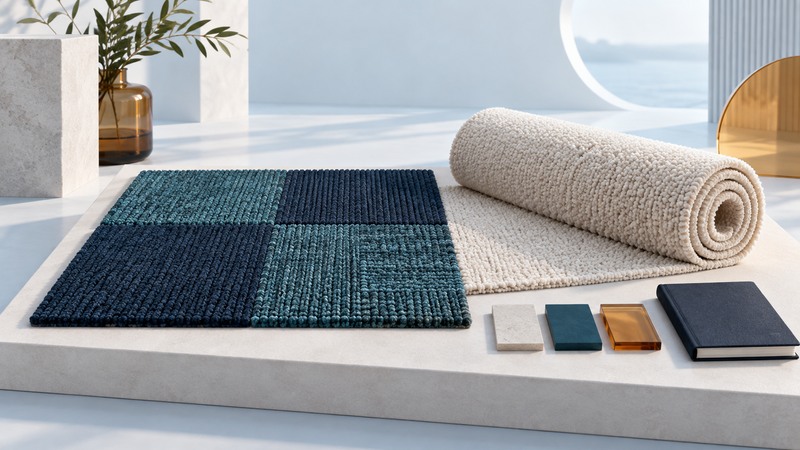
Commercial Carpet: Tile, Broadloom, Installation, and Maintenance
Prepare a commercial carpet brief that connects room use, product format, substrate preparation, installation scope, and ongoing maintenance.
Storage that fits your routine

Modular Wall Storage: Plan Panels, Accessories, and Support
Plan a modular wall-storage layout around actual objects, compatible accessories, reach, and documented mounting requirements.

Luxury Wardrobe Planning: Inventory, Layout, and Useful Fittings
Turn clothing measurements and daily routines into a wardrobe brief with useful storage, clear access, and comparable installation proposals.
Pillows and adjustable beds

Memory Foam Pillows: Shape, Loft, Fit, and Care
Compare memory foam pillow shapes, assess fit with your mattress, plan a comfort trial, and check separate care instructions for cover and insert.

Sleep Number Beds: Identify Your Model, Adjust Comfort, and Find Support
Locate the right Sleep Number manuals, distinguish firmness from base position, record comfort changes, and prepare useful support information.
Understanding furniture design

Chaise Lounge Design: Form, Materials, and Modernist Ideas
Explore the chaise longue through museum examples, comparing reclining form, structural materials, design dates, and its relationship to architecture.
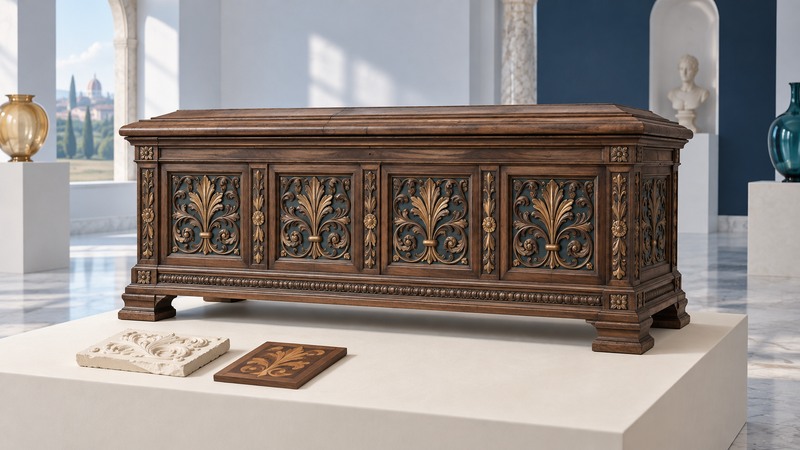
Cassone: Reading a Renaissance Marriage Chest
Understand Renaissance marriage chests through their household role, surface decoration, heraldry, and the separate histories of cases and panels.