Understand a rocket by following its parts and its purpose: the propellants it carries, the engine that produces thrust, the stages that deliver a spacecraft, and the evidence behind its design. These guides connect the engineering to missions, museum objects, and a distinctive student experiment.
Fuels and engines

Why Rockets Use Kerosene: RP-1, Oxygen, and Fuel Tradeoffs
Understand rocket-grade kerosene, liquid oxygen, and the tradeoffs among fuel density, engine performance, cooling, and reuse.
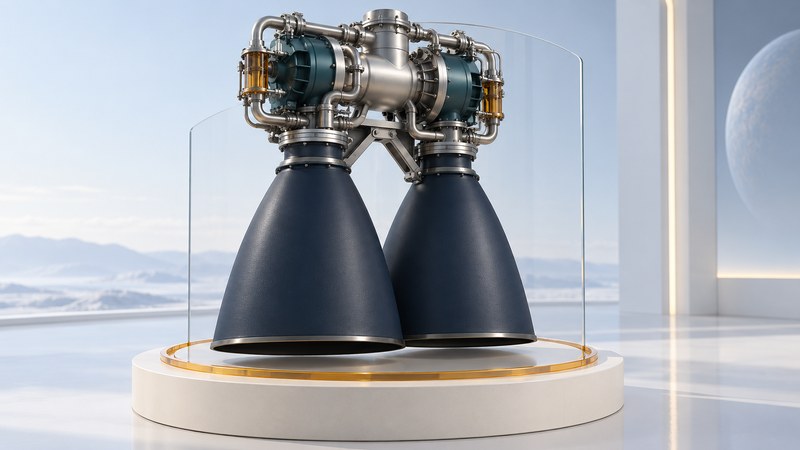
RD-180 Explained: Oxygen-Rich Staged Combustion and Atlas
Follow the RD-180 engine cycle, distinguish its two chambers from two engines, and interpret Atlas performance and production history.
Launch vehicles and missions
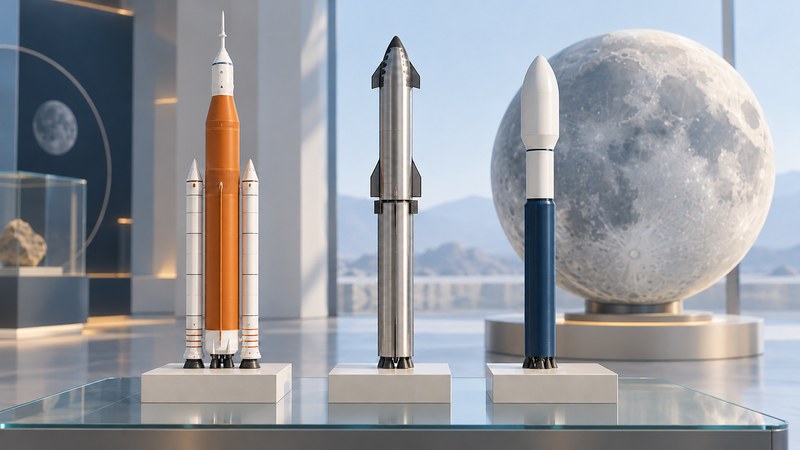
NASA's Moon Rockets: SLS, Starship, and New Glenn
Understand the rockets, spacecraft, and lunar landers behind NASA's upcoming Artemis missions, with dated plans and a guide to following their progress.

Delta II: Configurations, GPS, and a Scientific Legacy
Decode Delta II model numbers, understand its stages, and connect its launch history to GPS and planetary science.
Exhibits and engineering stories
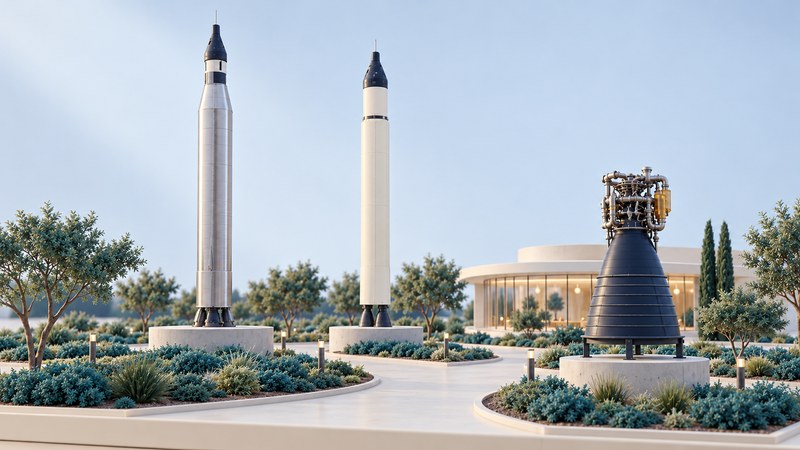
NYSCI Rocket Park: What to See and How to Read the Rockets
Explore Mercury-Atlas, Gemini-Titan, and the F-1 engine through a focused museum visit, with current access links and observation prompts.
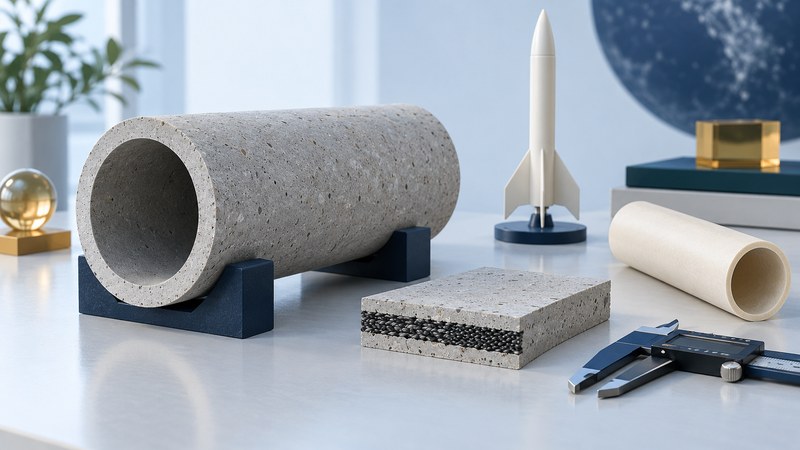
Concrete Rockets: A Lesson in Materials and Evidence
Use an unusual student rocket project to understand structural mass, reinforcement, stiffness, and the evidence behind material claims.
Explore more science
For related research, technology, and science education, visit the Science library.