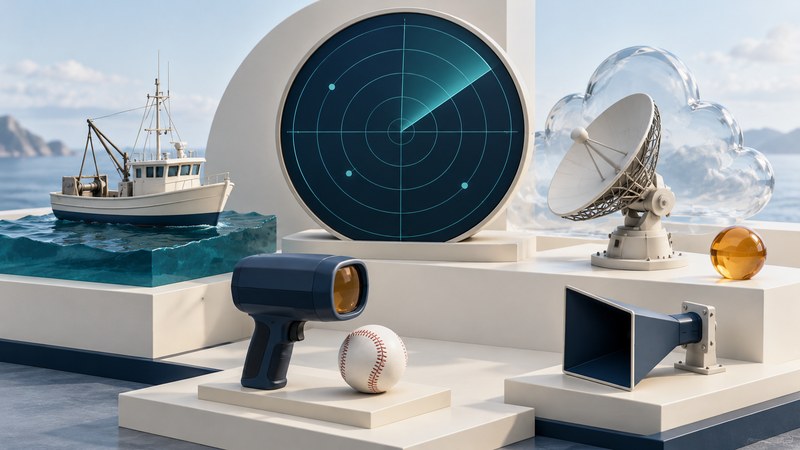
Radar uses reflected radio signals to investigate objects and precipitation. Different systems answer different questions: where an echo comes from, how a target moves, or what its signal reveals about a storm or test object.
Choose a guide below to interpret marine displays, record sports speeds, explore NASA precipitation research or plan laboratory measurements. Each starts with a concrete question and explains the evidence needed for a useful answer.
Choose your Radar guide
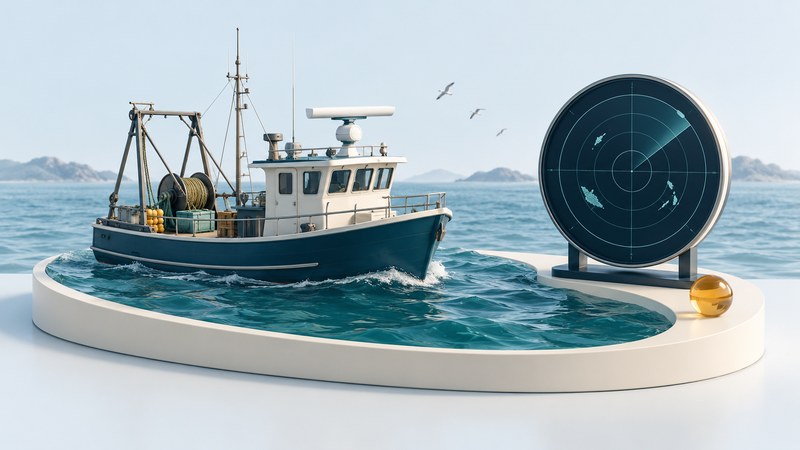
Marine Fishing Radar: Navigation, Bird Detection, and Equipment Choices
Understand marine radar echoes, distinguish radar from sonar and AIS, and prepare useful questions before choosing equipment.
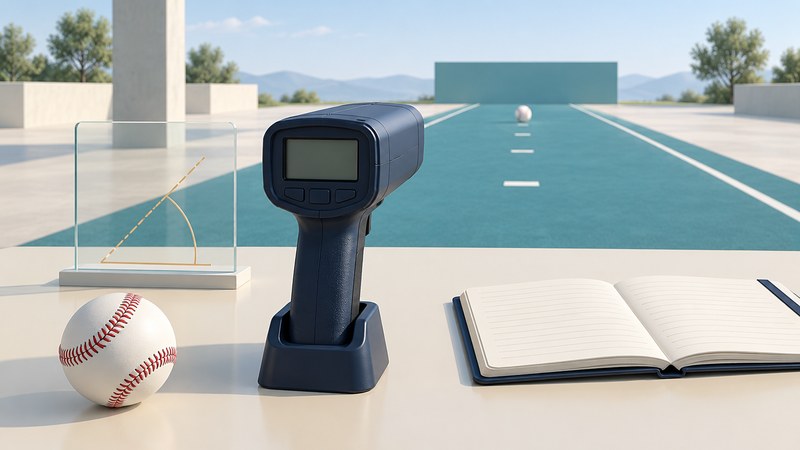
Bushnell Radar Guns: Models, Setup, and Reliable Speed Readings
Match your Bushnell speed gun to its manual, understand measurement angle, and keep comparable practice records.
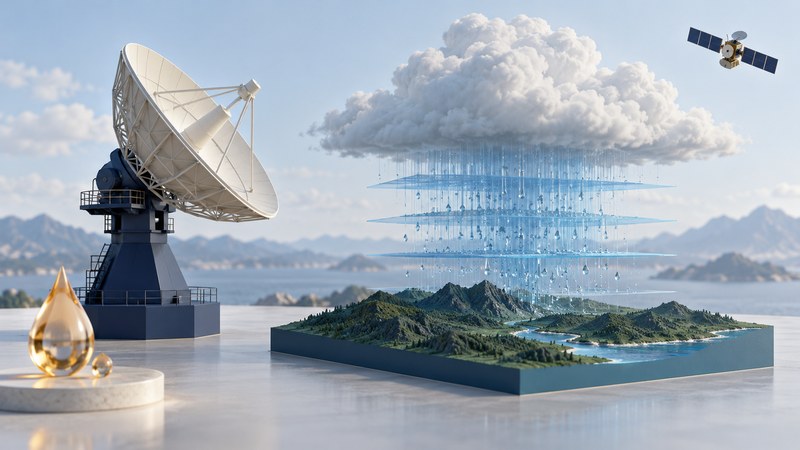
NASA's NPOL Radar: How Scientists Measure Rain and Snow
Explore dual-polarization precipitation radar, NPOL history, and the ground observations used to evaluate satellite rainfall estimates.
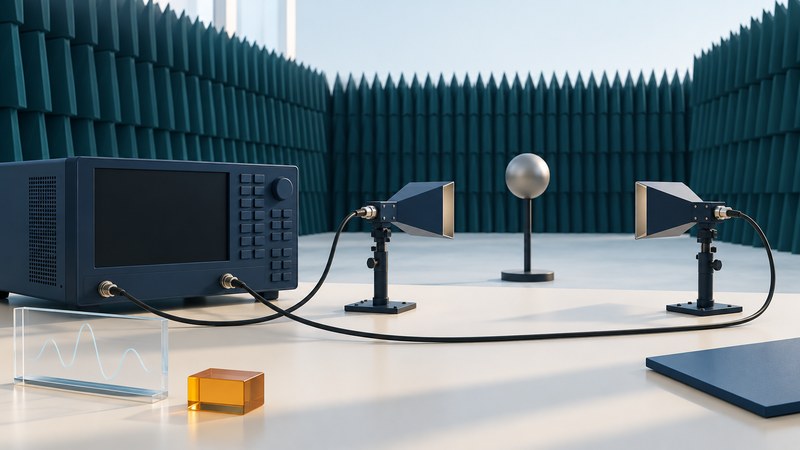
Lower-Cost Radar Measurements: Antenna and RCS Test Tradeoffs
Define an antenna or radar cross-section measurement, compare the complete test-system cost, and plan calibration and validation.
Begin with the question being measured
| Application | Useful information | Check before concluding |
|---|---|---|
| Marine navigation and fishing | Range, bearing and change in detected echoes. | Display settings, clutter, other observations and equipment-specific limits. |
| Sports speed measurement | Motion along the sensor’s line of sight. | Model, units, angle, target and the time interval being measured. |
| Precipitation research | Echo and polarization properties used in precipitation estimates. | Product definitions, sampling height/time and ground comparisons. |
| Antenna and RCS testing | A defined response under controlled measurement conditions. | Frequency, geometry, calibration, background and uncertainty. |
The shared principle is an outgoing radio signal and a received response. Echo timing can provide range; a Doppler shift provides information about motion along the viewing direction. The particular hardware and processing determine which outputs are available. A simple sports speed gun and a scanning weather radar therefore produce very different records.
For an accessible introduction to radio echoes, see Furuno's radar basics. In every application, keep the measurement, the processing and the interpretation distinct. That habit helps explain why an echo needs context and why a specification alone cannot establish performance in your conditions.