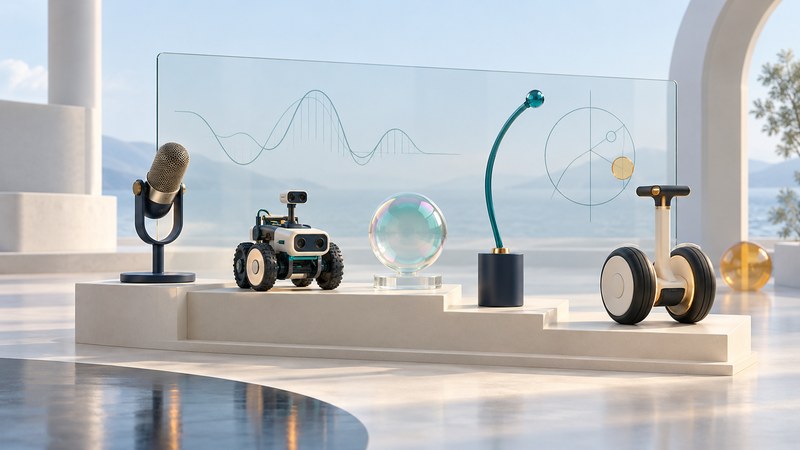
An invention becomes easier to understand when you can explain what it does, how it works and what evidence supports its promise. These eight guides connect physical mechanisms with the people, testing and practical conditions that bring ideas into use.
Start with a mechanism if you want to understand the science. Choose an inventor or the Segway launch story to follow an idea toward real users. For a consequential technology claim, begin with the evidence and the decisions it will inform.
How inventions work
Explore sound, light, materials and feedback through four concrete inventions.

Directional Sound: How Ultrasonic Audio Beams Work
Understand parametric loudspeakers, reflections and listening zones, then plan a repeatable check for a museum, exhibit or kiosk.
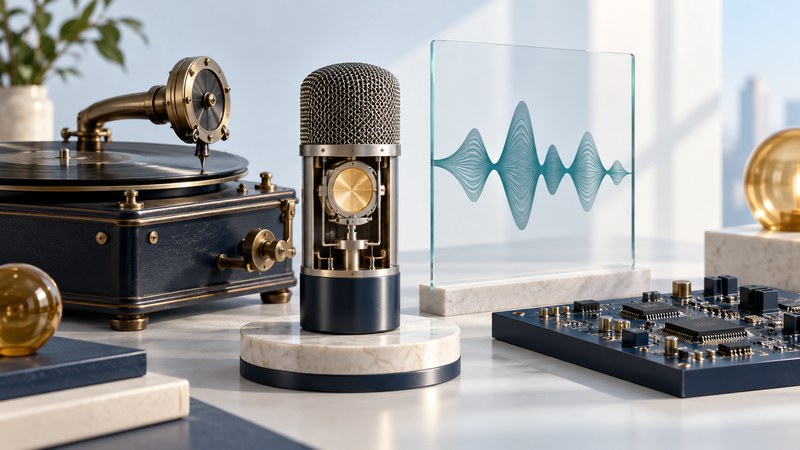
Bell Labs Audio Inventions: Recording, Microphones and Digital Sound
Trace the sound chain through electrical recording, stereo, the electret microphone and information theory, with a digital-audio calculation.

Zubbles: The Invention Challenge Behind Colored Bubbles
Explore bubble-film optics, colorant design and color-changing compositions, and learn how to evaluate a colored-bubble demonstration.
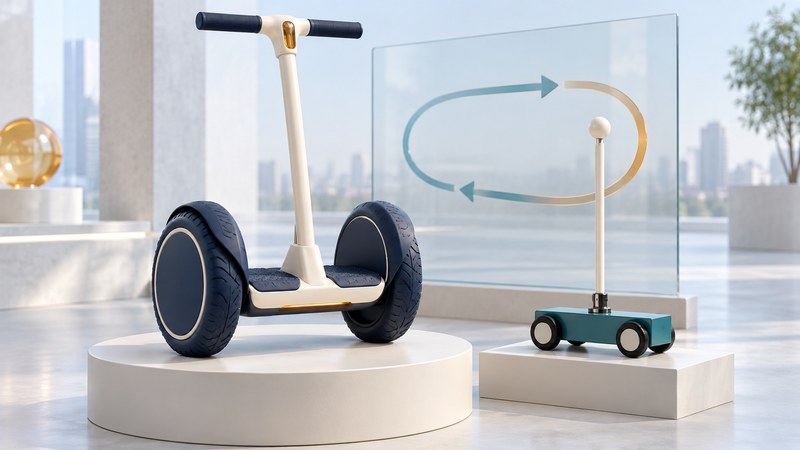
How the Segway Balances: Sensors, Feedback and Motion
Follow the sensor-controller-motor loop that balances a two-wheeled transporter and understand the conditions behind a self-balancing claim.
Inventors and bringing ideas into use
Follow the work between a promising idea, a usable product and sustained adoption.
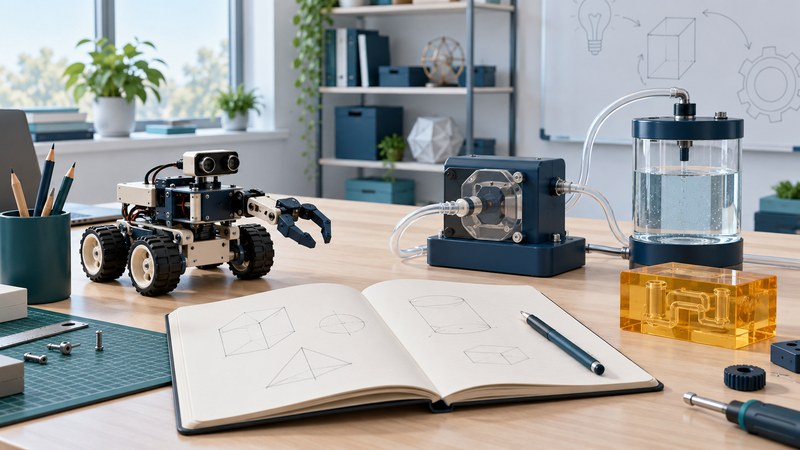
Dean Kamen: Invention, Practical Problems and FIRST
Explore Kamen’s medical and mobility inventions, the founding of FIRST, and the design questions students can take from those projects.
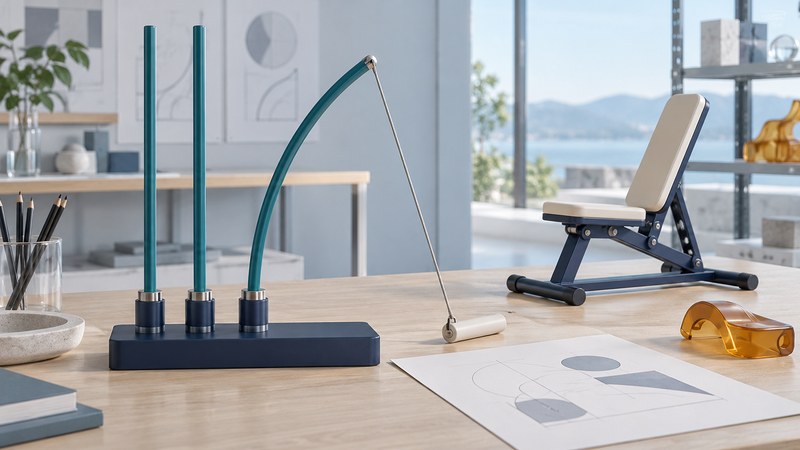
Dosho Shifferaw and Bowflex: From Mechanical Idea to Product
Follow the flexible-rod concept, patent milestones and documented early business history behind Dosho Shifferaw’s Bowflex invention.
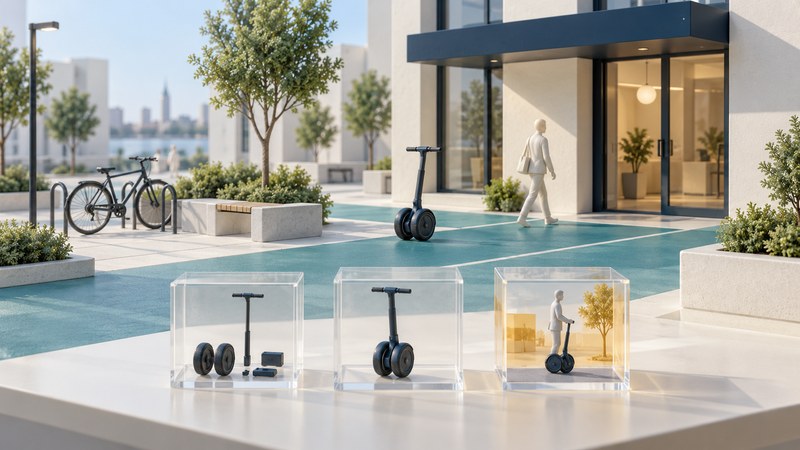
Ginger, IT and the Segway Launch: From Promise to Adoption
Use the Segway launch and later production history to distinguish a demonstration, a pilot, deployment and sustained adoption.
Evidence and consequences
Connect a technical result with the decisions people make from it.
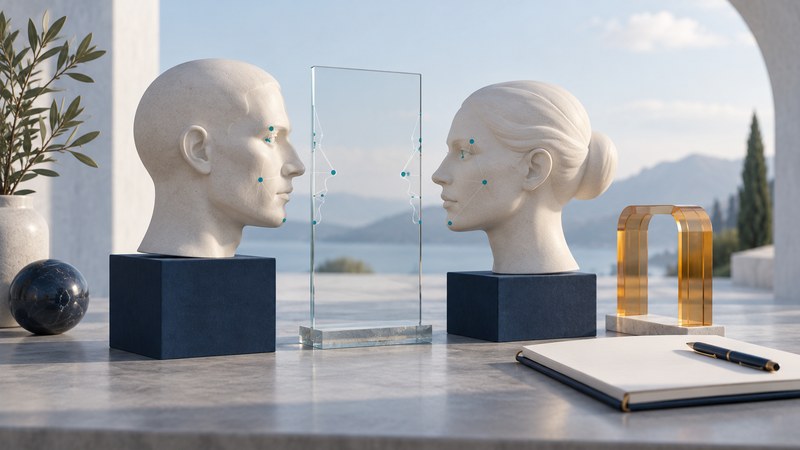
Facial Recognition: Accuracy, False Matches and Privacy
Evaluate facial-recognition claims by task, threshold and population, with a worked false-alert example and a review worksheet.
Study an invention with a clear question
Choose one claim and record its mechanism, evidence, conditions and remaining uncertainty. Then identify the next observation that could change your conclusion. The invention-evidence worksheet works for a classroom case study, a product announcement or an early design brief.
For the methods behind experiments, measurement and interpretation, continue to the Science guides.