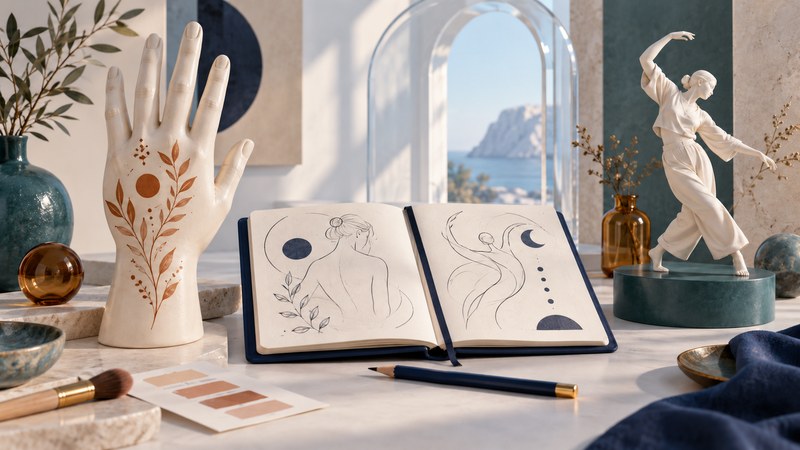
Explore body art as personal expression, a cultural practice, and a way of making art. These six guides help you prepare a conversation, compare temporary choices, or look more closely at what a work does.
Start with the question you have today. You might be collecting tattoo references, planning a decorative look for an occasion, or trying to understand a performance in a museum. Each calls for a different kind of attention.
Plan a tattoo
Develop your idea and discuss the design with an artist.

Prepare for a first tattoo consultation
Assess portfolios, describe your idea, and clarify the commitments before booking.
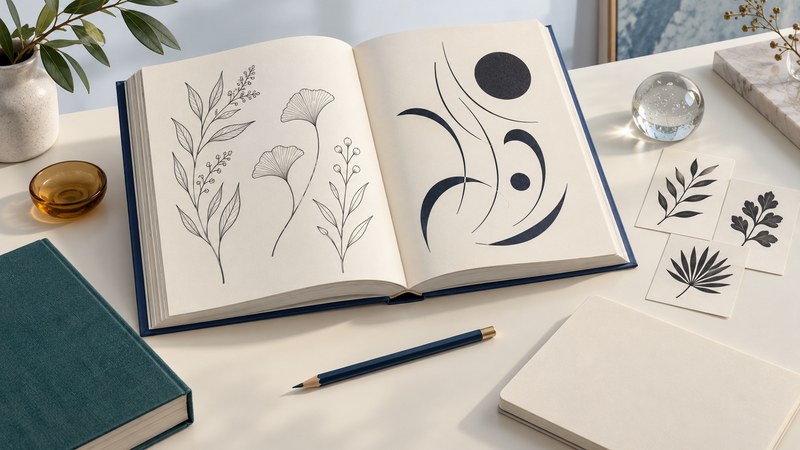
Turn tattoo references into a design brief
Choose useful books and images, then use a printable worksheet to explain your preferences.
Choose a temporary look
Plan the application, the occasion, and what happens afterward.
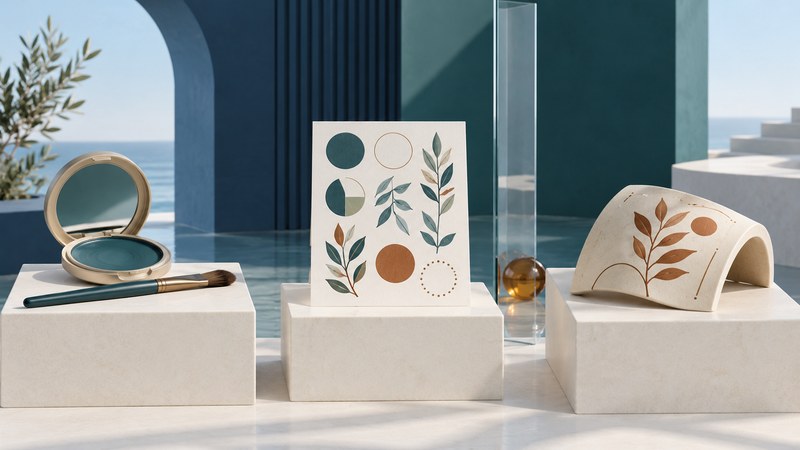
Compare temporary body art
Weigh paint, transfers, and henna by appearance, product information, and removal needs.

Cover a tattoo temporarily with makeup
Plan a trial, assess the shade and finish, and check contact with clothing before an event.
Explore traditions and artistic practice
Give designs and bodily actions the context they deserve.
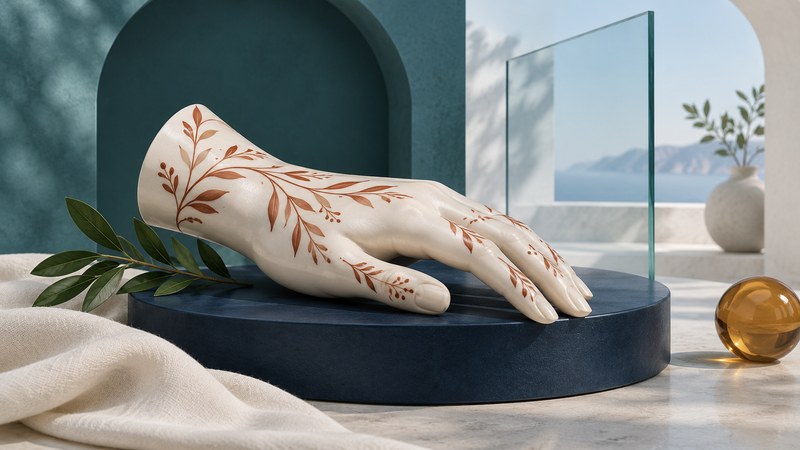
Explore mehndi and henna
Learn about traditions, discuss a design, and prepare informed ingredient questions.
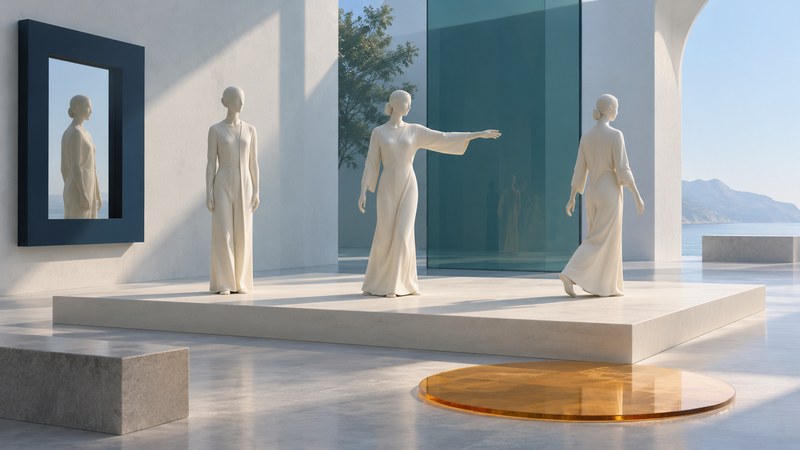
Understand the body as an art medium
Look closely at gesture, time, participation, and the records of a performance.
Different meanings of body art
Permanent tattooing creates a lasting design through ink placed in the skin. Temporary adornment includes surface paint, transfers, and stain-based designs, with different ingredient and removal questions. Body-based and performance art can make gesture, presence, time, or participation part of the work.
These uses meet around questions of identity, appearance, and meaning. Cultural context helps explain a design; an artist's portfolio helps you discuss a visual approach; product information and clinical guidance answer questions about skin. Use the source that fits the question.
In a museum, begin by describing an action and the record in front of you. MoMA's account of Lygia Clark, for example, shows how a participant's handling of objects can become part of an artistic experience. Explore the wider Art collection for more ways to look.
Reviewed October 6, 2026. Sources are linked beside the topics they support.