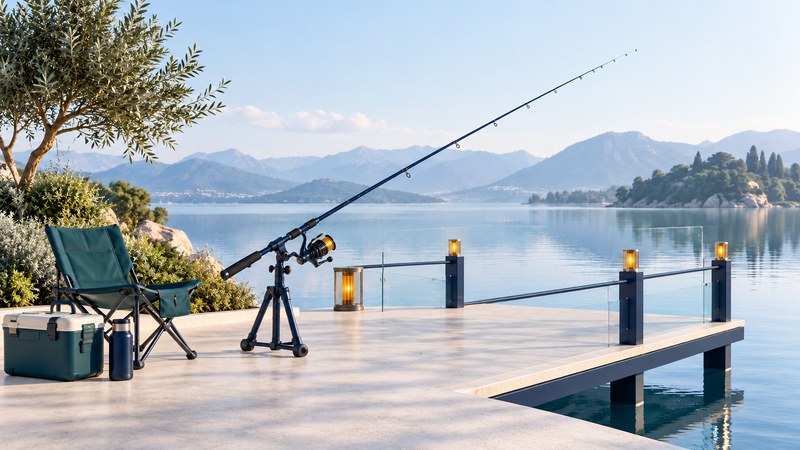
Plan a fishing trip around the angler’s preferred way to participate. One person may want help with baiting while another needs a firm route, room to position a wheelchair or a quieter place to learn. A successful outing combines access to the water with usable equipment, suitable assistance and a way to take breaks. Start with a venue conversation before committing to travel.
Describe the outing you want
Decide who will fish, who will accompany them, the intended length of the visit and whether you are considering a bank, pier or organized session. List the equipment you will bring and any tasks for which assistance would be useful. Include getting from the vehicle to the fishing position, setting up, handling tackle, casting, retrieving and returning to the vehicle.
Ask the angler which parts they want to do independently and how they prefer help to be offered. Skill, fatigue, reach and comfort vary between people and across the day. A short supported session can be a useful first trial before buying equipment or arranging a longer outing.
Check the complete route and facilities
A directory’s accessibility label is a starting point for questions. Ask the site operator about the current condition of the route from parking or drop-off, its surface, distance, slopes, gates and any steps. Request recent photographs or measurements when a specific clearance matters, and record the units and who supplied the information. Water level, weather and maintenance can change the practical route.
- At the fishing position: establish available space, approach, reach to the fishing area, railings and whether a companion can work alongside.
- For a break: confirm accessible toilets, opening hours, shade or shelter, seating and the route back.
- For the visit: check reservations, parking arrangements, staff availability, closures and whom to call if conditions change.
For example, Florida’s wildlife agency provides an Anglers With Disabilities resource with routes to accessible fishing-site information. Use the equivalent wildlife agency or park operator for your destination, then confirm the individual site details.
Arrange equipment and assistance as a trial
Discuss grip, rod weight, reel operation, seating and any proposed support with an experienced adaptive-fishing organizer or suitable equipment provider. Ask to try the arrangement in the position you expect to use. Establish which tasks a helper will perform and whether that person needs instruction. The aim is a comfortable, controllable setup that matches the participant’s choices.
Follow the equipment manufacturer’s instructions and the venue’s safety procedures. Ask the operator about waterside hazards, supervision, weather decisions and emergency arrangements. Do not improvise attachments to a mobility device or assume a pictured rod support is suitable for a particular person. A boat outing requires a separate discussion about boarding, transfers, life jackets and the operator’s procedures.
Verify permissions and the current session details
Check the destination’s current fishing license, permit and species rules. Eligibility for any disability-related license or concession varies by jurisdiction; use the official application criteria. Alabama’s freshwater licensing page is the starting point for that state. Confirm separately whether an organized event supplies equipment or has an event-specific licensing arrangement.
Alabama’s Exceptional Anglers program illustrates how organized support can make participation possible. The state’s 2025 Oak Mountain event notice describes the program and its partners. That dated notice is background, not a current booking or an assurance that a particular session is open to everyone. Ask the organizer about eligibility, registration and available support for the next event.
Keep the answers for this trip and the next
Use the fishing visit notes to record the operator’s answers, unresolved questions and a contact number. Reconfirm closures and conditions close to departure. If a necessary part of the route or support remains uncertain, resolve it before travel or choose another arrangement.
Afterward, note the actual surface, usable position, assistance, session length and breaks. Record the date so a future reader understands when the observations were made. Useful feedback explains what helped the angler participate and what would improve the next visit.