
Find ten practical guides to pregnancy care, newborn routines, crying, infant feeding, cup drinking, and safety at home and in the car. Choose the question in front of you, and use your care team for individual medical decisions.
Everyday care and comfort
Newborn care in the first weeks
Set up feeds, diaper care, safe sleep, hygiene, and clear handoffs between caregivers.

Crying and colic: comfort and support
Check needs, recognize reasons to seek care, try a calming routine, and make a plan for caregiver breaks.
Related historical coverage
- Compact diapers — A 2007 report about compressed diaper packaging and portability.
- Baby 411 book — A 2004 introduction to a first-year parenting reference; check the edition and current guidance before relying on medical advice.
Feeding and drinking
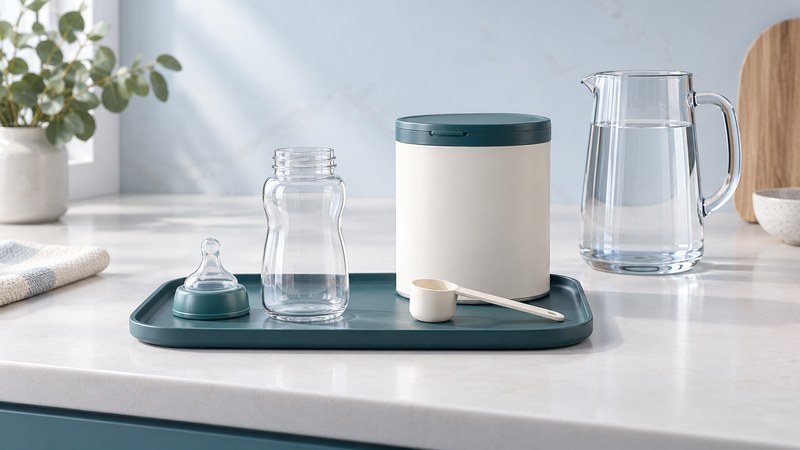
Infant formula: preparation and storage
Distinguish powder and liquid forms, follow the label, and keep track of preparation and feeding times.

Starting solid foods
Recognize readiness, choose manageable textures, plan allergen introduction, and prepare food safely.

DHA and ARA: interpreting formula evidence
Interpret fatty-acid research, compare the meaning of label quantities, and prepare informed questions about infant formula.

Complementary foods: iron, eggs, and variety
Build varied infant meals, prepare eggs safely, and understand what an enriched-egg study can and cannot establish.

Cup drinking and first-tooth care
Choose a cup, build calm mealtime practice, and coordinate drink choices, cleaning, and first-tooth care.
Historical policy background
- The 1981 breast-milk-substitute marketing code — Historical policy text; later guidance and national implementation require separate checking.
Safety and equipment

Infant swing safety and recall checks
Identify a model, read its recall and manual, and prepare a separate safe place for sleep.

Child-presence alerts and hot-car prevention
Build an every-trip vehicle check, understand rear-seat alerts, and make caregiver handoffs explicit.
For current vehicle guidance, see NHTSA child heatstroke prevention.
Pregnancy, conception, and growth

Pregnancy care and urgent warning signs
Prepare for prenatal visits, understand recommended tests, and know how to seek help during pregnancy and after delivery.
Use the care-planning guide for practical questions and urgent signs. The dated stories below provide background on conception products and growth-measurement technology.
- Home conception kit — A 2007 device announcement; price, availability, and claims reflect that period.
- Infant body composition — A 2004 introduction to air-displacement measurement in clinical and research settings.
For current warning-sign information, see CDC urgent maternal warning signs during pregnancy and after delivery.
Names, language, and family life
- Popular baby names in 2016 — A historical top-ten list drawn from Social Security Administration data.
- Baby talk and speech research — A 2002 report on infant-directed speech and a computer simulation.
- Baby clothing and gifts — A 2016 boutique profile; offers and charitable campaigns are historical.
- TodoBebe television — A 2003 launch story about Spanish-language pregnancy and parenting programming.
Using this collection
Start with the practical guides for everyday tasks. Follow their linked primary sources for context, and check product-specific notices and instructions directly. Historical reporting can help explain a subject's development; its dates, availability claims, and medical statements need that context.