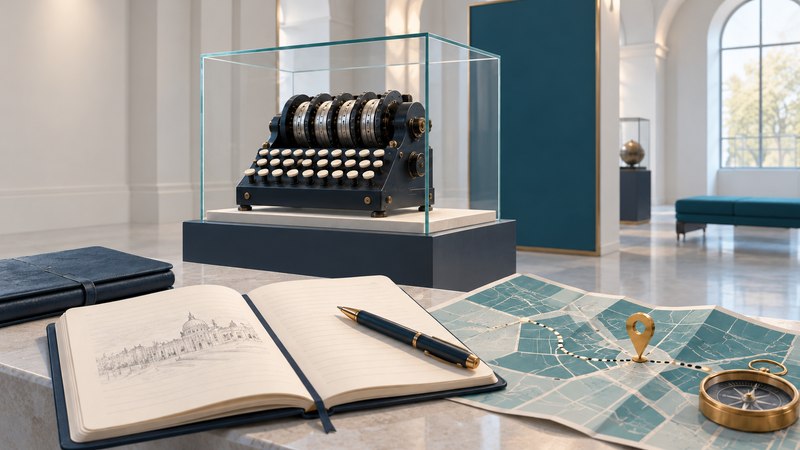
Build a spy-history trip around one strong museum or historic site, then leave time to explore its stories. Washington, DC and nearby Maryland offer two complementary collections; Bletchley Park offers a separate day out from London focused on wartime codebreaking.
Choose the historical subject first, check the opening day and travel connections, and book the experience that fits your group. The itineraries below are editorial suggestions you can adapt. Official visitor pages control current admission, hours and access arrangements.
Choose a story and a pace
| Destination | Why choose it? | Time and planning |
|---|---|---|
| International Spy Museum, Washington, DC | A broad introduction to espionage through artifacts, stories and optional interactive activities. | The museum says most visitors spend 2½–3 hours. Reserve a timed entry and allow breaks. |
| National Cryptologic Museum, Maryland | The people, devices and methods behind making and breaking codes. | Plan a separate outing with transport. Confirm the opening day and any desired guided tour. |
| Bletchley Park, England | World War II codebreaking in a historic site with multiple buildings and exhibitions. | The site recommends at least four hours. Add the outward and return journey to your day. |
Use the Spy Museum’s visit FAQs, National Cryptologic Museum overview and Bletchley Park planning page to match the experience to your interests. For families, choose a few objects or questions to follow, then allow time for rest. A complete circuit of every display is an optional ambition.
Plan Washington and Maryland as separate visits
Day one: an unhurried museum day in DC
The International Spy Museum is at L’Enfant Plaza in Washington. It recommends booking timed tickets in advance. Its FAQs describe ages nine and older as its primary audience, with family resources for younger children.
- Before departure: select an entry time, check the route from your accommodation and review the museum’s accessibility information. If anyone needs accommodations, resolve those before buying transport.
- At the museum: allow the published 2½–3-hour typical visit, plus whatever rest time your group needs. Follow two or three themes: concealment, codebreaking, or how intelligence is interpreted.
- Afterward: leave lunch and the rest of the afternoon flexible. Discuss one artifact and distinguish its documented use from what a film might suggest.
The accessibility page includes a sensory map and notes limited seating in the permanent exhibition; plan rest stops around your group’s needs. Check bag, stroller and reentry policies in the current FAQs. Keep any follow-on reservation loose enough that a crowded gallery or a longer visit does not derail the day.
Optional day two: cryptologic history in Maryland
The National Cryptologic Museum is a separate destination near NSA headquarters in Maryland. At this guide’s October 2026 check, its official page listed Tuesday–Friday and the first Saturday of the month, with federal-holiday closures. Check the live schedule before choosing a day; a generic “weekend in Washington” plan may miss its opening window.
Reserve a separate morning or afternoon for the collection and allow additional transport time. Use the official museum location, 8290 Colony Seven Road, Annapolis Junction, Maryland, when checking the journey. Its overview page lists the visitor address and contact details. For a guided visit, check the museum’s tour arrangements; confirm your slot before building the day around it. This visit concerns the public museum, with its own access arrangements.
Give Bletchley Park a full travel day
Bletchley Park presents the history of the World War II codebreakers through restored buildings, collections and interactive displays. Its recommendation of at least four hours makes this a substantial visit in its own right.
The site’s official travel directions describe direct trains from London Euston to Bletchley and a short walk from Bletchley station. Check the service for your actual date and allow time to reach Euston, find the platform and walk to the entrance. The train journey is only part of the door-to-door total.
- Before the day: check admission, seasonal closing and last-entry times, rail services and the site’s accessibility information. Read current route notices if driving.
- Morning: travel from your London base and start with the site orientation. Choose the exhibits or buildings most closely connected to your interests.
- Midday and afternoon: build in a meal break and continue exploring, keeping the final departure comfortably inside the confirmed opening hours.
- Return: leave a travel buffer before an evening commitment in London. A second major museum on the same day adds pressure to an already full itinerary.
This is a suggested day structure, not a ticket package or guaranteed timetable. Check transport and attraction bookings together before committing to either.
Choose guided experiences by their substance
A good historical walk or specialist tour makes its subject and evidence clear. Before booking, ask what the route covers, which locations can actually be entered, and whether the guide separates documented events from anecdote. A former job title can be interesting background; the quality of the explanation still matters.
- Fit: historical period, likely age suitability, walking distance, pace, rest stops and group size.
- Access: steps, surfaces, toilets, meeting point and arrangements for mobility or sensory needs.
- Content: named cases, artifacts or records that support the stories, and how interactive role-play fits into the experience.
- Booking: exact inclusions, cancellation terms, weather arrangements and an official contact for changes.
Build the trip around publicly accessible museums and sites. Follow their photography and visitor rules, and keep historical storytelling separate from any promise of access to active intelligence facilities.
Make the plan portable
Download the one-page spy-history trip planner (PDF) and fill it in before booking. It has space for your anchor visit, local-time schedule, travel buffers, costs in one currency, access needs, official source links and a fallback plan.
- Record the visit date and the day of the week.
- Confirm opening hours, last admission and the available entry slot on the official site.
- Work backward from arrival to include the complete journey and a buffer.
- Add tickets, transport, meals and optional extras in one stated currency.
- Save confirmations and current access instructions for use while traveling.
- Recheck closures, transport and entry details shortly before departure.
For background before your visit, read how reconnaissance satellites collect evidence and what limits miniature reconnaissance aircraft. Explore the full Spying collection.