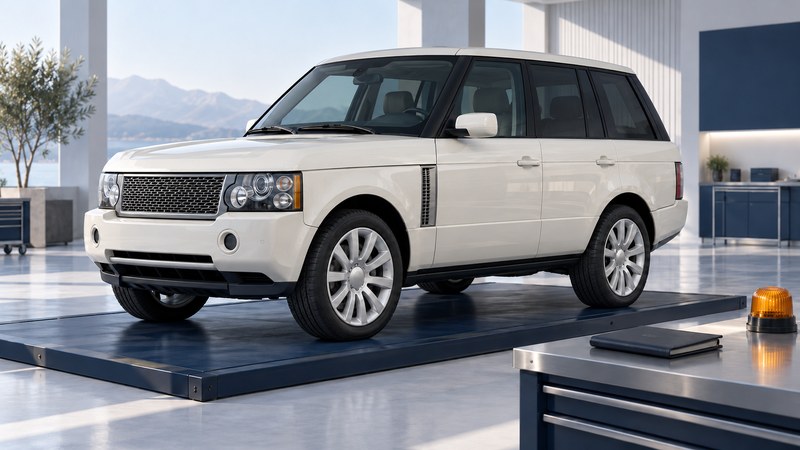
An older Range Rover becomes easier to assess when the engine, suspension and service support are clear. Build an inspection brief around the exact vehicle, with separate entries for factory specification, later changes and unresolved symptoms.
The reference here is the full-size 2006 Range Rover sold in North America. Record that full model name on every inquiry: Range Rover Sport has its own equipment and documentation. Bring the VIN, market, model year, service history and permission for a Land Rover specialist to inspect the vehicle.
Start with the engine and the correct handbook
Land Rover’s January 2005 North American introduction, archived in Spanish, announced two engines for the full-size 2006 vehicle: a naturally aspirated 4.4-liter V8 and a supercharged 4.2-liter V8. It also described revised air suspension. Use this as period context; confirm the individual vehicle through its VIN and equipment records.
Photograph the identifying labels with the seller’s permission and ask the specialist to confirm the fitted engine. Body trim, wheels and badges can be changed. Keep the factory record and any replacement-engine documentation together so future parts inquiries begin with the same facts.
The Land Rover owner-information portal directs readers to TOPIx for older models. Obtain the handbook and maintenance information matching the full-size vehicle, year and market. Use those documents for control sequences, fluids and service requirements; newer Range Rover instructions can describe different equipment.
Make suspension condition a specific question
On a narrow screen, scroll the table sideways. Keyboard users can focus the table region and use the arrow keys.
| Configuration or claim | What to establish | Useful evidence |
|---|---|---|
| Engine identity | Which V8 is installed and how its history is documented. | VIN-linked specification, engine identification and invoices. |
| Air suspension retained | Which components have been repaired and whether warnings or height concerns remain. | Dated work orders and a specialist’s current diagnostic findings. |
| Suspension changed | What hardware and control changes were made and how they were assessed. | Installer details, kit identification, instructions and inspection report. |
| Cabin equipment | Which fitted features operate consistently during a demonstration. | Observed results for climate, seats, displays, locks and camera if fitted. |
Ask for suspension operation to be demonstrated under the matching handbook’s conditions. Observe from a clear position beside the vehicle; leave underbody checks and work on a height-adjustable suspension to the workshop using the correct support procedure. Record warning messages exactly, along with when they appear.
If the seller describes a conversion, ask which parts were removed or added and how the controls were handled. Have the specialist assess that actual installation. A receipt for a replacement compressor answers a narrower question: it identifies one completed job. The present system still needs an assessment.
Confirm who can diagnose and support it
Contact a workshop before committing to a vehicle with an unresolved warning. Give them the exact model, engine and symptom, and ask whether they can inspect all relevant systems. Request an estimate for diagnosis separately from any repair estimate, with parts availability checked for the proposed work.
Review engine and cooling work, transmission and driveline invoices, suspension repairs and electrical work as separate histories. Ask the workshop to identify missing maintenance using the correct schedule. Include body and underside condition, brake and tire assessment, and signs of water entry in the inspection brief.
During a parked cabin demonstration, operate the features you intend to use. Record an intermittent screen, unresponsive seat control or inconsistent climate output as a specific observation. The diagnostic-equipment guide helps frame a conversation about system coverage and a saved report.
Check the VIN through NHTSA’s recall lookup and ask the manufacturer for campaign and completion records. NHTSA explains that VIN results omit completed recalls and may omit recalls more than 15 years old. Save the dated result alongside repair evidence.
Example: convert a repair claim into a clear request
Fictional viewing. A seller says the air suspension is fixed and supplies a compressor invoice. A height warning appears during the viewing. Record the invoice date, exact warning and operating conditions; ask the specialist for a system diagnosis and written scope. Keep the repair history as evidence of completed work while treating the present warning as unresolved.
The decision becomes whether the diagnosed work, available support and time required fit your plans. A polished exterior or a long option list supplies little help with that question.
Use the inspection brief
Download the Range Rover inspection brief. Send it with the vehicle details when arranging an inspection. The separate LR3 guide covers that model’s configuration and equipment.
Explore Autos: vehicle guides, technology and design · Cars: buying, maintenance and ownership