Smart-city technology becomes credible when it improves public services rather than just adding more dashboards. Cities already produce streams from signals, meters, cameras, pumps, vehicles, maintenance crews, 311 systems, environmental sensors, and public-health infrastructure. AI is strongest when it turns that sprawl into earlier detection, better prioritization, and faster coordination across departments.
That usually means connecting a real smart city stack built from digital twins, sensor fusion, predictive maintenance, advanced metering infrastructure, the smart grid, interoperability, and decision-support systems. Without those foundations, AI features stay isolated pilots.
This update reflects the field as of March 17, 2026 and leans mainly on Google, NIST, DOE, EPA, CDC, the State of California, the City of San Jose, the City of Palo Alto, and current utility deployments. Inference: the biggest smart-city gains are coming from better coordination of existing urban systems, not from replacing city staff with autonomous software.
1. Traffic Management
Traffic AI is strongest when it improves the operation of intersections, corridors, transit priority, and curbside flow in the real world. The practical goal is not futuristic autonomy. It is fewer unnecessary stops, better signal timing, and faster reaction to changing street conditions.

Google's Project Green Light remains one of the clearest operational examples because it reports field outcomes rather than only simulations. Google says the system has helped reduce stops by up to 30% and emissions at intersections by up to 10% by optimizing signal timing from aggregated traffic patterns. Inference: for most cities, the strongest traffic value from AI is still better timing and corridor coordination, not a wholesale reinvention of transport.
2. Public Safety
Public-safety technology gets stronger when AI helps cities detect incidents earlier and helps responders understand conditions faster. The strongest uses are about wildfire detection, firefighter safety, evacuation guidance, and incident-ground situational awareness, not vague claims about omniscient surveillance.

California's AI-assisted wildfire detection system is a strong benchmark for grounded public-safety value. The Governor's office said on October 24, 2023 that CAL FIRE and AlertCalifornia were using AI to monitor more than 1,000 cameras statewide and had already identified 77 wildfires before any 911 calls. NIST is pushing the next layer with AI-enabled smart firefighting work on flashover prediction, evacuation routing, and firefighter heart-health monitoring. Inference: the strongest public-safety use is earlier detection and better responder decision support, not speculative predictive-policing claims.
3. Waste Management
Waste-management AI becomes useful when cities can measure fullness, contamination, and material type instead of treating every container and waste stream the same. The strongest systems combine routing, image-based audits, and smarter sorting so crews and facilities know where problems are building before costs rise.

EPA's 2026 recycling-technology roundup shows where this field is actually moving. CleanRobotics' TrashBot uses cloud storage and machine learning to decide whether an item belongs in recycling, compost, or landfill, while Zabble uses AI to classify bin fullness and contamination from images. Inference: smart-city waste systems get stronger when cities can see what is in the stream and where contamination is rising before hauling, disposal, and recycling losses compound.
4. Energy Management
Energy intelligence works best when building telemetry, grid signals, and operational controls are connected. That is why AMI, the smart grid, and building-side control logic matter so much. AI is strongest when it turns those measurements into lower waste, better reliability, and more flexible demand.

DOE now explicitly frames AI as part of the solution for modernizing the grid, improving building efficiency, and even speeding energy-project permitting. On the buildings side, a 2024 Nature Communications study estimated that AI could reduce energy use and emissions in U.S. commercial buildings by about 8% to 19% at scale. Inference: the biggest smart-city energy gains are still coming from operational control of buildings and grid assets, not from consumer-facing gimmicks.
5. Water Management
Water systems become smarter when utilities can identify leaks, sewer stress, and demand changes before crews get complaint calls. AI is strongest here as a live network-health layer built from acoustic sensors, pressure data, telemetry, and control-room prioritization, often overlapping with predictive maintenance.
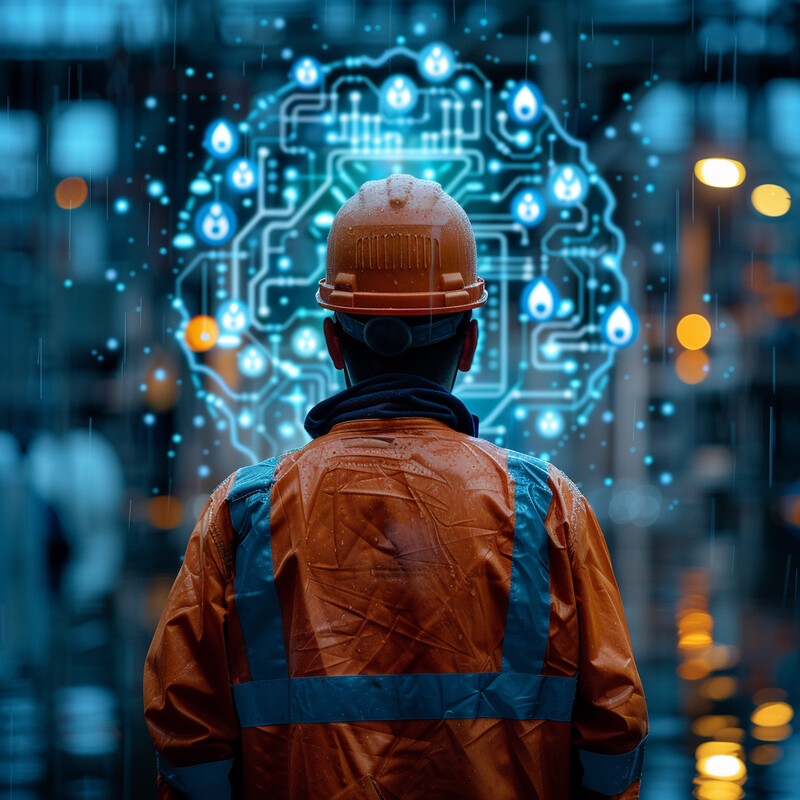
Southern Water's 2025 leak-reduction results show what this looks like in practice. The utility says 24,000 acoustic sensors now monitor its 15,500-kilometer network and helped cut leakage by more than 15% between April 2024 and April 2025, saving 17 million liters per day. Inference: water AI becomes real when it helps utilities find and rank losses across live networks instead of waiting for surface failures.
6. Infrastructure Maintenance
Infrastructure maintenance gets stronger when cities move from complaint-driven inspection to continuous first-pass screening. AI is most useful when it helps scan roads, drains, sidewalks, bike lanes, and public assets at city scale, then routes the most important issues into a manageable repair workflow.
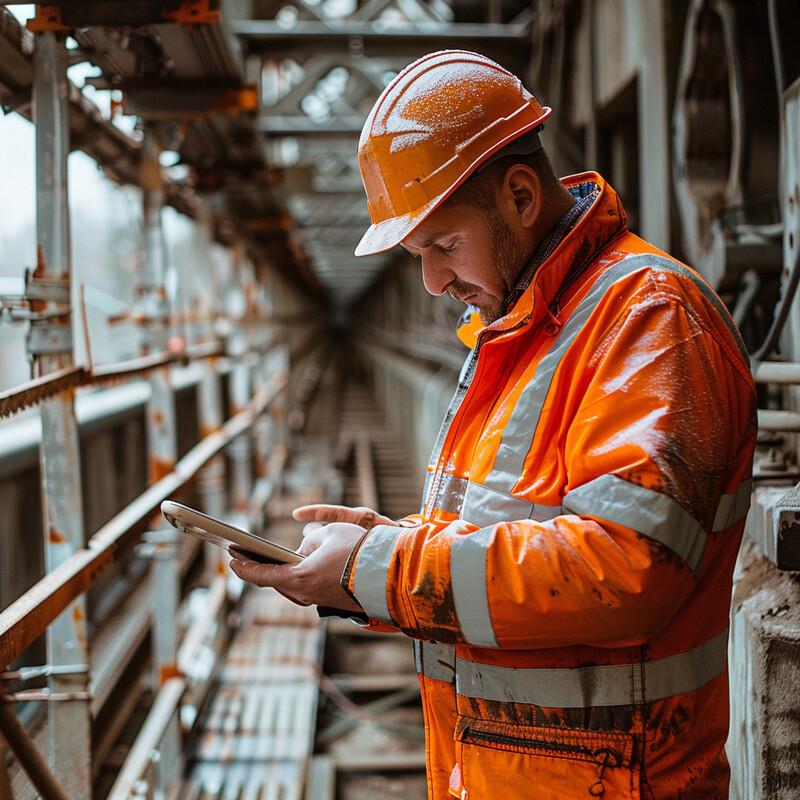
USDOT's ITS Knowledge Resources database summarized one of the strongest recent municipal examples from San Jose. The road-safety pilot used cameras mounted on city vehicles and reported 97% pothole-detection accuracy and 88% trash-or-debris detection accuracy while also testing privacy protections and public-input safeguards. Inference: the real value of smart maintenance AI is faster issue discovery and triage, especially when community safeguards are built in from the start.
7. Urban Planning
Smart-city systems are most useful when operational data feeds planning, permitting, and scenario testing rather than staying trapped in separate departments. This is where digital twins, interoperability, and planning-grade review tools become more valuable than static reports.

California's April 30, 2025 permit-review announcement is one of the clearest current signals. The Governor's office said the AI tool could help reduce a process that often takes weeks or months into one that can happen in hours or days, and that the software was already being used by more than 25 municipalities across the United States, Canada, and Australia. Inference: the grounded value of AI in city planning is faster first-pass review and more consistent code checking, not removing planners or public accountability.
8. Environmental Monitoring
Environmental monitoring is where a smart city gets ground truth on air quality, smoke, heat, and neighborhood exposure. AI matters because it helps cities compare local sensor data against wider context, spot abnormal conditions faster, and decide where human follow-up should go first.
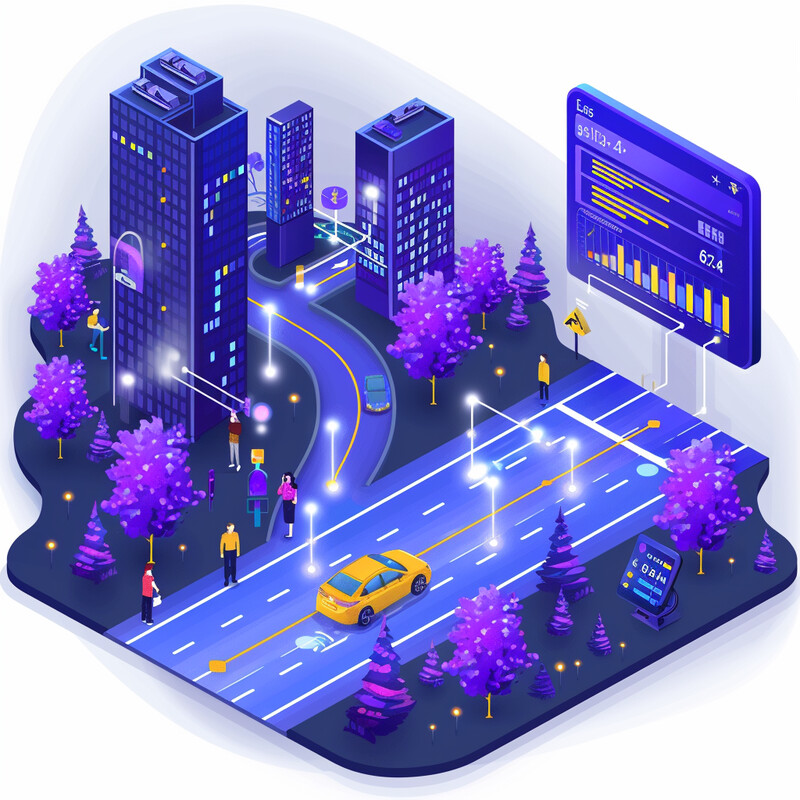
EPA's updated RETIGO viewer shows the operational pattern clearly. The tool lets users visualize mobile or stationary environmental measurements alongside EPA monitors, public air sensors, meteorological stations, and satellite data. Inference: the strongest smart-city monitoring systems are not one sensor at one curb. They are map-based workflows that help teams interpret local measurements against a broader atmospheric and geographic context during smoke, heat, and pollution events.
9. Citizen Engagement
Citizen engagement improves when residents can find services, ask questions, and navigate city systems without waiting for office hours or speaking only one language. AI is strongest here when it expands access and speeds triage while preserving a clear path to staff for complex or high-stakes issues.

Palo Alto's CityAssist pilot is a useful municipal example because it is specific and bounded. The city says the AI chatbot provides an additional 24/7 online service that complements website search and helps residents find information in more than 70 languages. Inference: the most grounded civic-engagement value from AI is practical service navigation, multilingual access, and faster intake, not replacing public meetings or decision-making.
10. Healthcare Services
Healthcare services in a smart city get stronger when hospitals, utilities, and public-health teams can see community change earlier. AI is most credible here as an early-warning and coordination layer built on wastewater surveillance, forecasting, and public-health operations, not as a replacement for clinicians.

CDC's National Wastewater Surveillance System now reports roughly 1,602 sampling sites and an estimated 151 million people covered, and the agency says wastewater data can reveal disease trends before they appear in clinical data. CDC's Center for Forecasting and Outbreak Analytics has also documented wastewater-informed forecasting of COVID-19 hospital admissions. Inference: the strongest smart-city healthcare use is community-level early warning and capacity planning, especially when wastewater, hospitalization, and other public-health signals are analyzed together.
Sources and 2026 References
- Google Research: How Project Green Light uses AI to reduce gas emissions
- Governor of California: TIME Recognizes CAL FIRE AI & AlertCalifornia as a Best Invention of 2023
- NIST: Artificial Intelligence Enabled Smart Firefighting
- EPA SBIR Supports Technology to Improve Recycling
- DOE: Artificial Intelligence for Energy
- Nature Communications: Potential of artificial intelligence in reducing energy and carbon emissions of commercial buildings at scale
- Southern Water: Record year for leak busting
- USDOT ITS Deployment Evaluation: Road Safety Conditions Pilot in California Using Computer Vision and Artificial Intelligence Reported 97 Percent Accuracy in Pothole Detection
- Governor of California: New AI tool to supercharge the approval of building permits
- EPA: EPA Scientists Update REal TIme Geospatial Data Viewer (RETIGO) Web Tool
- EPA: Air Sensor Data Tools
- City of Palo Alto: CityAssist Pilot Service
- City of Palo Alto: New AI Chatbot Service Enhancing Access to Public Information
- CDC: About CDC's National Wastewater Surveillance System
- CDC CFA: Wastewater-informed Forecasting of COVID-19 Hospital Admissions
Related Yenra Articles
- Urban Planning Tools focuses on the planning and permitting side of city decision-making.
- Environmental Monitoring goes deeper into sensor, satellite, and hazard-observation systems.
- Water Quality Monitoring narrows in on one of the most important smart-city utility signals.
- Smart Grids covers the electricity-side control layer in much more detail.
- Disaster Response shows how city sensing and coordination systems matter during emergencies.
- Building Automation Systems covers the building-level controls that feed broader city efficiency gains.