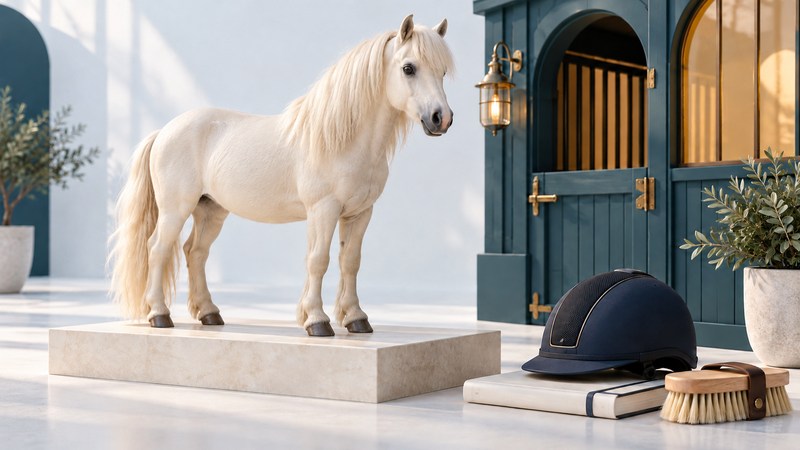
Start with the arrangement your family can sustain through an ordinary school and working week. Lessons, sharing, leasing and ownership offer different amounts of riding and responsibility. A suitable pony, qualified instruction and a dependable care plan matter more than buying quickly or choosing a particular breed.
Begin with lessons and supervised care
For a new rider, regular lessons provide a way to learn while an established centre manages the pony's daily needs. Ask how the centre assesses beginners, matches ponies to riders and supervises children around animals. Include handling, grooming and stable care in the learning plan: riding ability and the ability to manage a pony are different skills.
The British Horse Society's learning-to-ride guidance explains what to expect and how to find instruction. Its centre scheme is a UK resource; elsewhere, investigate local instructor credentials and facility oversight. Ask the instructor about correctly fitted riding head protection, suitable footwear and the equipment required for each activity.
Compare the responsibilities behind the name
Terms such as share, part loan, full loan and lease vary between providers and countries. Write down the actual days, costs and duties offered.
| Arrangement | Potential fit | Clarify before committing |
|---|---|---|
| Lessons | Developing skills with organised support | Instruction, pony matching, supervision and cancellation terms |
| Sharing or part loan | Regular involvement on agreed days | Which care tasks and expenses fall to you, including missed days |
| Full loan or lease | Managing a pony while someone else retains ownership | Housing, veterinary decisions, insurance, permitted activities and return arrangements |
| Ownership | A household ready for continuing responsibility | Daily care, professional support, unexpected bills and the pony's future |
Scroll the comparison horizontally on a small screen.
The BHS loaning guide recommends a written agreement. Discuss illness, injury, changes of yard, notice periods and who can authorise urgent care. Have any contract and insurance questions checked for your own jurisdiction before signing.
Assess the individual pony with experienced help
Describe the rider's present skills, confidence and intended activities honestly. A small pony can still be strong, quick or inexperienced. An instructor who knows the rider can help evaluate size, temperament, training and suitability for the work you actually expect.
View a candidate more than once where possible. Ask to observe ordinary catching, grooming, tacking up and handling, as appropriate to the arrangement. Let a competent person demonstrate before deciding whether a supervised trial is suitable for the prospective rider. Record what happened and what still needs checking.
The BHS buying guide covers preparation, seller questions and warning signs. Before purchase, discuss an independent pre-purchase examination with an equine veterinarian, including your intended use. The examination informs a decision about that animal at that time; future health and suitability still need ongoing assessment.
Price the care plan locally
Get written quotes for the proposed yard and identify what the fee includes. List forage and feed, bedding, hoof care, veterinary and dental care, insurance, equipment, lessons and transport. Keep predictable monthly spending separate from occasional bills and an emergency reserve. The BHS cost guide is useful for identifying categories; obtain current local prices for your own plan.
For every daily task, name the adult responsible and the backup. Include school holidays, winter weather, illness and days when riding is cancelled. Ask the yard how it provides turnout, companionship, water, forage and individual health monitoring. Set the pony's feeding and health programme with qualified professionals.
Make the next conversation concrete
Use the pony arrangement planner to record responsibilities, quotes, unresolved questions and the next review date. Revisit the arrangement as the child grows, interests change or the pony's needs change. A good plan gives the animal dependable care throughout those transitions.