
A few well-chosen poems can open a writer’s world. Begin with a guided introduction to Dickinson, Whitman, Williams, or Eliot, or browse the directory for another voice. This growing selection is concentrated in American poetry and includes both reading guides and earlier book notes.
Choose a starting route
- For a small image with a large inward life: Emily Dickinson. Begin with the bird in “Hope is the thing with feathers.”
- For a voice reaching toward the reader: Walt Whitman. Start with “A Noiseless Patient Spider,” then enter “Song of Myself.”
- For the poetry of ordinary things: William Carlos Williams. Begin with “The Red Wheelbarrow” and listen to the line breaks.
- For changing voices and city scenes: T. S. Eliot. Begin with “Preludes,” then listen to “Prufrock.”
Read one poem twice before deciding whether the writer is for you. Different poems by the same author can offer very different kinds of company.
Writers A–Z
Alphabetical by surname. The descriptions identify what each page currently offers.
John Berryman
Book and contents notes for The Dream Songs and collected poems.

Emily Dickinson
Reading guide. Explore three poems through images, pauses, and speakers, with help identifying editions and manuscript sources.

T. S. Eliot
Reading guide. Begin with Preludes and Prufrock, then enter The Waste Land through changing voices, recurring images, and purposeful use of notes.
Allen Ginsberg
A brief introduction to Howl and Other Poems, with notes on another collection.
Galway Kinnell
Selected-poems contents, poem texts, and biographical notes from 2003.
Anne Sexton
Book notes on the collected poems, biography, and photographs, alongside a long contents list.
Allen Tate
Brief biographical and book notes on the poet, critic, and author of The Fathers.

Walt Whitman
Reading guide. Follow a short poem into Leaves of Grass, listening for repeated structures, changing images, and an expansive voice.
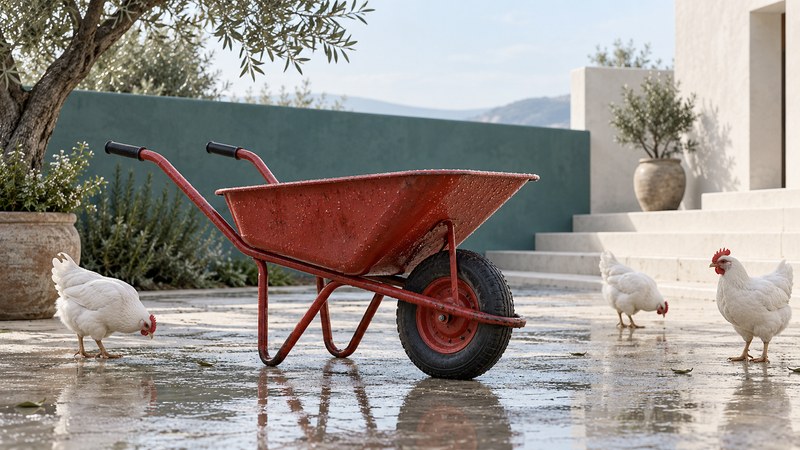
William Carlos Williams
Reading guide. Read ordinary scenes through image, line breaks, and sound, then try a short observation exercise of your own.
Use a poet guide as a beginning
Open the linked poem before reading its commentary. Make one observation of your own, then compare it with the guide. When a passage supports more than one interpretation, describe the words that make each possible. Useful disagreement can send you back to the text with sharper attention.
Keep the author, title or first line, and source edition with your notes. A quotation found elsewhere may have different punctuation or wording. That difference can matter to the reading.
For a route through feelings, occasions, and the practice of reading, visit the Poetry library.