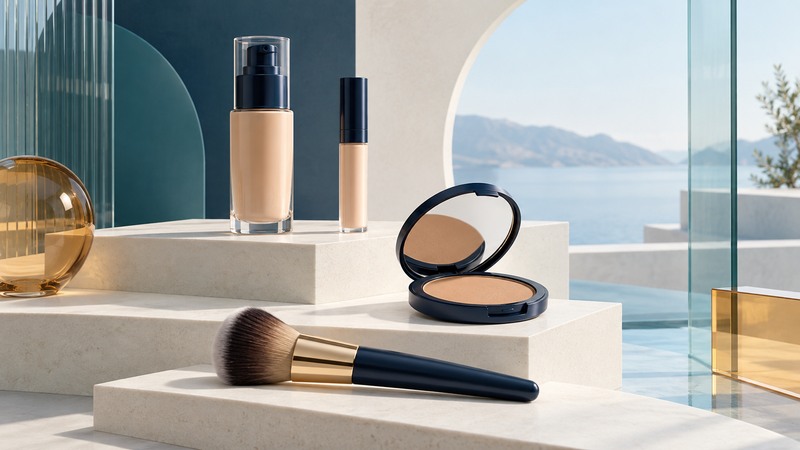
Start a MAC base-makeup purchase with the job you want a product to do: even a larger area, cover a small area, or adjust the finish of makeup already applied. You can build a useful routine with one of these roles and add another only when you can identify what is missing.
Choose the job before the formula
Coverage describes how much underlying color remains visible; finish describes the surface appearance, such as matte or radiant. A matte product can have sheer coverage, and a powder can supply substantial color. The U.S. MAC examples below were checked in September 2026; use the exact product name when comparing labels.
On a narrow screen, scroll the table sideways. Keyboard users can focus the table region and use the arrow keys.
| Role and example | Brand-described format | Useful decision |
|---|---|---|
| Studio Fix Powder Plus Foundation | Pressed powder with medium-to-full buildable coverage and a matte finish; also labeled for setting makeup. | Choose it when you want visible coverage from a powder. Account for the extra coverage if layering it over foundation. |
| Studio Fix 36HR Smooth Angles Concealer | Soft-matte concealer with full, buildable coverage. | Consider it for selected areas where you want more coverage than your existing base supplies. |
| Studio Fix Pro Set + Blur Weightless Loose Powder | Loose setting powder with sheer coverage and a matte finish. | Consider it when the color coverage is already sufficient and your main goal is adjusting shine or setting the base. |
These descriptions identify product roles. Evaluate the result on your own skin before treating a wear-duration claim as a reason to buy.
Build the smallest useful combination
Look at your face in ordinary daylight and decide which areas you actually want to change. If the concern is confined to a few spots, try targeted concealer first. If you want more even color over a broader area, start with foundation and reassess before adding concealer. Add powder where you want its finish, keeping the amount deliberate around areas that already look sufficiently covered.
For Studio Fix Powder Plus Foundation, MAC recommends a fluffy brush for lighter coverage and the included sponge or a denser application brush for building it. The brand also says to store the sponge in the compartment beneath the powder. Follow the current application instructions for your version.
Example: a covered base with a shiny center
A fictional shopper likes the color and coverage of an existing liquid foundation but wants a less shiny nose and forehead. A sheer setting powder is the first role to try. If they choose powder foundation instead, they should check whether the additional pigment makes those areas look heavier than the cheeks. The observation determines whether to change the product role or simply the amount.
Confirm the shade in the finished routine
Use MAC’s foundation shade finder to make a shortlist. Record the full formula name and shade code together: a code by itself leaves out the finish, coverage and version you tried. For an in-person comparison, ask for neighboring depths and undertones and judge the blended result against the face and neck in daylight.
Test the combination you intend to wear. A powder placed over foundation becomes part of the final color, so inspect the completed base as well as each individual swatch. Choose the concealer shade according to its intended job: matching a spot and deliberately brightening an area are different visual goals.
Use the foundation trial record to note preparation, products, shade, amount, lighting and later appearance. The foundation wear-trial guide explains how to compare two candidates without changing several conditions at once.
Use the result to make one adjustment
- Coverage looks heavy: repeat with less product in that area before adding another finishing step.
- The finished color differs from the initial swatch: compare the foundation alone with the full combination, using the same lighting.
- You like the base except in one small area: adjust that area with concealer instead of automatically increasing all-over coverage.
Keep applicators clean and cosmetics for personal use. FDA’s cosmetic-use guidance explains handling and sharing precautions. For the skin-care steps beneath makeup, see the simple routine guide.