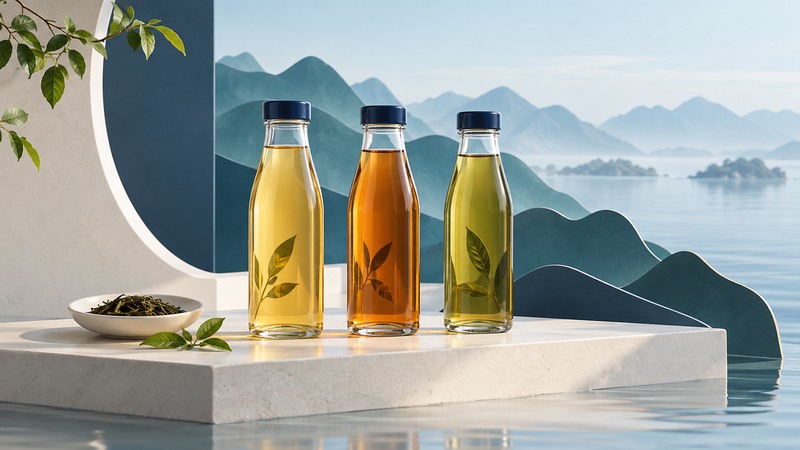
A bottled tea can carry several useful descriptions at once: the leaf's origin, the brewing method, added ingredients and storage requirements. Read them separately, then decide whether the finished drink fits your taste, caffeine preferences and intended portion.
Understand the Argo single-estate example
Argo Tea announced a cold-brew single-estate bottled range in October 2017, naming individual origins and offering several tea and herbal selections. The company announcement distributed through Business Wire is a historical example of how origin and process were used to describe bottled tea. Its launch prices and distribution plans belong to that date.
For a bottle being sold today, use the current ingredient panel, producer information and storage directions. If a familiar product has changed packaging, check the details again before assuming the same recipe or source.
Ask what single-estate identifies
An estate claim is most useful when the producer names the estate and location and explains which ingredient the claim covers. Record that name alongside the tea type. If origin is central to your purchase, look for a batch or lot reference and ask how the producer traces the leaf to its source.
A bottle may combine an estate tea with flavorings or other ingredients. Read the full formulation to understand the scope of the origin claim. When the estate is unnamed or the explanation is vague, treat the origin as an unanswered question in the comparison.
Scroll the table horizontally on a narrow screen. Keyboard: focus the table region and use the arrow keys.
| Package detail | Question it helps answer | What to record |
|---|---|---|
| Estate or growing region | Where is the named leaf said to come from? | Estate, country or region, and scope of the claim |
| Tea or herbal ingredient | What is the beverage based on? | Black tea, green tea, mint or other named ingredients |
| Cold-brew description | What process does the maker say it uses? | Any disclosed brewing details and the finished product type |
| Nutrition and ingredients | How is the drink sweetened or flavored? | Serving size, sugars, sweeteners and additions |
| Storage directions | How must this particular product be handled? | Before-opening and after-opening instructions |
Separate brewing method from the finished formula
Cold brew describes a preparation approach. For a packaged drink, the useful evidence is what the manufacturer says about its process and what appears in the finished bottle. A smooth taste can be worth choosing on its own; claims about special health effects need evidence for the claimed outcome.
Use the ingredient list to distinguish tea from an herbal infusion or a mixture. Caffeine information is a separate check: brewing language alone cannot give you an amount per bottle. If the package lacks a figure and caffeine matters to your decision, contact the producer with the exact product name. See FDA's caffeine guidance for the broader context of individual sensitivity and multiple sources.
Compare the amount you will drink
Read both serving size and container size. Illustrative example: a 450 mL bottle lists 9 g total sugars per 150 mL serving. The bottle contains three such servings, so finishing it supplies 27 g total sugars. A 150 mL tasting portion supplies 9 g.
For two bottles with different serving sizes, convert each to the same volume before comparing. Multiply the listed amount by your chosen volume divided by the listed serving volume. Keep total and added sugars distinct. FDA's Nutrition Facts explanation describes how the serving and nutrient information work together.
The calculation may reveal that a larger bottle is a different portion from the one you expected. It can also help compare an unsweetened tea with a sweetened version without relying on package size or color.
Run a simple tasting
Choose two or three products you can handle according to their labels. Chill them to a comparable serving temperature if appropriate, then pour equal 30 mL samples into similar glasses. Label the glasses with simple codes and keep the bottle key separately.
Taste in sequence, noting aroma, sweetness, bitterness, mouth-drying sensation and finish. Take a sip of water between samples. Then reveal the labels and compare your impressions with the ingredients. This is an informal preference exercise; it offers no measurement of nutrient content or brewing chemistry.
Record the product and lot where available, serving temperature, date and whether you tasted it alone or with food. Those details help explain why the next bottle might seem different.
Follow the bottle's storage instructions
Check whether the unopened product requires refrigeration and what changes after opening. “Cold brew” is insufficient to determine shelf stability or an after-opening lifespan. Keep the directions and date code available until the bottle is finished, and contact the producer if they are unclear.
For a warm drink you can adjust yourself, try the measured chai latte recipe. For interpreting a tea-related health claim, continue with green tea and human evidence.