Bluetooth is best understood as a family of short-range wireless technologies rather than one single feature. Bluetooth Classic still does much of the familiar work for audio and car connections. Bluetooth Low Energy (LE) is optimized for small battery-powered devices, sensors, accessories, beacons, and newer audio features. Profiles and services then define what connected products actually do: stream sound, report heart rate, move a mouse pointer, unlock a car, sync a watch, or control a light.
The modern Bluetooth story is about fit-for-purpose wireless. A headset needs low-latency audio and microphones. A watch needs efficient background sync. A keyboard needs reliable input. A sensor may need to run for months or years. A smart speaker needs quick pairing and predictable reconnection. Bluetooth succeeds when the radio, profile, operating system, and user interface all match the job.
1. Smartphones
Smartphones are the central Bluetooth hub for daily life. They pair with earbuds, watches, cars, speakers, keyboards, trackers, health devices, game controllers, hearing aids, and smart home accessories.
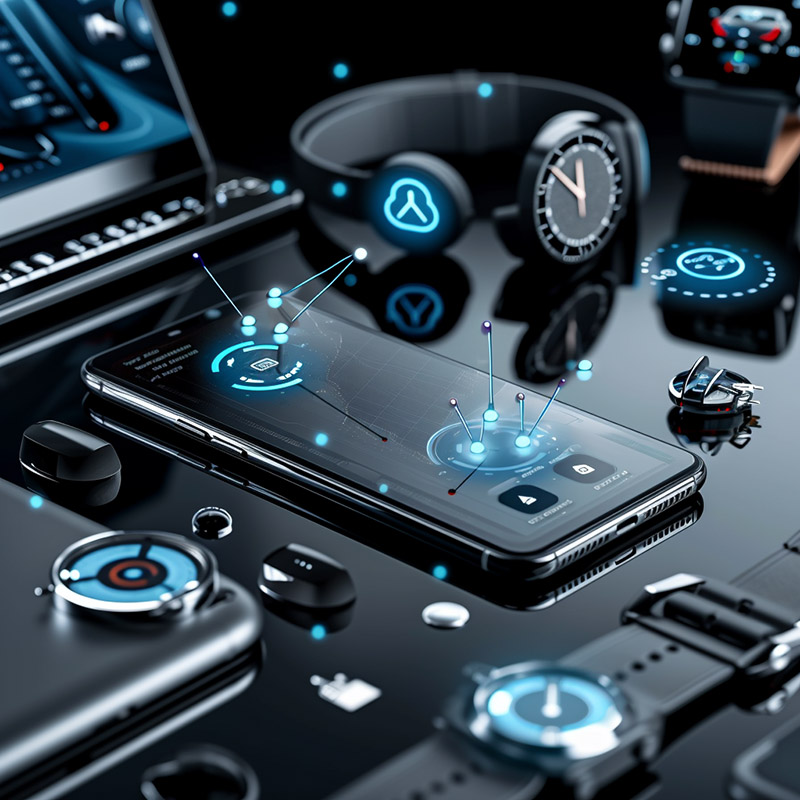
Before Bluetooth became standard on phones, many accessories needed proprietary cables, docks, adapters, infrared links, or device-specific receivers. Each connection solved one problem but added another object to carry, charge, configure, or lose.
Bluetooth gives phones a common nearby-device layer. It enables pairing, discovery, background sync, audio routing, accessory control, and local data exchange without relying on Wi-Fi credentials or cellular service for every interaction.
The Bluetooth SIG describes Bluetooth technology as offering two radio options: Bluetooth Classic and Bluetooth LE. Inference: smartphones are powerful Bluetooth platforms because they support many profiles across both worlds, acting as the user-facing bridge between tiny devices and larger cloud or app ecosystems.
2. Wireless Headphones and Earbuds
Wireless headphones and earbuds remain Bluetooth's most visible consumer success, and the category is now shifting toward LE Audio, better hearing-aid support, and Auracast broadcast audio.
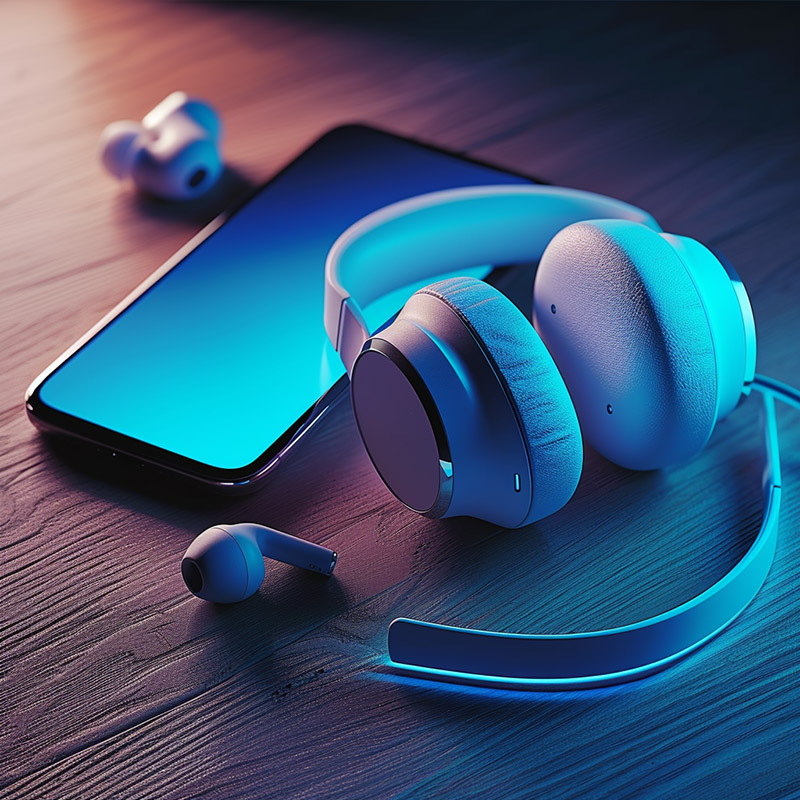
Before Bluetooth audio matured, mobile listening meant wired headphones, proprietary wireless systems, or bulky headsets with inconsistent sound and battery life. The disappearance of headphone jacks made wireless audio even more central.
Classic Bluetooth audio made cable-free listening ordinary. LE Audio adds the LC3 codec, multi-stream possibilities, lower-power designs, and Auracast broadcast audio, where one source can broadcast to multiple compatible receivers in public or shared spaces.
The Bluetooth SIG says LE Audio enhances Bluetooth audio, adds hearing-aid support, and introduces Auracast broadcast audio. Inference: the next important headphone transition is less about "no wires" and more about shared listening, accessibility, battery efficiency, and interoperable public audio.
3. Smartwatches
Smartwatches use Bluetooth to keep a low-power link with phones for notifications, calls, media controls, health sync, setup, and companion-app communication.
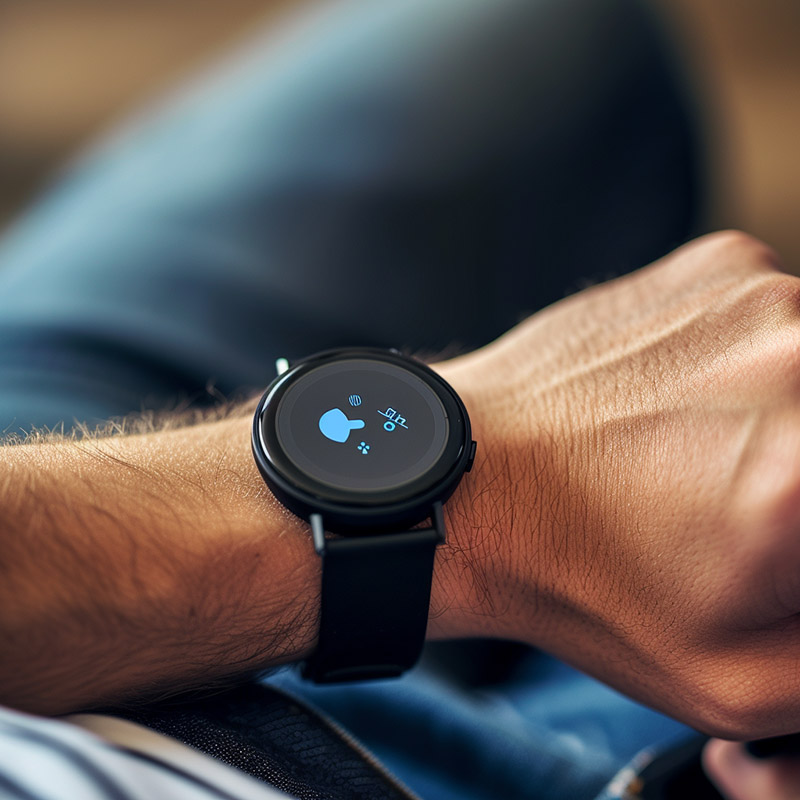
Before Bluetooth-connected smartwatches, wrist devices were mostly independent tools: timekeepers, sports watches, pedometers, or notification pagers. Moving data between wrist and phone was less seamless and often required cables or manual sync.
Bluetooth LE makes the watch-phone relationship practical because it can maintain small, frequent exchanges without draining batteries too quickly. A watch can stay useful while the phone handles heavier networking, account management, and app services.
Bluetooth LE is designed for low-power communication and is widely used for connected devices that exchange modest amounts of data. Inference: smartwatches are a strong Bluetooth LE use case because the link has to be always available enough to feel instant but efficient enough to survive daily wear.
4. Wireless Keyboards and Mice
Bluetooth keyboards, mice, trackpads, and styluses remove desk clutter and make one input device easier to use across laptops, tablets, phones, media boxes, and sometimes multiple paired hosts.

Before Bluetooth input devices were common, wireless keyboards and mice often required proprietary USB dongles. Those dongles worked well, but they occupied ports, created compatibility limits, and were easy to misplace.
Bluetooth Human Interface Device (HID) support lets computers and mobile devices accept standardized input from many vendors. The result is a cleaner workspace and a more flexible accessory market.
The Bluetooth SIG's HID over GATT Profile defines how Bluetooth LE devices can support Human Interface Device services. Inference: the quiet value of Bluetooth input devices is standardization; the keyboard feels simple because the profile hides a lot of interoperability work.
5. Fitness Trackers
Fitness trackers use Bluetooth LE to sync health and activity data to phones without requiring a full Wi-Fi stack, large battery, or cable-based upload.
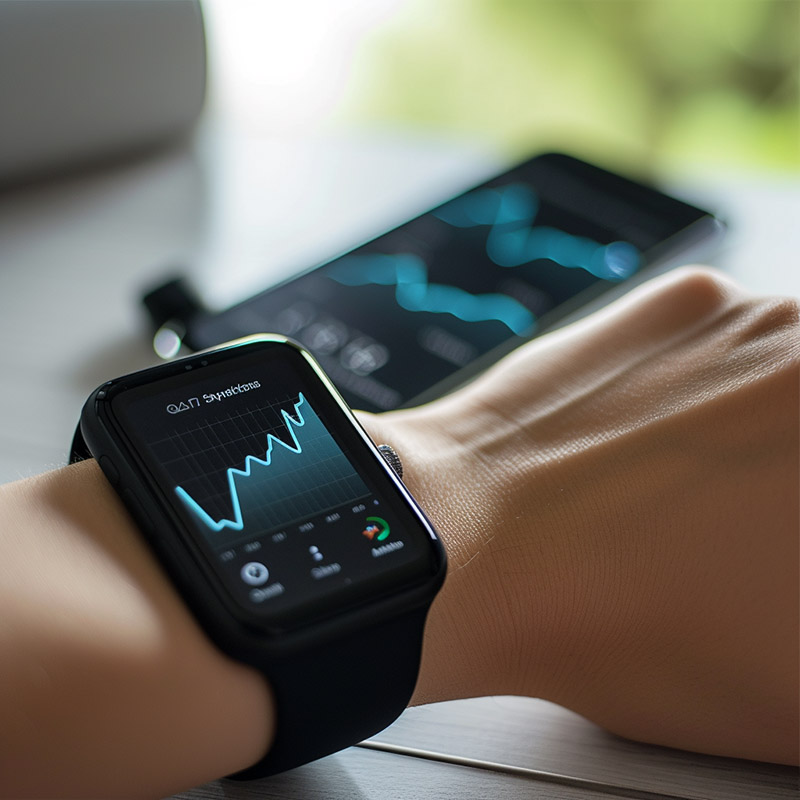
Before Bluetooth fitness trackers, activity data was often trapped on a device until it was manually entered, connected to a computer, or synced through a proprietary cradle. That made daily feedback less immediate.
Bluetooth lets a tracker send steps, workouts, heart rate, sleep, battery status, settings, and firmware updates through a phone companion app. The health product can stay small while the phone handles display, analytics, account sync, and sharing controls.
Bluetooth LE and the Generic Attribute Profile (GATT) support structured device services for battery-powered peripherals. Inference: fitness trackers work well over Bluetooth because they usually need frequent small messages, not large continuous data transfers.
6. Home Entertainment Systems
Home entertainment products use Bluetooth for speaker pairing, soundbars, TV audio, remotes, music sharing, setup flows, and convenient fallback audio when Wi-Fi streaming is unavailable or unnecessary.
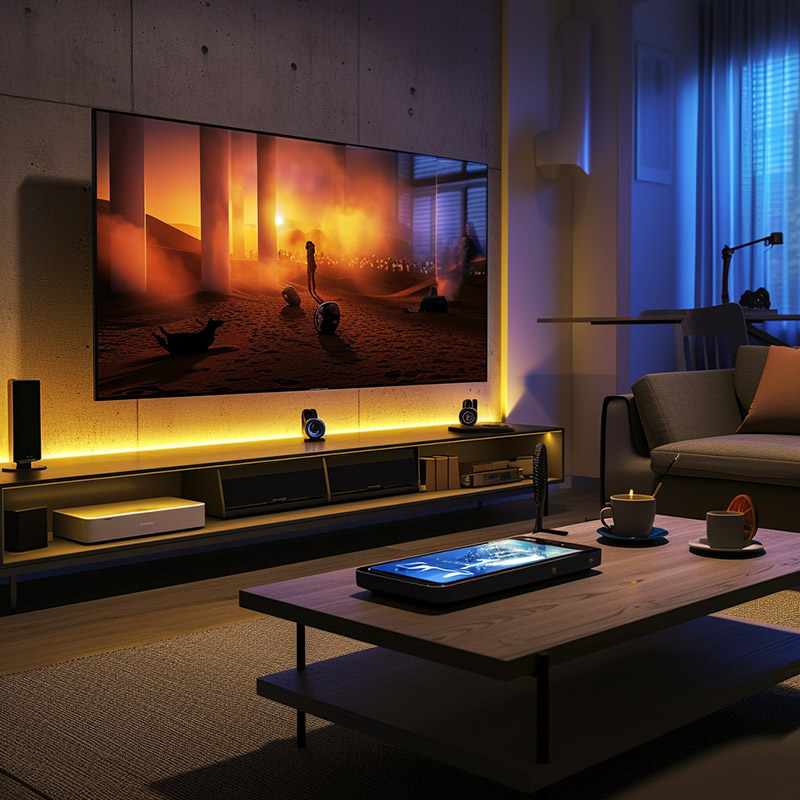
Before Bluetooth became common in living rooms, audio routing often meant RCA cables, optical cables, 3.5 mm inputs, docks, IR remotes, or home-theater wiring that was awkward to reconfigure for casual listening.
Bluetooth makes a living-room device more flexible. A soundbar can accept phone audio. A TV can pair to headphones. A remote can connect without line of sight. A speaker can play from a guest device without requiring Wi-Fi setup.
Bluetooth Classic is mainly used to enable wireless audio streaming and has become a standard radio protocol for wireless speakers, headphones, and in-car entertainment systems, according to the Bluetooth SIG. Inference: home entertainment remains one of the places where Bluetooth Classic and newer LE Audio capabilities will coexist for years.
7. Smart Home Devices
Smart home products use Bluetooth for onboarding, nearby control, sensors, lighting, locks, remotes, beacons, and mesh networks where low-power local communication matters.
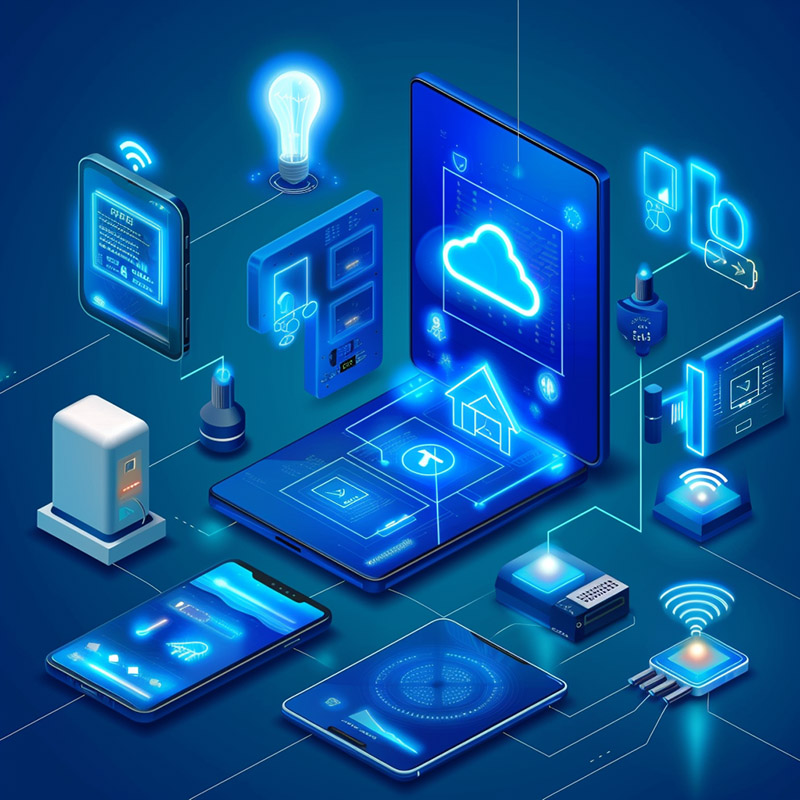
Before Bluetooth LE and mesh options matured, many small smart home devices either needed proprietary hubs, Wi-Fi radios with higher power needs, or manual setup flows that were fragile for everyday users.
Bluetooth can help during setup even when the device later uses Wi-Fi, Thread, or Ethernet. In Bluetooth mesh deployments, many nodes can relay messages across a building for lighting, sensors, and control systems.
The Bluetooth SIG describes Bluetooth technology as useful for sending messages between thousands of nodes in building automation, and Bluetooth Mesh was designed for many-to-many device networks. Inference: Bluetooth in the smart home is strongest when it is chosen for local control, low power, provisioning, or mesh behavior rather than forced into jobs better handled by broadband networking.
8. In-Car Systems
Cars use Bluetooth for hands-free calling, media streaming, contacts, voice assistant integration, keyless features, diagnostics, and companion-device experiences.
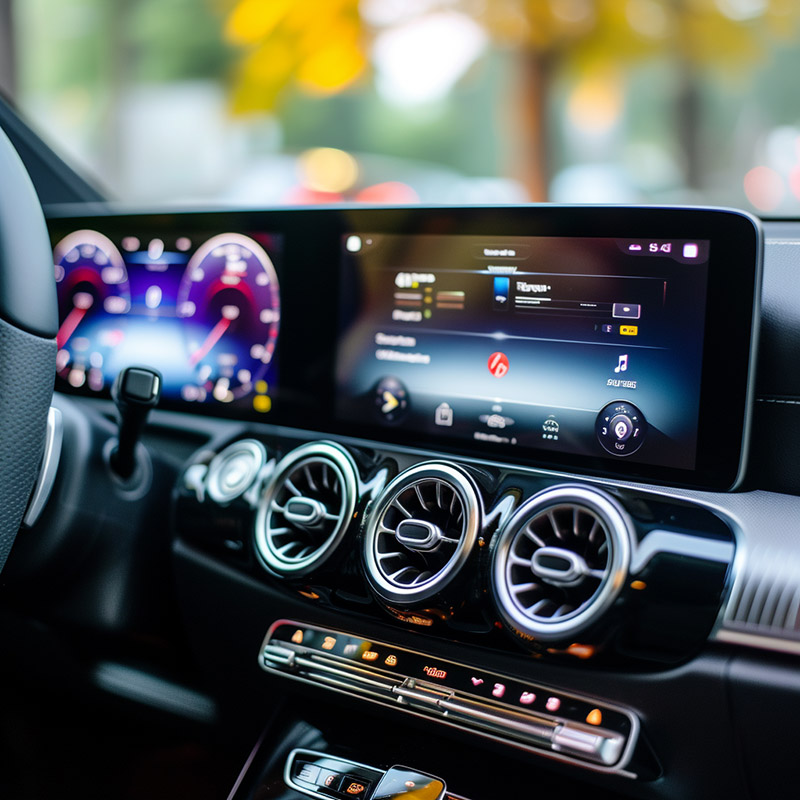
Before Bluetooth, connecting a phone to a vehicle often required wired adapters, aftermarket kits, headset-style accessories, or no integration at all. Calls and music were more distracting and less integrated with steering-wheel controls or dashboard displays.
Bluetooth made the phone-car relationship familiar. The car can route call audio through the cabin, show media metadata, control playback, import contacts, and reconnect automatically when the driver returns.
Bluetooth Channel Sounding is now positioned by the Bluetooth SIG for distance-aware experiences such as digital key solutions and protection against relay attacks. Inference: in-car Bluetooth is expanding from audio convenience into proximity-sensitive access, where knowing that an authorized device is truly nearby becomes part of security.
9. Portable Speakers
Portable speakers use Bluetooth because the connection model matches the product: quick pairing, phone-first audio, outdoor use, battery operation, and casual sharing.
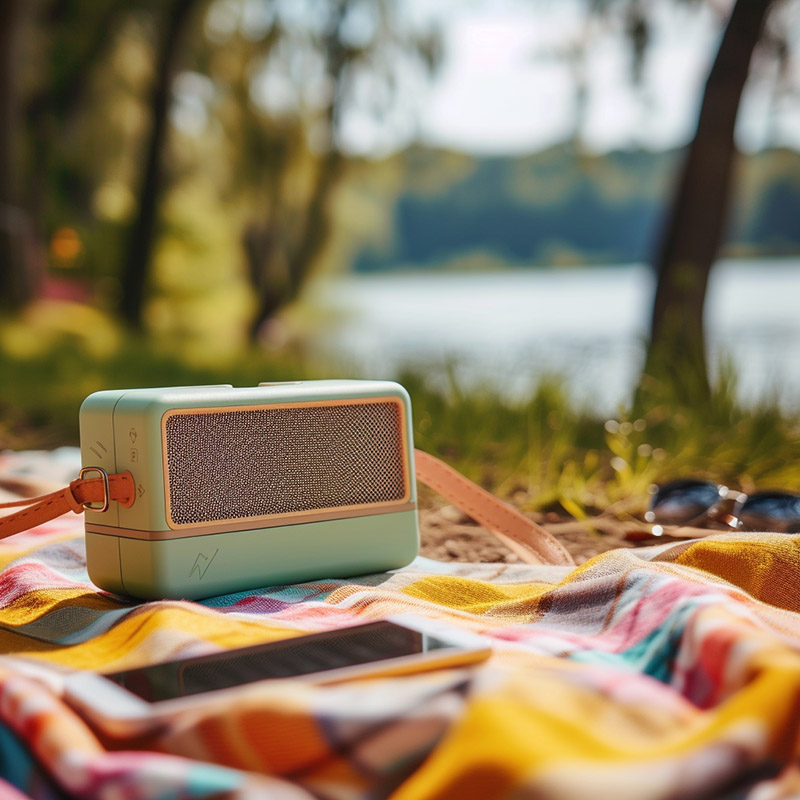
Before Bluetooth speakers, portable audio meant wired inputs, docks, FM transmitters, CDs, MP3 players, or speakers tied to one connector ecosystem. Sharing music from a friend's phone was often awkward.
Bluetooth speakers made portable audio device-agnostic. They can pair with phones, tablets, laptops, and some TVs without local network setup. Newer products are beginning to add LE Audio and Auracast-style sharing, but compatibility depends on both source and speaker support.
Auracast broadcast audio is designed to let compatible receivers join a broadcast audio stream, and the Bluetooth SIG frames it as one of LE Audio's major new uses. Inference: portable speakers are moving from one-phone-to-one-speaker convenience toward more flexible shared and multi-listener audio experiences, though device support is still uneven.
10. Gaming Controllers
Bluetooth controllers let consoles, PCs, phones, tablets, and cloud-gaming devices support flexible play without a cable or proprietary receiver in every setup.
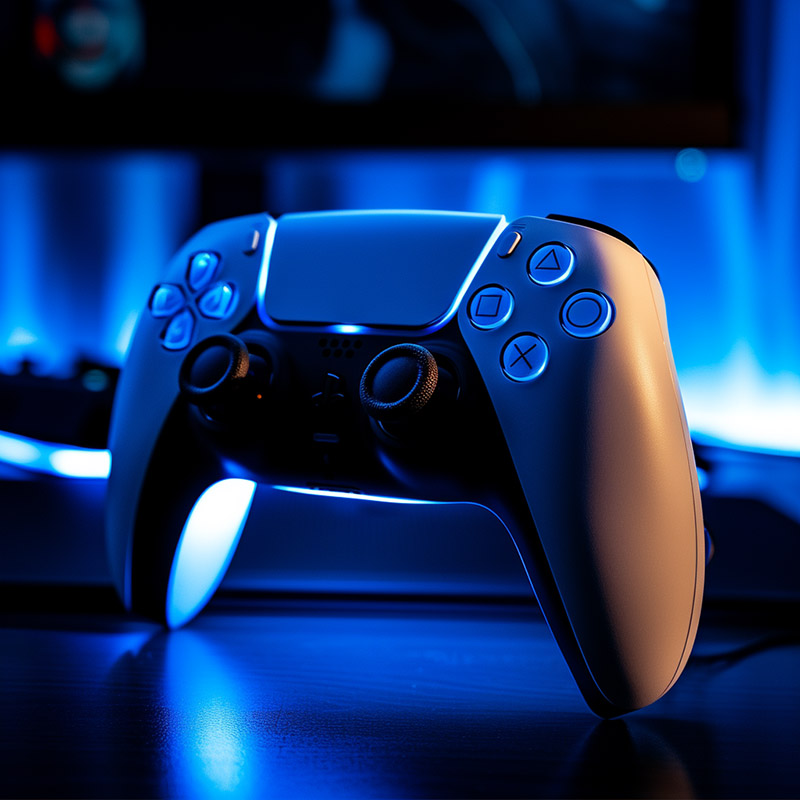
Before Bluetooth controller support became normal, wireless gaming often depended on console-specific radios, USB adapters, or wired gamepads. That worked inside one ecosystem but made cross-device play clumsy.
Bluetooth gives controllers a broader compatibility path for mobile gaming, emulation, PC gaming, tablets, and media devices. Low latency, reconnection reliability, battery life, and button-mapping support still determine whether the experience feels good.
Bluetooth HID support covers human input devices, while Channel Sounding may also help nearby devices react to distance in future designs. Inference: gaming controllers show Bluetooth's balancing act: convenience and interoperability matter, but real-time controls must also feel immediate.
What Makes Bluetooth Work Better
- Use the right Bluetooth mode: Classic remains common for legacy audio, while Bluetooth LE is usually better for small sensors, accessories, wearables, and newer LE Audio designs.
- Check profile support, not just version numbers: Bluetooth 5.x or 6.x on a box does not guarantee LE Audio, Auracast, HID, mesh, or a specific codec.
- Plan for coexistence: Bluetooth shares the 2.4 GHz band with Wi-Fi and many other devices, so antenna design, placement, firmware, and interference handling matter.
- Design pairing and recovery carefully: users judge Bluetooth by whether devices connect, reconnect, switch hosts, and recover gracefully after sleep or battery loss.
- Watch the new location features: Direction Finding and Channel Sounding are expanding Bluetooth beyond connection into proximity, distance awareness, digital keys, and item finding.
Bluetooth is strongest when it feels boring in the best sense. The user opens the case, taps a key, starts the car, moves the mouse, joins the call, starts the workout, or plays the song, and the wireless link simply does its job.
Sources and 2026 References
- Bluetooth SIG: Bluetooth Technology Overview
- Bluetooth SIG: LE Audio
- Bluetooth SIG: Bluetooth Core 6.0 Feature Overview
- Bluetooth SIG: Bluetooth Core Specification 6.1
- Bluetooth SIG: Bluetooth Channel Sounding
- Bluetooth SIG: Bluetooth Low Energy Primer
- Bluetooth SIG: HID Over GATT Profile
- Bluetooth SIG: 2025 Market Update
- Bluetooth SIG: Bluetooth ESL and Periodic Advertising with Responses
Related Yenra Articles
- Bluetooth Advances looks at earlier Bluetooth development and adoption milestones.
- Smart Home Devices explores connected home systems where Bluetooth can help with setup, sensing, and local control.
- AI IoT Devices covers the larger connected-device layer that Bluetooth LE often feeds with local telemetry.