Language translation services get stronger in 2026 when they are treated as multilingual content systems rather than as raw sentence converters. The most credible gains now come from machine translation, automatic speech recognition, speech synthesis, domain glossaries, and translation memory that keeps recurring language aligned over time.
That matters because the job is larger than sentence accuracy alone. Enterprise translation teams now care about document structure, terminology control, subtitling, dubbing, support workflows, custom models, low-resource coverage, and how quickly a system can move from a draft translation to a reviewed, publishable asset. The strongest services therefore combine model quality with operational controls.
This update reflects the category as of March 22, 2026. It focuses on the parts of AI translation that feel most real now: low-latency speech translation, document-level context, quality estimation, terminology consistency, user-generated language, low-resource support, workflow integration, media localization, format-preserving delivery, and domain adaptation.
1. Real-Time Translation
Real-time translation is strongest when it is built for live conversation, bounded latency, and clear escalation paths instead of promising flawless interpretation in every setting.

Microsoft says Azure Speech supports real-time, multi-language speech-to-speech and speech-to-text translation of audio streams, including language switching within the same session and live translated output. Meta says SeamlessM4T supports speech recognition for nearly 100 languages and speech-to-speech translation from nearly 100 input languages into 36 output languages. Inference: live translation is now operationally credible for many meeting, travel, and support scenarios when teams still account for language coverage, noise, and human fallback.
2. Contextual and Document-Level Understanding
Translation quality improves most when systems can use surrounding sentences, reference examples, and document context instead of translating every segment as an isolated string.

Google Cloud's adaptive translation lets teams provide example translations in a dataset or directly in the request, and automatically selects similar reference sentences to tailor output. The OpenWHO WMT 2025 paper found that document-level context is most useful in specialized domains such as health and literature, and reported a +4.79 ChrF improvement for Gemini 2.5 Flash with document-level context over NLLB-54B on its low-resource health test set. Inference: the strongest translation services now look increasingly like context-aware document workflows, not sentence-only pipelines.
3. Quality Estimation and Terminology Consistency
Production translation gets stronger when services score risk, track terminology consistency, and surface outputs that need review rather than treating every generated sentence as equally trustworthy.

Uhlig et al. at WMT 2025 introduced Direct Quality Optimization, using a pretrained translation quality estimation model as a proxy for human preferences and verifying gains through automatic metrics and human evaluation. The WMT25 Terminology Translation Task separately found that providing proper terminology consistently boosts overall translation quality and term accuracy, with evaluation covering terminology accuracy and consistency. Inference: strong translation services now pair quality estimation with controlled terminology instead of assuming fluency alone equals correctness.
4. Slang, Idioms, and User-Generated Language
AI translation is improving on colloquial language, but slang, idioms, and culture-bound references still become strongest in production when systems propose options and humans keep final control.

RoCS-MT v2 at WMT 2025 is explicitly designed to challenge MT systems on user-generated content sourced from Reddit and re-annotated for non-standard language phenomena, showing how messy real-world colloquial input remains. A 2025 MT Summit study on culture-specific items argues that hybrid human-machine workflows and culturally aware tools remain crucial when translators must choose among contextually informed alternatives. Inference: translation services are better at informal language than they were a few years ago, but slang-heavy and culture-rich text still benefits from assisted review.
5. Support for Rare and Low-Resource Languages
Low-resource translation gets strong when multilingual base models are combined with domain evaluation, local adaptation, and realistic expectations about where quality still varies.

Nature's NLLB work scaled neural machine translation to 200 languages, a meaningful jump in multilingual coverage. The OpenWHO WMT 2025 paper adds a health translation corpus spanning more than 20 languages, including nine low-resource languages, and reports that modern LLMs can outperform traditional NMT on that specialized low-resource benchmark. Inference: support for rare languages is materially stronger in 2026, especially where teams can validate performance on local terminology and real domain content instead of assuming broad multilingual coverage is enough.
6. Integration with Content and Workflow Systems
Translation becomes more valuable when it is connected to the systems where content already lives, including websites, apps, support operations, localization pipelines, and internal review queues.
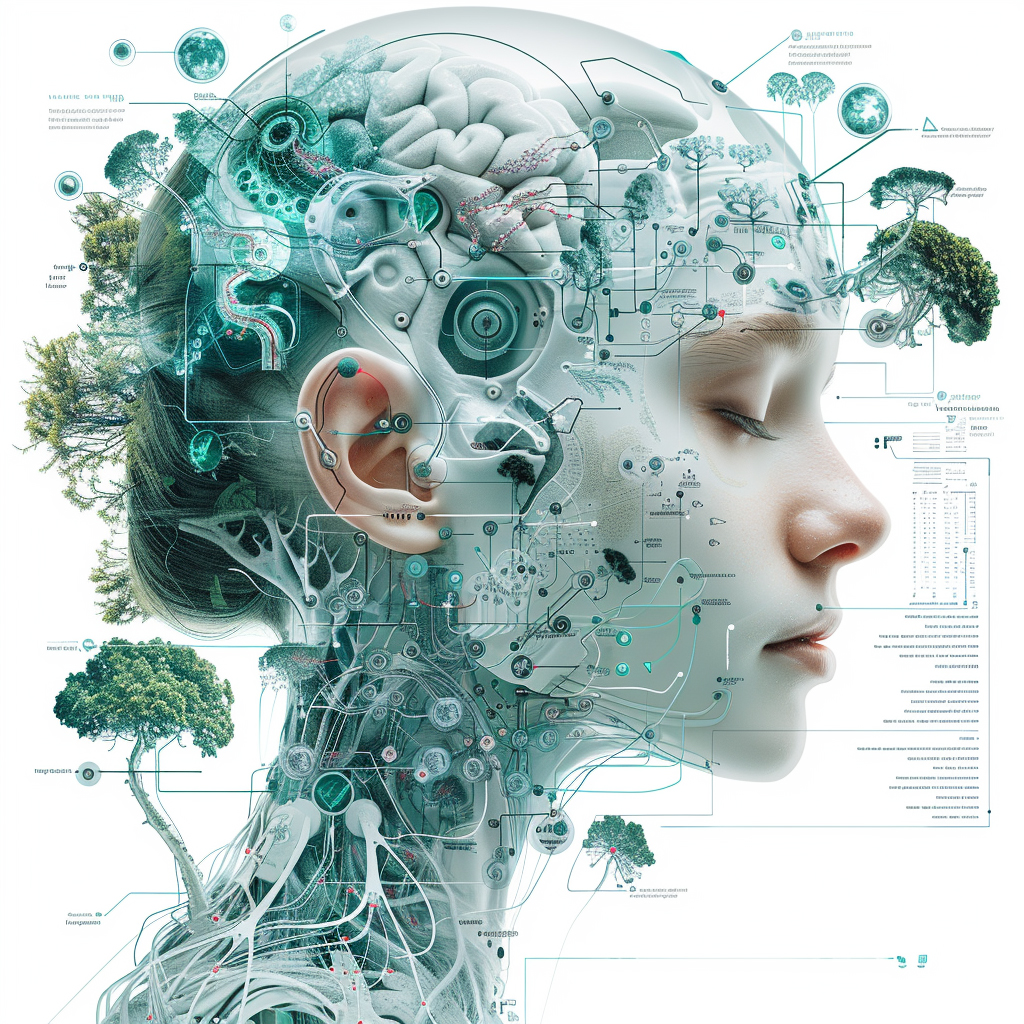
Microsoft says Custom Translator systems integrate into existing applications, workflows, and websites through the same Translator Text API used for production translation. DeepL's v3 glossary endpoints support multilingual glossaries, letting teams manage dictionaries across language pairs through the API rather than by hand in separate tools. Inference: strong translation services increasingly look like workflow infrastructure, not a standalone box where users paste text and hope for the best.
7. Automated Subtitling and Dubbing
Media localization gets strong when AI assists transcription, translation, timing, and voice output together, while editors still handle final pacing, performance, and brand or legal review.
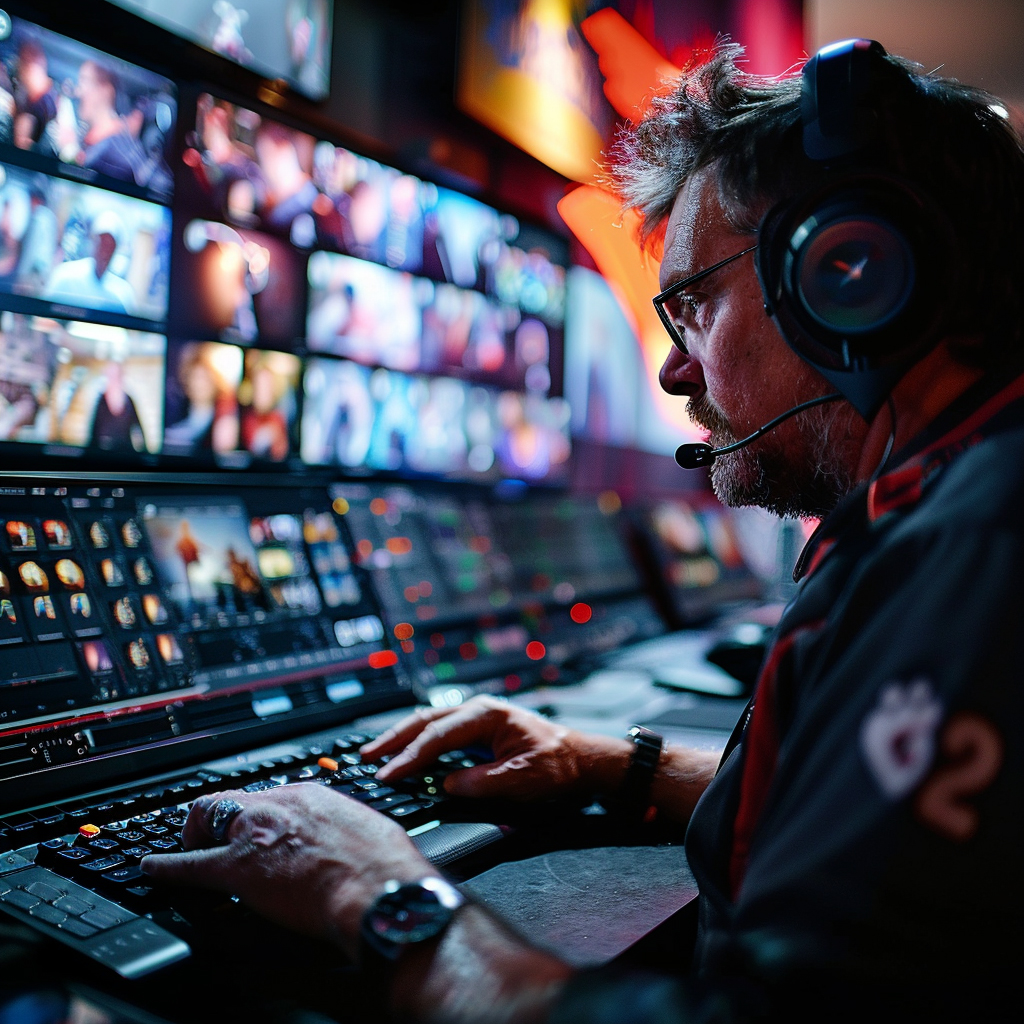
Azure Speech already supports speech translation plus read-aloud translated output using pretrained voices. EMNLP Findings 2025 introduced Dub-S2ST, explicitly targeting textless speech-to-speech translation for seamless dubbing. Inference: subtitling and dubbing workflows are moving from manual-only pipelines toward AI-assisted localization stacks that can accelerate multilingual publishing while still benefiting from editorial review.
8. Scalable Delivery with Format Preservation
Scale matters, but operational usefulness matters more. Strong translation services preserve enough structure, formatting, and document fidelity that teams can actually publish what comes out.

Google documents synchronous and batch translation support for DOC, DOCX, PDF, PPT, PPTX, XLS, and XLSX, along with glossary creation from TMX, CSV, or TSV files. Its adaptive translation documentation also notes that HTML tags are preserved and only the text between them is translated. Inference: translation services now feel strong not just because they are fast, but because they can move through the document types and markup structures real organizations already use.
9. Voice Recognition and Speech Translation
Voice translation gets better when speech recognition, translation, and spoken output are tuned as one system instead of being loosely stitched together across separate components.

Azure says multilingual speech translation can work without a specified input language, handle language switches within the same session, and support live streaming translation scenarios such as travel or business meetings. Meta says SeamlessM4T's unified multimodal design reduces errors and delays compared with pipelines built from separate models. Inference: voice translation is getting stronger because the stack is becoming more integrated, not just because each individual component is slightly better.
10. Domain Customization, Glossaries, and Translation Memory
The strongest translation services no longer rely on one generic model. They combine domain adaptation, glossary control, and translation memory so repeat content stays consistent and reviewers spend less time fixing avoidable drift.

Microsoft says Custom Translator can build systems from previously translated documents, supports dictionary-only training, and accepts parallel material including TMX, XLIFF, DOCX, PDF, and XLSX. Google's adaptive translation can use example translation pairs from TSV or TMX files, while DeepL's multilingual glossary API lets teams manage dictionaries across language pairs. Inference: in 2026, strong translation services increasingly mix custom models, glossaries, and reusable bilingual assets that function much like modern translation memory.
Related AI Glossary
- Machine Translation explains the multilingual model layer at the center of modern translation systems.
- Translation Memory covers the reusable approved segment history that keeps recurring language stable across projects.
- Cross-Lingual Information Retrieval matters when multilingual search and evidence retrieval support translation or review.
- Automatic Speech Recognition (ASR) powers transcription and many live speech translation workflows.
- Speech Synthesis explains the spoken-output layer behind dubbing, voice translation, and read-aloud localization.
- Digital Accessibility connects translation to captions, inclusive communication, and multilingual access.
Sources and 2026 References
- Microsoft Learn: Speech translation overview - Speech service.
- Microsoft Learn: What is Custom Translator?.
- Google Cloud Documentation: Translate text by using adaptive translation.
- Google Cloud Documentation: Supported formats quick reference.
- DeepL Documentation: Glossaries.
- Meta: Introducing SeamlessM4T, a Multimodal AI Model for Speech and Text Translations.
- Nature (2024): Scaling neural machine translation to 200 languages.
- WMT (2025): OpenWHO: A Document-Level Parallel Corpus for Health Translation in Low-Resource Languages.
- WMT (2025): Cross-lingual Human-Preference Alignment for Neural Machine Translation with Direct Quality Optimization.
- WMT (2025): Findings of the WMT25 Terminology Translation Task: Terminology is Useful Especially for Good MTs.
- WMT (2025): RoCS-MT v2 at WMT 2025: Robust Challenge Set for Machine Translation.
- Machine Translation Summit (2025): The Challenge of Translating Culture-Specific Items.
- Findings of ACL: EMNLP (2025): Dub-S2ST: Textless Speech-to-Speech Translation for Seamless Dubbing.
Related Yenra Articles
- Localization and Geopolitical Analysis expands the multilingual workflow from translation into geoparsing, cross-lingual retrieval, and regional media monitoring.
- Legal Document Analysis shows where translation quality, terminology control, and multilingual review become high-stakes.
- Radio and Podcast Production connects translation to subtitles, transcripts, dubbing, and multilingual audio publishing.
- Language Learning Apps covers adjacent speech, feedback, and conversational systems that also depend on multilingual AI.
- Personalized Travel Itineraries shows a user-facing case where real-time translation and local-language content directly improve the trip experience.