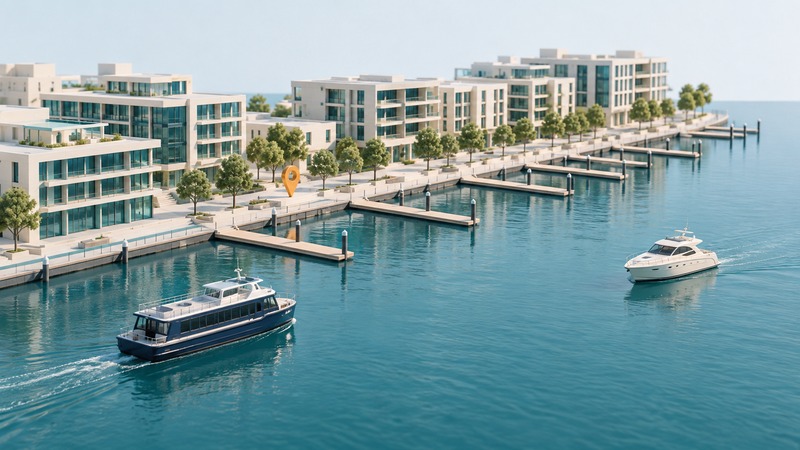
Choose how you want to reach The Wharf before choosing the day’s activities. A passenger water taxi, a visitor berth and a paddling outing each use different facilities and arrangements. Confirm the arrival point and the way home together.
A visitor-planning guide checked September 18, 2026. Services are seasonal and can change with weather or events. Private-boat navigation requires current charts, notices and competent passage planning.
Choose the arrival option that fits the group
The Wharf is on Washington DC’s Washington Channel. Its waterfront directory separates marinas, short visits, cruises and other services. Use the named facility and operator, not simply “The Wharf,” when asking about a reservation. Passenger pickup, transient boat docking and paddling access are different services.
On a narrow screen, scroll the table sideways. Keyboard users can focus the table and use the arrow keys.
| Option | Best starting point | Verify before departure |
|---|---|---|
| Passenger water taxi | Official route and booking information | Boarding pier, date-specific departures and return availability |
| Your own boat | The Wharf Marina reservation desk | Vessel fit, berth, stay duration, fees and arrival instructions |
| Kayak or paddleboard | Current rental operator or designated launch information | Season, launch permission, skill requirements and return deadline |
For a group with mobility needs, ask about the entire boarding route: surface, slope, steps, gangway, vessel entrance and assistance available on that departure. A public waterfront promenade and a particular boat can have different access conditions. Confirm space for any mobility device directly with the operator.
Book passenger travel around the return trip
The official water-taxi page identifies Transit Pier and connections serving Georgetown, Old Town Alexandria and National Harbor. It also explains that schedules and fares vary seasonally and links to the ticket operator. Check the actual routing and departures for your travel date; a destination list does not guarantee every pair has a convenient direct sailing.
Choose the return departure before booking a timed attraction or dinner. Record the required boarding time, pier, operator contact and cancellation policy. Keep a land-based alternative if conditions or timing change. If the final sailing leaves too little margin after your activity, select an earlier activity or a different return plan.
The seasonal Wharf Jitney and East Potomac Dock information concerns a crossing of the Washington Channel. Treat it separately from the regional water taxi. Check current operation and the last crossing rather than assuming it provides late-night transport.
Reserve a suitable visit with your own boat
Start with The Wharf Marina. Supply overall length, beam, draft, any unusual access needs, the intended arrival time and whether the visit is hourly or overnight. Ask about availability, the assigned location, applicable fees, cancellation conditions, utilities and after-hours arrangements. Retain the confirmation and the marina’s contact instructions.
The neighborhood directory describes Day Docks and Market Docks, while the marina publishes its own operating information. These pages may show different hours. Confirm the hours for your specific facility directly with the marina close to departure. A reservation and a navigable approach are separate matters: the skipper still needs current weather, charts, notices, vessel clearances and a suitable alternate plan.
When planning time ashore, account for securing the boat, reaching the promenade and returning before the agreed departure or access deadline. Avoid turning an event’s finishing time into an assumption that the berth remains available.
Check paddling access and conditions
The parks and piers directory identifies Recreation Pier and seasonal paddling access at East Potomac Dock. Verify current rental operations, personal-craft launch permission, opening times and return requirements before carrying equipment to the waterfront. A passenger dock or marina berth is not automatically a public launch.
Ask the operator about training, required equipment, permitted areas and the conditions that cancel an outing. Choose an activity suited to the least experienced participant. Check the National Weather Service marine forecast resources and the operator’s local advice; use the beginner boating guide to structure training, equipment and an outing brief.
Keep a compact trip record
Save six items together: date; named pier or berth; booking reference; arrival and return times with margins; operator contact; and the fallback plan. Add the group’s access needs and any equipment restrictions. Review current service alerts on the day and tell the group where to meet if separated.
For example, a family taking a water taxi to lunch should confirm the return sailing before choosing a reservation time. A private-boat crew should confirm docking before buying event tickets. The order of those decisions prevents an enjoyable shoreside plan from depending on an unverified way to arrive or leave.