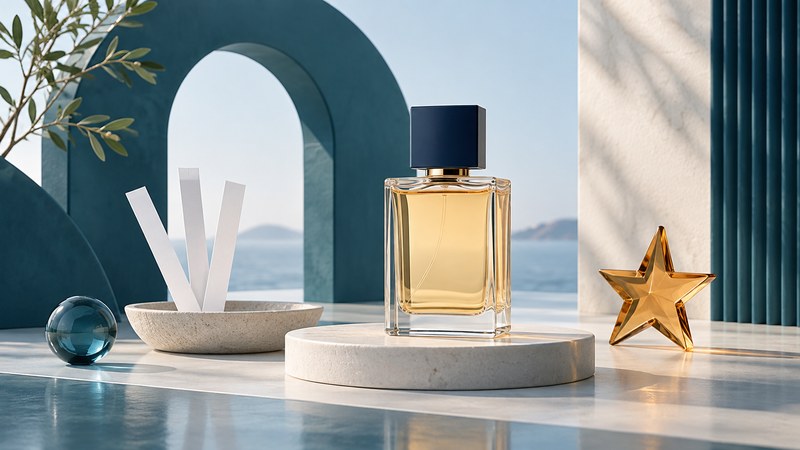
The fragrance associated with Beyoncé and Tommy Hilfiger's 2004 collaboration was True Star. Its brand identity was Tommy Hilfiger; Beyoncé was its spokesperson and inspiration. Keeping those roles distinct helps identify the product without folding every fragrance connected with the singer into one line.
Identify the company, brand and performer
The Estée Lauder Companies' 2004 annual report records the Tommy Hilfiger fragrance license and Beyoncé's agreement as spokesperson for True Star. Elsewhere it describes the fragrance as created in cooperation with her. That supports a collaboration; it does not identify her as its perfumer or the owner of the Tommy Hilfiger brand.
For a catalog entry, the most useful starting description is “Tommy Hilfiger True Star, associated with the Beyoncé campaign.” Add the exact concentration and size only when you can read them on the particular bottle or packaging. A campaign association and a bottle's technical identity are different pieces of information.
Read the dates in their proper context
British Vogue's June 23, 2004 launch report covered the London presentation and said retail availability was planned for October. The company report placed the launch in fiscal 2005. The sources use different calendars: a fiscal-year label should not be read as proof of an October 2005 launch.
The London presentation, advertising introduction and arrival at a shop are also separate milestones. The contemporary report documents the event and announced schedule; it cannot establish when every market or retailer received a particular size.
The campaign used more than a familiar face
Vogue reported a television commercial featuring Beyoncé singing Wishing on a Star, directed by Laurent Chanez, and print imagery by Mario Testino. The music reference gave the True Star name an audible connection to its performer. These are historical campaign credits, not a description of a current advertisement.
That creative connection helps explain the campaign: a name, a recognizable voice and a public personality could work together to establish a mood around a fragrance. This is an interpretation of the reported creative choices, rather than a claim about the scent's ingredients, sales or reception.
A fragrance advertisement can communicate atmosphere without allowing a reader to smell the product. Avoid inferring a note list, concentration or personal preference from campaign imagery. Those details require product documentation or a specifically attributed statement.
Keep a precise historical record
When comparing references, record the full product name, the date and whether the evidence is a company report, an advertisement or a retailer listing. Preserve a photograph of the bottle and box if you are identifying an object. A later listing does not by itself establish current authorized distribution, condition or an unchanged formula.
This account concerns the original True Star collaboration. Other releases associated with Beyoncé need their own brand and date records. For a different music-and-beauty arrangement from the same period, read Michelle Branch's Flirt guest-creator project.