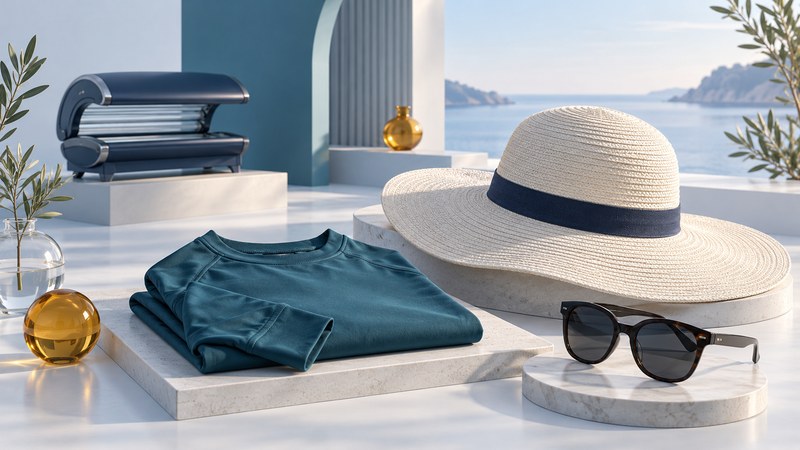
For prom preparation, choose an outfit, lighting and cosmetic details you enjoy while protecting your skin from ultraviolet radiation. Indoor tanning adds UV exposure and health risk. A tan is optional; it is not a prerequisite for photographs or formalwear.
Understand what indoor tanning changes
The FDA's explanation of tanning risks describes UV-related skin damage, premature aging, skin cancer and eye injury. Darkening after UV exposure is a response to damage. Avoiding a visible burn does not establish that a tanning session was harmless, and a so-called base tan provides little protection against further exposure.
For an event plan, the practical decision is straightforward: leave UV tanning out of the preparation schedule. Use your time and budget for arrangements that help the evening work, such as a fitting, comfortable shoes or a hairstyle trial.
A salon's availability, a short session or a friend's experience cannot measure your individual risk. If you have questions about a skin condition or medicines that affect light sensitivity, ask your clinician or pharmacist. Medical light treatment prescribed for a particular condition has a different purpose and supervision from cosmetic tanning.
Separate cosmetic color from UV protection
| Choice | What it changes | Planning implication |
|---|---|---|
| Your usual skin tone | No color-changing step is needed. | Plan clothing, photos and outdoor protection as usual. |
| Temporary makeup or bronzer | Adds a cosmetic surface effect. | Follow its label; check the look and clothing transfer before the event. |
| DHA self-tanning product | Changes the color of the skin's surface through a chemical reaction. | Follow directions and application restrictions; color alone does not provide sunscreen protection. |
| Sun or indoor tanning | Exposes skin to UV radiation to produce darkening. | Skip this preparation step because of the health risks. |
The FDA's sunless-tanner guidance distinguishes DHA approved for external application from exposure through inhalation, ingestion or contact with eyes and mucous membranes. All-over spray booths can make those exposures difficult to avoid. Follow the product's labeled use and ask a provider how those areas and breathing will be protected. An SPF claim must come from an appropriately labeled sunscreen product; the cosmetic color itself is not that protection.
Make a preparation plan without tanning
- Try the outfit in the lighting you expect for photos. Choose colors and accessories because you enjoy them.
- If you choose cosmetic color, read its instructions well before the event. Build its application and drying requirements into the schedule, and test the complete look with clothing you can protect.
- Choose a shaded photo location or an indoor alternative. Keep outdoor exposure and sunscreen planning on the checklist even if you use a sunless product.
- Agree with the photographer on the look you want. You can ask for photos that preserve your natural skin tone and texture.
The outdoor sun-protection guide turns that last preparation task into a plan for shade, clothing and sunscreen.
Know when to ask for medical help
After UV exposure, severe blistering or symptoms such as fever, chills or feeling unwell need prompt medical assessment. Eye pain or a change in vision also warrants urgent professional advice. For a new or changing skin spot, arrange an assessment instead of using a photograph or online description to diagnose it. The FDA's risk overview linked above explains why skin and eye changes matter.
This guide provides general health information. A clinician can assess a particular symptom, exposure or medication history.