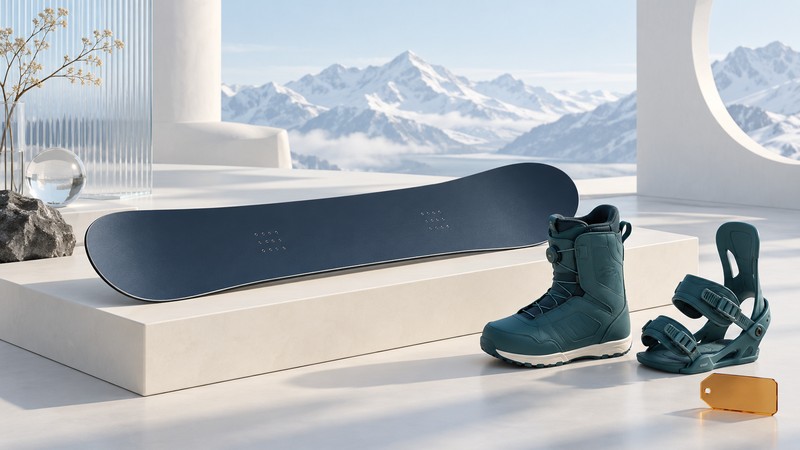
A clearance snowboard is a good candidate when it suits the rider and works with the rest of the equipment. Start with those requirements, then compare the total cost. A large percentage discount cannot resolve the wrong size, an incompatible mounting system or missing hardware.
Identify the exact equipment before comparing prices
Record the brand, model, model year, length and width of the board. Ask whether the item is new old stock, a demonstration board or used equipment. The same product name can span several generations with different specifications; a stock photograph may show a different year.
Use the manufacturer’s model-specific size guidance with rider weight, boot size, experience and intended use. Burton’s size-chart directory is one manufacturer example. A length chosen only from the rider’s height leaves important variables unresolved.
If you are still establishing boot fit or learning which board characteristics suit you, a fitting appointment or rental comparison can answer more than another discount search. Bring the boots and bindings you intend to use when asking a shop to assess a proposed setup.
Check the complete boot–binding–board connection
Burton’s binding size and compatibility guide distinguishes binding sizes, board mounting patterns and boot systems. Treat compatibility as three separate checks: boot to binding, binding to board, and the exact mounting hardware required.
| Connection | Evidence to obtain | If the answer is missing |
|---|---|---|
| Boot to binding | Exact boot model and size, binding model and size, and the manufacturer’s compatibility guidance. | Do not infer fit from the nominal shoe size alone. |
| Binding to board | Board mounting system and compatible binding disc or interface. | Ask the manufacturer or a qualified shop about the specific model years. |
| Hardware to setup | Required screws, washers, discs and other model-specific parts. | Include verified replacement parts in cost and availability checks. |
| Rider to equipment | Suitable board sizing and an assessed boot fit. | Resolve fit before letting the sale deadline drive the decision. |
On a narrow screen, swipe the table sideways or focus it and use the arrow keys.
For example, Burton’s Re:Flex explanation distinguishes that system from EST, which is intended for The Channel. That example does not establish that every old binding, disc or board generation fits every other one. Use documentation for the actual items and have installation completed or checked as the manufacturer directs.
Make condition and purchase terms part of the decision
Ask for photographs of the actual base, edges, topsheet, mounting area and included hardware. Disclose any known damage or repair to the shop assessing the equipment. Photographs can help identify a question, but they cannot establish the structural condition of every used item.
Check the seller’s written return policy, warranty eligibility and responsibility for return shipping. Final-sale terms matter most when fit or compatibility is uncertain. Confirm whether an authorized dealer or manufacturer can still supply any missing model-specific parts.
In the United States, search the Consumer Product Safety Commission recall database by brand and model, and check the manufacturer’s notices. Follow any applicable recall instructions. The absence of a matching database entry is not a condition inspection or certification of an individual board.
Compare the cost of a usable setup
Add your applicable taxes and any other required items using the same assumptions for both offers. Keep uncertain expenses visible rather than assigning them a zero. A board that cannot be made compatible is not a viable bargain at either price.
Use the printable snowboard comparison sheet to record two candidates, evidence and total costs. Choose only after the essential fit and compatibility questions are resolved. The snowboarding event guide can help explain the different sporting disciplines, but an elite competition board is not automatically the appropriate recreational choice.