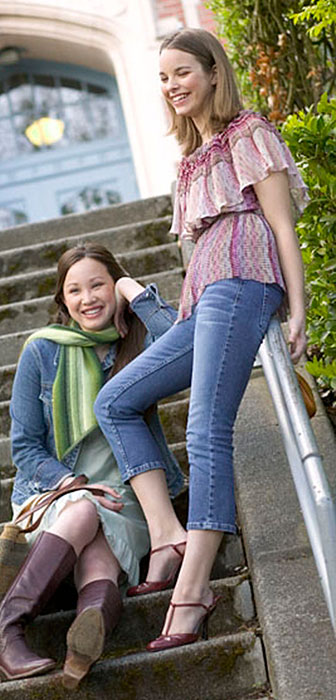
Thrift shopping has moved far beyond the old idea of digging through racks only to save money. It is now a mainstream way to build personal style, find better materials, reduce waste, experiment with trends, and discover pieces that do not look like everything currently hanging in a mall. For students, parents, collectors, stylists, and everyday shoppers, secondhand fashion offers a rare combination: lower prices, surprise, individuality, and a lighter environmental footprint.
The 2005 bohemian thrift look was an early expression of what secondhand shopping does best. A shopper could combine broken-in boots, fitted denim, lace, ruffles, vintage jackets, floral dresses, and unexpected accessories into an outfit that felt personal rather than mass-produced. That spirit still matters, but thrift has expanded into a broader secondhand economy that includes local charity shops, curated vintage stores, online resale platforms, peer-to-peer marketplaces, brand-run resale programs, clothing swaps, repair, and upcycling.
Why Thrift Shopping Keeps Growing
Secondhand fashion has grown because it solves several problems at once. Shoppers want value at a time when new clothing prices, quality concerns, and trend churn can make retail feel frustrating. They also want clothes that express taste rather than only brand allegiance. Thrift stores and resale platforms make both possible.
The economics are straightforward: a well-made secondhand coat, denim jacket, wool sweater, leather belt, or pair of boots can cost far less than a comparable new item. The style logic is just as strong. A thrifted wardrobe is harder to duplicate, which is part of its appeal.
Secondhand as Sustainable Fashion
Buying secondhand keeps garments in use longer, which is one of the practical ideas behind circular fashion. Resale, repair, rental, remaking, and donation all push against the pattern of buying quickly, wearing briefly, and discarding. Thrift shopping is not a perfect environmental solution, but it is often a better choice than treating clothing as disposable.
The sustainability benefit is strongest when secondhand purchases replace new purchases rather than simply adding more volume to the closet. A thoughtful thrift shopper buys pieces that will be worn, repaired, restyled, shared, or resold, not just accumulated because they are inexpensive.
The New Thrift Landscape
Thrift shopping now happens in many formats. Traditional nonprofit thrift stores still anchor the category, often funding community programs and job training. Local vintage shops curate by era, fabric, designer, or aesthetic. Consignment stores focus on better brands and condition. Online resale platforms expand the search from one neighborhood to the whole country.
Each format has a different rhythm. A charity thrift store rewards patience and openness. A curated vintage shop rewards focus and knowledge. An online platform rewards precise search terms, measurements, and authentication awareness. The best secondhand shoppers use all three modes depending on what they need.
How to Shop a Thrift Store Well
Start with fabric, construction, and fit. Natural fibers, sturdy seams, intact linings, good buttons, working zippers, and clean hems often matter more than the label. Check underarms, collars, cuffs, crotch seams, pockets, and closures for wear. Hold knits up to the light to spot holes. Smell matters too; some odors are harder to remove than wrinkles.
Measurements are more reliable than size tags because sizing varies by decade, brand, country, and whether a garment has been altered. Bring a small tape measure or know the flat measurements of clothes that fit you well. If there is no fitting room, compare shoulder width, waist, rise, inseam, and sleeve length against your own clothing.
Building a Thrifted Wardrobe
A strong secondhand wardrobe usually mixes basics, statement pieces, and repairable finds. Good thrift targets include denim, jackets, sweaters, blazers, button-down shirts, belts, scarves, bags, occasion wear, and unique accessories. Shoes can be excellent finds when the soles, structure, and interior are still in good condition.
It helps to shop with a short list and a point of view. Look for colors you actually wear, fabrics you enjoy caring for, and silhouettes that work with what you already own. The goal is not to recreate a trend board exactly; it is to notice which pieces have long-term usefulness in your real life.
Bohemian, Vintage, Preppy, and Beyond
The bohemian thrift look still works because secondhand shops are rich in texture: embroidered tops, gauze skirts, suede, denim, lace, crochet, leather, scarves, and worn-in boots. But thrift style is not limited to boho. It can also support minimalist tailoring, prep, workwear, sportswear, punk, western, romantic vintage, streetwear, quiet luxury, and school-uniform-inspired looks.
The best outfits often come from mixing eras rather than copying one. A tweed blazer over a floral dress, a crisp men's shirt with vintage jeans, a pleated skirt with sneakers, or a leather belt over a modern knit can make secondhand clothing feel current. Small alterations, hemming, dyeing, new buttons, and better styling can transform a good find into a great one.
Online Resale Changes the Hunt
Online resale makes it easier to search by brand, size, color, fabric, condition, and style, but it also removes the tactile part of thrift shopping. Photos, measurements, seller ratings, return policies, authentication, and condition notes become essential. Always read the full listing and compare measurements before buying.
Online platforms are especially useful for replacing a favorite item, finding extended sizes, shopping specific brands secondhand, or searching for vintage pieces that rarely appear locally. The tradeoff is shipping cost and the risk of returns, so the most sustainable online resale purchase is one chosen carefully enough to keep.
Repair and Upcycling Make Thrift Better
Many thrift finds are one small fix away from being useful again. A loose button, long hem, missing belt loop, dated shoulder pad, or tired zipper should not automatically disqualify a garment if the fabric and fit are good. Basic sewing skills expand what is worth buying.
Upcycling can also make secondhand clothing more personal. Shortening a dress, cropping a jacket, changing buttons, adding patches, dyeing faded cotton, or turning damaged fabric into a bag can extend the life of a piece. The key is to start with low-risk projects and avoid destroying well-made vintage garments that would be better preserved or professionally altered.
What Not to Buy Secondhand
Some items require caution. Avoid damaged helmets, expired safety gear, heavily worn running shoes, compromised child car seats, stained mattresses, and electrical items that cannot be tested safely. With clothing, be realistic about stains, odors, moth damage, dry-clean-only care, and repairs that cost more than the piece is worth.
For luxury goods, authentication matters. Designer bags, watches, sneakers, and jewelry can be counterfeited, and a low price is not proof of a lucky find. Use reputable resale shops, authentication services, or platforms with buyer protection when the purchase is expensive.
Thrift Etiquette
Good thrift shopping is considerate. Do not block aisles with overflowing carts, leave racks chaotic, or treat fitting rooms as discard piles. If a store supports a nonprofit mission, remember that donations and purchases are part of a larger community system. Buy what you will use, donate clean usable items, and avoid using thrift stores as a place to offload trash.
Resellers are part of the modern secondhand ecosystem, but local shoppers can feel priced out when the best community thrift finds are cleared in bulk. A healthier resale culture leaves room for personal use, affordability, and respect for the stores and communities that make the market possible.
Secondhand Style as Personal Style
The lasting appeal of thrift is that it rewards attention. It asks shoppers to notice fabric, shape, history, usefulness, repairability, and the quiet charm of something that has already had a life. That makes it different from trend shopping, where the store has already decided what matters.
Bohemian thrift fashion helped show how expressive secondhand style could be. Today the idea is wider: thrift is a practical wardrobe strategy, a sustainability habit, a creative outlet, and a way to dress with more imagination than a single season's rack can offer.