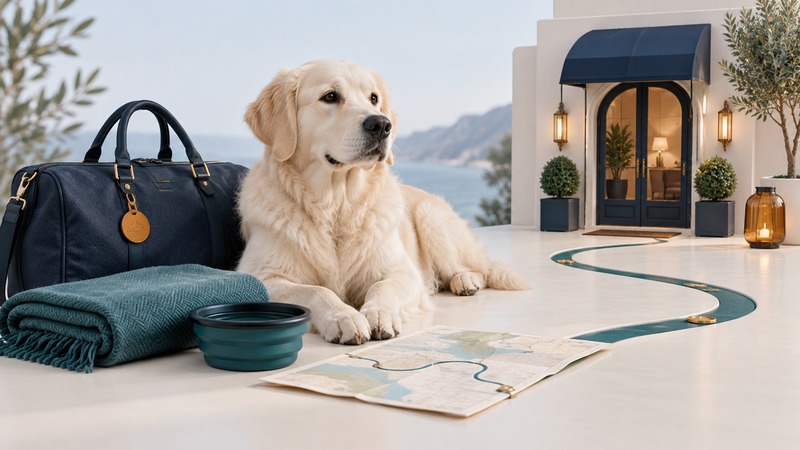
Build a pet road trip around the whole day: riding, stopping, checking in, eating, sleeping, and being cared for while you are busy. Start with a short practice outing and a written lodging confirmation. If the itinerary leaves long gaps in care, arrange a sitter or boarding before booking.
Decide whether this trip fits your pet
Consider how your pet manages the carrier or restraint, unfamiliar sounds, separation, and changes to routine. Discuss motion sickness, anxiety, ongoing illness, and medication storage with your veterinarian early enough to try the agreed plan at home. The AVMA’s July 2026 travel guidance recommends preparation, practice, and considering care at home when travel would be uncomfortable.
Write down who is responsible for the pet during meals, sightseeing, check-in, and an unexpected delay. A trip can work well for the driver yet leave the animal with nowhere suitable to wait. Our dog car-restraint guide covers equipment selection; use the air-travel guide if part of the journey includes a flight.
Confirm the actual room and stay
Contact the specific property with your pet’s species, number, size, and dates. Request its current written conditions with the reservation. Even a brand with pet-friendly hotels can have property-specific charges: Hilton’s pet-travel page explicitly says fees vary by hotel. Compare the complete stay cost, including refundable deposits and any cleaning or damage charges, before choosing.
On a small screen, focus this table and use the arrow keys, or swipe, to read all columns.
| Ask about | Record the answer | Why it matters |
|---|---|---|
| Admission | Species, number, size restrictions; required records | A general search filter can miss a restriction affecting your pet. |
| Time alone | Whether a pet may remain alone, and any conditions | Plan meals and outings around an actual caregiver. |
| Daily access | Relief area, stairs/lift, meal locations, housekeeping | Check that routines will work with your pet’s mobility and behavior. |
| Changes | Late arrival, cancellation, emergency departure | Know whom to call if the travel day changes. |
Planning example: a hotel accepts your dog but requires someone to remain with it. A museum visit therefore needs a permitted caregiver arrangement or a changed itinerary. A carrier in the room does not resolve the missing supervision.
Build stops and destination rules into the route
Allow time for your pet’s water, toileting, rest, and feeding needs. Choose stops where you can handle the animal away from traffic. Secure a leash or carrier before opening vehicle doors; keep cats contained through transitions. Never leave a pet alone in a parked vehicle. Follow the vehicle and preparation advice in the AVMA travel guidance.
For travel within the United States, use USDA APHIS pet-travel guidance to find the destination’s entry requirements. The receiving state or territory sets its requirements; international trips add destination and return-entry rules. Confirm parks and attractions separately, since a pet-friendly room says little about access elsewhere.
Pack a kit you can reach
Keep the next stop’s supplies accessible: water, bowls, familiar food, leash or carrier, waste bags or litter supplies, cleaning materials, and a familiar washable bed. Carry medications in their labeled containers with the prescribing instructions, plus vaccination or travel documents when needed. Save your usual veterinarian’s contact, a current pet photo, and identification information offline. The AVMA’s hotel-stay advice also describes a pet travel kit and preparing for time in an unfamiliar room.
Split the kit into daily care and backup supplies so unloading a room does not require unpacking everything. Check that the microchip registration has current contact details. A paper copy of essential contacts helps if a phone is lost or has no reception.
Make one workable disruption plan
Identify an alternative overnight stop and a veterinary clinic along the route; verify the clinic’s hours and emergency arrangements. Decide who could collect or care for the pet if you became ill. Keep enough schedule flexibility to shorten a driving day when the pet is struggling.
Before departure, walk through a delayed-arrival scenario: call the hotel, confirm the room remains available, locate the next suitable stop, and contact the backup caregiver if needed. Record the decisions in the trip sheet below. The useful result is a plan another adult could follow.
Save a working record
Pet road-trip and lodging plan (plain text). Save a copy and fill it in with a text editor. Keep completed records private when they include personal information.