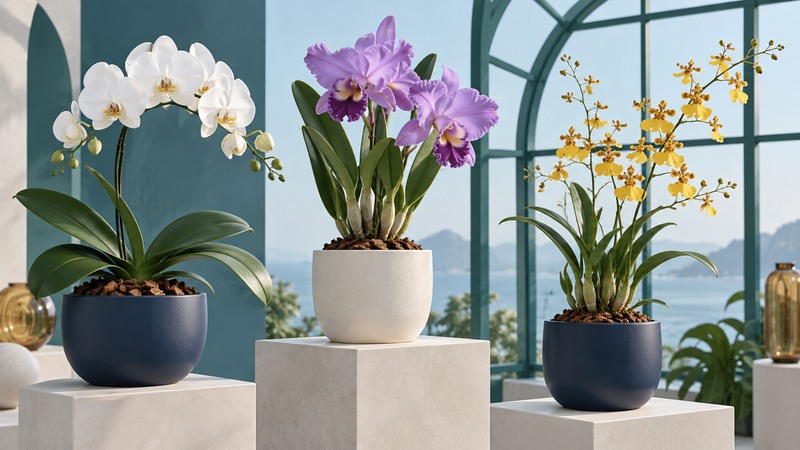
Orchids sold for the home can have very different growing habits. Start with the plant's label, leaves and stems as well as its flowers. This picture guide compares three familiar groups and shows how those differences affect the next care decision.
Read the whole plant
Look for three features: the arrangement of leaves, any swollen storage stems called pseudobulbs, and the way flowers sit on their stalk. Photograph the entire plant and label before zooming in on a flower. Color alone is a poor guide because hybrids occur in many colors and patterns.
The illustrations below simplify typical forms. Use the linked American Orchid Society photographs and culture sheets to confirm the group and refine care for a named plant. A nursery label or a specialist's examination is more useful than assigning an exact species from a decorative image.
Three groups in pictures
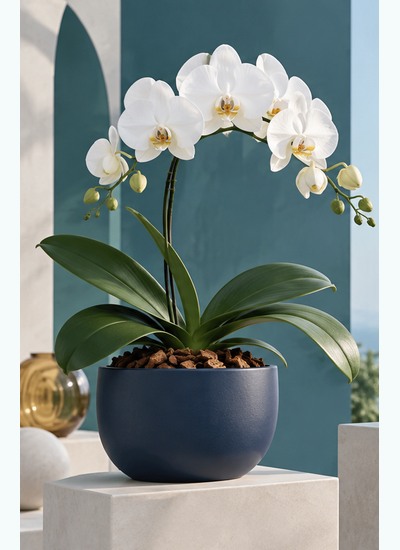
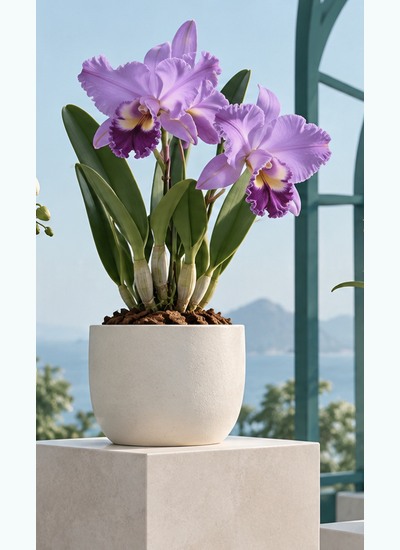
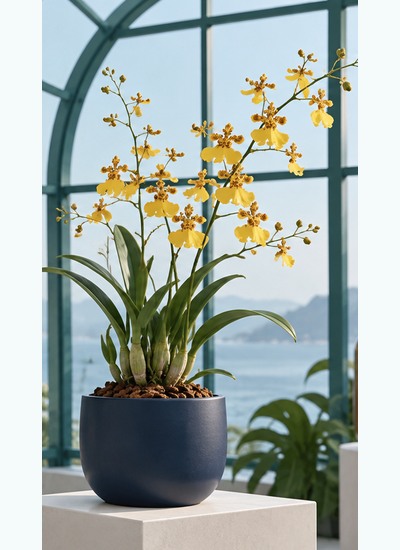
Phalaenopsis: a useful first indoor orchid
Many common moth-orchid hybrids have broad leaves, an arching flower spike and no large pseudobulbs. They often suit bright indoor conditions with protection from harsh direct sun. Water thoroughly, allow drainage, and water again as the medium approaches dryness. Keep water from collecting in the crown.
The AOS Phalaenopsis sheet and photo gallery explains that their limited water storage makes prolonged complete drying undesirable. Its guidance also distinguishes seasonal flowering responses among types. A plant can remain healthy between flowering periods.
Cattleya: brighter conditions and a drying interval
Cattleya and related hybrids commonly have pseudobulbs carrying firm leaves, with a few conspicuous flowers on each flowering growth. They generally need brighter conditions than common Phalaenopsis hybrids. Acclimate to changes in exposure and avoid a sudden move into intense sun.
The AOS Cattleya sheet and photographs describe a wet/dry cycle: water thoroughly, let the medium dry, and water again when it reaches that point. The interval depends on the pot and environment. A large pot of old, compacted medium may dry very differently from a small pot of coarse bark.
Oncidium types: pay attention to the particular hybrid
Many plants sold in this group have sprays of small flowers and narrower foliage above pseudobulbs. The familiar “dancing lady” appearance is a useful clue, with substantial variation across the group and its hybrids.
The AOS Oncidium guidance emphasizes that water needs vary with roots and leaves. Thin-rooted indoor plants often need more even moisture than a Cattleya, while still requiring an airy root zone. Ask the grower about the named plant instead of applying one dry-down rule to the entire group.
Match the potting medium to the roots
Many commonly sold orchids grow with roots adapted to an airy environment. For these plants, use an appropriate orchid medium rather than dense ordinary garden soil. Bark and sphagnum hold and release moisture differently; container ventilation and room conditions also matter.
Before watering, examine the medium below the surface and learn the weight of the pot. If the plant is inside a decorative outer container, remove it to water and drain. Empty trapped water before replacing it. Root color can provide clues in a clear pot, but combine that observation with texture and moisture rather than using color alone.
Repot when the medium breaks down or the plant needs appropriate space, preferably at the growth stage recommended for its group. Check the relevant culture sheet for timing and medium. Preserve healthy roots and use clean tools for any necessary removal of dead tissue.
A purchase check that takes a few minutes
- Read and photograph the botanical or hybrid name. Ask for the grower's care instructions.
- Inspect firm leaves, the central growing point and visible roots. Look for pests and extensive soft or collapsed tissue.
- Identify the medium and container drainage. Ask when it was last repotted.
- Compare its light and temperature needs with the place you can provide.
- Choose a nursery-grown plant from a traceable seller. Keep its label and receipt.
A gift plant without a full label can still be cared for sensibly at group level. Record that uncertainty and ask a local orchid society for help before making a species-specific claim.
Solve one problem at a time
If leaves wilt while the medium stays wet, inspect root health before adding water. If the plant grows well but fails to bloom, compare its light with the group's guidance. The AOS explanation of reblooming connects flowering to light and seasonal cues, which differ among orchids.
Keep a record of watering checks, new growth and flowering dates. It gives the next diagnosis a history. For a different compact flowering houseplant, see African violet care; avoid transferring one plant's routine automatically to the other.