Explore the recordings discussed here: Melissa Etheridge — Greatest Hits: The Road Less Traveled, Audio CD (paid link)

Melissa Etheridge’s return to the Grammy stage in 2005 brought a private experience into a very public setting. Her performance, a later Lifetime special and new recordings offered different ways to speak about breast cancer: through a familiar song, a personal account and music that listeners could return to on their own.
A performance with a visible personal context
Etheridge’s official biography dates her breast-cancer diagnosis to October 2004. At the 2005 Grammy telecast, she performed Piece of My Heart in a tribute to Janis Joplin, appearing with the hair loss associated with her chemotherapy. Joss Stone took part in that performance; a 2025 PBS interview with the two singers revisits their shared Grammy appearance.
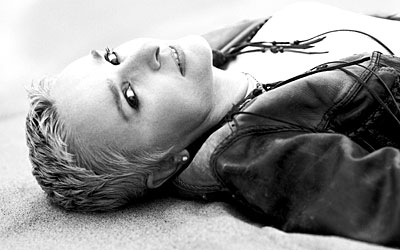
One way to understand the moment is as a return to a recognizable part of her identity: performing. The audience encountered a musician doing her work while the physical effects of treatment were visible. That combination can make room for a wider view of a person’s life than a diagnosis alone allows. It is a cultural interpretation of the appearance, rather than a measure of what every viewer felt.
Her career already had an established place in music. The Recording Academy lists her Grammy wins for Ain’t It Heavy in 1993 and Come to My Window in 1995. These are ceremony years; they should be kept distinct from a song or album’s release year.
Keep the performance, program and album distinct
- October 2004: the diagnosis described in her official biography provides the personal context for the following year.
- The 2005 Grammy telecast: a public performance with Joss Stone, in tribute to Joplin.
- October 18, 2005: Lifetime scheduled Women Rock! Our Journey with Melissa Etheridge. A contemporary television listing confirms the broadcast date.
- 2005: Greatest Hits: The Road Less Traveled brought earlier recordings together with newer material. The Island/UMG catalog listing on Apple Music dates its album entry to October 18.
A television appearance and an album can contain a song with the same title while using different performances. Check the recording credit when a particular live duet is what you want. An archival program listing establishes the program’s identity; it does not establish that the complete special is available to stream today.
Use the recording as a starting point for listening
The Road Less Traveled is useful here because it places songs associated with this period alongside Etheridge’s earlier work. The selected Audio CD lists This Is Not Goodbye and I Run for Life as tracks 16 and 17. To explore those recordings, see Melissa Etheridge’s Greatest Hits: The Road Less Traveled, Audio CD (paid link).
Start with either of those two tracks, then choose an earlier song from the same album. Listen for what changes in your own attention: a particular phrase, the singer’s delivery, a memory or the wish to keep listening. There is no required response. This is a listening prompt, not a claim that the two recordings produce the same feeling for everyone.
Edition details matter. The linked CD lists 17 tracks; the cited digital catalog lists 18. Choose by the actual track list and format, especially when seeking a bonus song or a particular performance. This purchase link is a recording recommendation, not a statement that buying it makes a donation to a cancer organization.
Let a public story open a conversation
A familiar performer can provide an opening for a conversation that someone has been unsure how to begin. A listener might share a song with a friend, ask about an experience of treatment, or look for reliable information. Those are possible uses of a public story, rather than proof of the campaign’s effect on screening or health outcomes.
When sharing the music with someone affected by cancer, offer a choice: “Would you like to hear this, or would you prefer something unrelated?” Follow their answer. Some people welcome language about strength or fighting; others want rest, privacy, humor or ordinary company. A public figure’s decision to appear onstage is a personal decision, not an expectation for another person’s recovery.
Keep organizations and purposes clear, too. Etheridge’s biography describes the Etheridge Foundation’s work on opioid-use-disorder research. Her breast-cancer advocacy and that foundation are distinct parts of her public life.
Turn a medical question toward the right source
If this story raises questions about your own breast health, start with the question you actually have. The breast changes and examination guide helps describe a concern; the mammography guide explains screening, diagnostic imaging and follow-up; and the breast-cancer diagnosis guide helps organize a conversation after a diagnosis. An artist’s personal experience supplies context, while your own history and findings guide clinical decisions.
For a different musical approach to family and advocacy, explore Olivia Newton-John’s Stronger Than Before.
Updated October 9, 2026. Arts, history and advocacy; personal care and support arrangements should be discussed with the relevant qualified professionals.
Explore Art, Music, and Advocacy and the full Cancer guides.