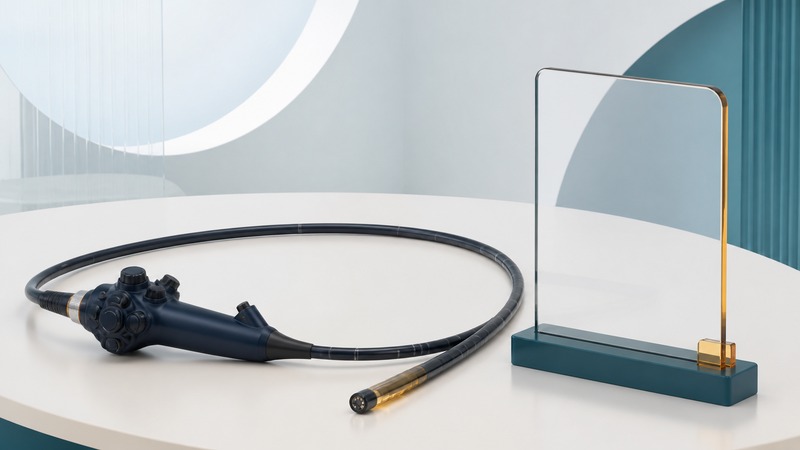
Endoscopy uses an instrument with a camera to examine inside the body. In digestive care, the exact procedure name tells you where the instrument goes and what the clinician may be able to do. Preparing for a gastroscopy is different from preparing for a colonoscopy, and a visual result is different from a laboratory result from a biopsy.
Start with the name on the appointment letter
On a small screen, scroll the table sideways to read all columns.
| Test | What it examines or does | A useful distinction |
|---|---|---|
| Upper-GI endoscopy (gastroscopy or EGD) | Examines the food pipe, stomach, and duodenum through the mouth. | May include a biopsy or treatment, not just photographs. |
| Colonoscopy | Examines the rectum and colon through the anus. | Bowel preparation is essential; tissue sampling or polyp removal may be possible. |
| ERCP | Combines endoscopy and X-rays to treat problems in bile or pancreatic ducts. | Has a different purpose and risk discussion from a routine diagnostic gastroscopy. |
| Capsule endoscopy | Records pictures from a swallowed camera. | Does not offer the same ability to take tissue or perform treatment. |
The NIDDK guide to upper-GI endoscopy describes examination, biopsy, and treatment. Its separate guides explain colonoscopy and ERCP and its duct-treatment role. Our capsule endoscopy guide covers the swallowed-camera option.
Ask what the clinician hopes to learn and how the answer could affect treatment. If a biopsy or polyp removal may be performed during the same visit, understand that possibility before the procedure. Alternatives depend on the clinical question: a test that produces images may not supply the tissue sample or treatment that is needed.
Preparation is part of the examination
Use the unit’s written instructions for your scheduled test. Confirm the dates and times for dietary changes, fasting, bowel preparation if required, and arrival. If two instructions conflict, call the unit. A generic timetable cannot account for your appointment time, health conditions, or the product prescribed.
Give the team a current list of prescribed medicines, over-the-counter products, supplements, allergies, and previous reactions to sedation or anesthesia. Ask for specific instructions for blood thinners and diabetes medicines, among other treatments you take. Do not stop them independently. Tell the team about relevant heart, lung, kidney, or other medical conditions and any possibility of pregnancy. NIDDK’s colonoscopy preparation guidance explains the importance of medical review and bowel cleansing.
For a bowel preparation, clarify what to do if you cannot finish it, vomit it, or are uncertain whether it has worked. Calling early gives the team a chance to advise you. Arriving without mentioning a preparation problem can leave an important limitation unexplained.
Make the travel and communication plan early
Ask whether you will receive sedation, anesthesia, throat spray, or another approach, and what escort arrangements the unit requires. If sedation is planned, arrange a responsible person to take you home and follow the service’s restrictions on driving and other activities. Confirm whether someone must stay with you. Arrange an interpreter or communication support before the day if needed.
What to discuss before agreeing to proceed
Consent is a conversation about the particular examination. Ask about its expected benefit, alternatives, and risks in your circumstances. Bleeding, perforation, and reactions to sedating medicines are among the risks discussed for conventional GI endoscopy; their likelihood depends on the procedure, interventions, and patient. A therapeutic procedure should not inherit a reassuring risk estimate from an unrelated diagnostic test. NIDDK explains upper-GI endoscopy risks and recovery.
Before discharge, obtain the procedure summary and written aftercare instructions. Clarify which medicines to resume and when, whether any intervention changes restrictions, and whom to call after hours. If you are drowsy, have your accompanying person hear the explanation too. Keep the instructions available at home.
Seek urgent medical help for concerning symptoms after the procedure. Trouble breathing, severe or worsening chest or abdominal pain, vomiting blood, significant or persistent bleeding, or fever should not wait for routine follow-up. Use the procedure-specific emergency instructions; symptoms such as dizziness or weakness with bleeding also need urgent attention. The NIDDK guides to upper-GI endoscopy and colonoscopy describe warning signs.
Separate what was seen from what is still pending
The clinician may discuss visible findings promptly, while biopsy analysis takes longer. Ask whether the examination was complete, whether preparation or visibility limited it, what samples were sent, and who owns each follow-up task. A useful plan names the person or service that will contact you and a date after which you should call if no result arrives.
Consider this invented example: the immediate report says that a sample was taken and the appearance was discussed. That is not the same as a final tissue diagnosis. Write “biopsy result pending” in your notes, along with the expected communication plan, rather than translating an early impression into a confirmed condition.
Where AI fits
Some colonoscopy systems use software to highlight regions that may contain a polyp. This is a detection aid for the endoscopist, not an independent diagnosis or a substitute for a thorough examination. An AI label alone does not establish better long-term outcomes for your situation. The FDA device summary for a computer-assisted polyp-detection system describes its intended supporting role.
Download an endoscopy preparation and results checklist (plain text).
Related resources
General educational information, researched September 5, 2026. Use your care team’s instructions for your own health, treatment, and devices.