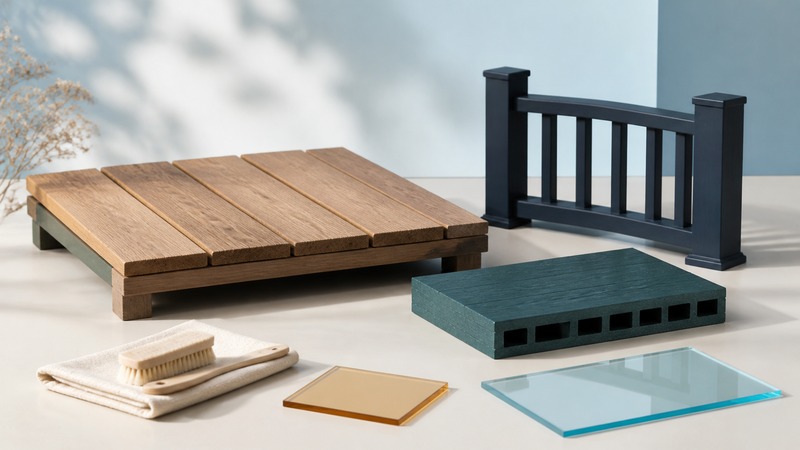
Good deck care begins with the structure, continues with routine cleaning, and adds finish work when the material and condition call for it. Identify what you own, record changes, and choose a care method that fits the boards, railings, and coating.
Start with condition and access
Look for movement, separation where the deck meets the house, deteriorated supports, damaged stair treads, loose guards, and corroded or missing connectors. Observe from an accessible position. Close the deck to use when a structural concern appears, and arrange assessment by a qualified deck professional.
NADRA’s deck-safety resources emphasize regular inspection of the complete assembly, including structure, fasteners, stairs, and railings. A professional can evaluate concealed connections and applicable construction requirements. Use your own observations to describe changes and prioritize the visit.
Make two work lists after the assessment: structural repairs with the agreed access restrictions, and surface care that can follow. This keeps an attractive finish and a sound supporting structure as distinct project goals. Record who completed the repairs and when the deck was cleared for use.
Match care to the material
Swipe horizontally to read the table, or focus it and use the arrow keys.
| Surface | Routine care approach | Confirm before deeper work |
|---|---|---|
| Wood boards with a known finish | Remove debris and use the finish supplier’s cleaning instructions | Existing coating, preparation steps, compatible replacement finish |
| Capped composite boards | Use the exact board maker’s approved brush and cleaner | Product line and generation; permitted pressure and stain treatments |
| PVC boards | Follow the PVC product’s care sheet | Approved cleaners, heat exposure, mats, and stain-removal methods |
| Railings, glass, and metal hardware | Use instructions for each component | Coating compatibility and fastener or connector condition |
Keep the board brand, product line, installation date, and warranty with the maintenance record. A small offcut or original invoice can help identify the material. Ask the installer or manufacturer for help when the product is uncertain.
Trex’s care instructions illustrate why product identification matters: its listed Transcend, Enhance, and Select products have specific pressure-washing conditions, while its early-generation guidance calls for a different approach. Follow the instructions for your exact decking and railing. Start with the gentlest approved cleaning method and a small inconspicuous test area.
Organize a cleaning session
Once the deck is suitable for use, clear furniture and loose debris. Pay attention to leaf accumulation, board gaps, and places beneath movable items where water and dirt collect. Choose tools that fit the surface, and protect nearby plants and finishes according to the cleaner’s label.
Read the cleaner instructions for dilution, protective equipment, dwell time, rinsing, and disposal. Work in manageable sections and rinse as directed. Use each product as labeled; never mix cleaning chemicals. Photograph an unresolved stain and ask the manufacturer for a targeted treatment before increasing strength or abrasion.
After cleaning, inspect the dry surface in even light. Record rough fibers, peeling finish, persistent discoloration, and areas that stay damp. These observations help determine whether the next job is coating preparation, a localized repair, or an investigation of drainage and moisture.
Plan wood finishing around the label
Choose a finish approved for the wood species, existing surface, and intended exposure. Ask how much of the previous coating must be removed and how the wood’s readiness should be checked. Compare a prepared sample in the intended color before buying the full quantity.
Write the preparation, application, recoating, rain, and return-to-use requirements on your calendar. Air conditions and surface conditions both matter; shaded boards can remain damp after the rest of the deck dries. Keep the deck available for the full preparation and curing period.
For one specific example, BEHR PREMIUM Semi-Transparent Waterproofing Stain & Sealer directions call for completely dry wood, application between 40 and 90°F, a 24-hour rain-free window, and 72 hours for full cure. Those figures belong to that product’s instructions. Use the current label for the product you actually buy.
In a pre-1978 home, plan for lead-safe practices before disturbing old painted surfaces associated with the project. EPA’s renovation guidance for consumers explains the lead-paint concern and how to find certified renovation firms. Have the contractor establish the requirements for the specific work.
Keep a useful seasonal record
- Before regular use: review the structure, guards, steps, and last inspection findings.
- During the season: clear debris, attend to spills using approved methods, and record changes.
- Before cold or wet weather: follow the product guidance for furniture, mats, ice, and snow care.
- After finishing or repair: save the product name, color, batch details, weather, photographs, and next review date.
Set reminders around local weather and the deck’s exposure. A shaded, leaf-covered deck and an open sunny deck may need attention at different times. Let observed condition and the care instructions determine the work.