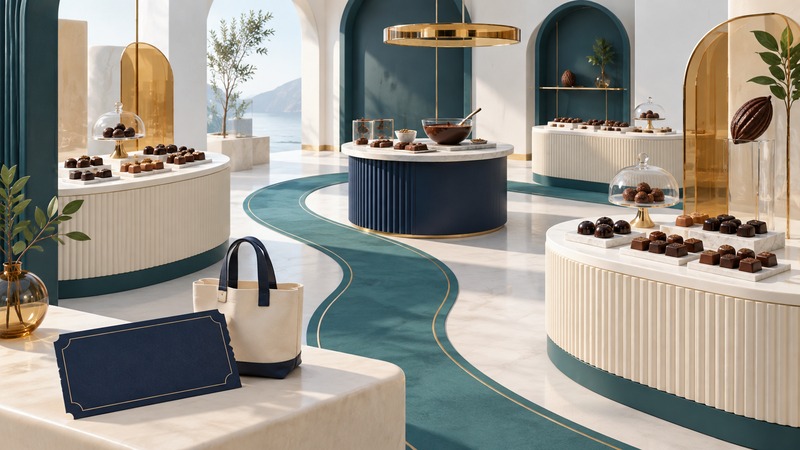
A chocolate show is easier to enjoy with one demonstration, a few tasting goals and a plan for carrying purchases home. Verify the edition and date first: event websites and ticket pages can remain online long after a show has ended.
Confirm the event you can actually attend
Checked September 16, 2026: the Salon du Chocolat NYC organizer’s FAQ still identifies March 7–8, 2026 at Center 415. Those dates are past. Use the organizer’s current site and linked ticket service to confirm a future edition before arranging travel; a working ticket link alone does not establish a future date.
Record the city, year, venue and opening hours together. Then check whether admission covers one day or several, whether a workshop needs its own booking, and whether leaving the venue ends your admission. The NYC FAQ’s 2026 rules, for example, describe ticket types and no re-entry; later editions may differ.
The Salon du Chocolat destinations page helps locate regional organizers. Each city needs its own schedule and practical checks.
Build a route around a question
Choose a goal you can reasonably explore in a few stops: compare two bean origins, learn a ganache technique, or select a gift. Read the exhibitor list and demonstration schedule with that question in mind. Reserve time for a presentation before filling the rest of the day with browsing.
Use the chocolate-show planner to record the edition, ticket conditions, accessibility arrangements and three priority stops. Bring a small notebook or use brief notes on your phone.
Ask questions that improve the tasting
- Product identity: which exact bar or filling is the sample, and where is its ingredient information?
- Origin: does the place name refer to the beans, the maker or both?
- Texture and flavor: what changed between two samples, and can the maker explain the difference in ingredients or processing?
- After the show: where can you find the same product, and how should it be stored?
Take small samples and pause between them so impressions stay distinct. Ask about ingredients before sampling when allergies or other restrictions matter. A shared tasting counter may involve handling that differs from a sealed retail package; exhibitors are the appropriate people to ask about that setup.
Buy with the return trip in mind
Keep labels and receipts, and ask about temperature and storage requirements for filled chocolates. A long warm journey is a different purchase situation from going directly home. Carry delicate boxes level and avoid leaving them in a hot vehicle. Confirm venue bag and food policies before bringing supplies.
Chocolate events also have a history of combining tasting, pastry demonstrations and fashion made from chocolate. New York’s November 2004 Chocolate Show was one such event; its old venue and dates belong to that historical edition. Today’s visit should be planned from the current organizer’s details.
Prepare with bean origins and processing, or use the chocolate gift-selection questions when comparing boxed gifts.