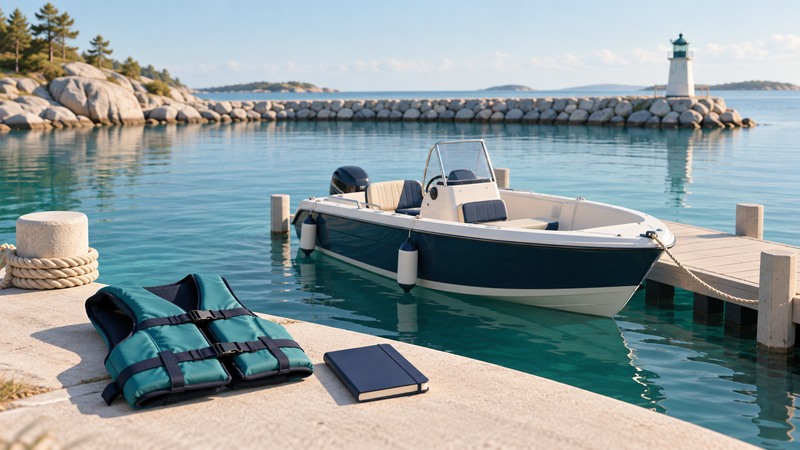
Begin with a small, realistic outing and the training to enjoy it. Lessons, rentals and clubs can help you learn what kind of boating fits your life before you commit to ownership. Choose the boat and route around the people aboard, local conditions and your current skills.
For adults beginning recreational boating, with US safety and authority references. This planning guide complements formal education and practical instruction.
Choose how to get on the water
On a narrow screen, scroll the table sideways. Keyboard users can focus the table and use the arrow keys.
| Route | What it helps you learn | Questions to ask |
|---|---|---|
| Practical lesson | Handling, docking and onboard routines with an instructor | Which boat, instructor credentials, student ratio and skills are included? |
| Rental | Whether a particular boat and location suit a day out | What experience, briefing, permitted area, insurance and deposit are required? |
| Boat club | Whether repeated access fits your schedule | How do reservations, training, guest rules and recurring fees work? |
| Ownership | How to use and care for your own boat over time | Where will it live, who will maintain it and what is the full annual budget? |
If you have little experience, a lesson with time at the helm is a useful first purchase. Ask to practice the actual skills your intended boating requires, including low-speed control and returning to a berth. A scenic passenger trip can reveal whether you enjoy the setting, while a lesson shows what operating involves.
Compare access costs over the number of days you expect to use the boat. Include travel, fuel, membership or rental fees, storage and preparation time where applicable. Keep your first season flexible until you know the activity, passenger group and waterways you prefer.
Pair education with practical instruction
Use NASBLA’s state boating contacts to find the authority for your home waters and any state you plan to visit. Check education and age requirements, accepted credentials, vessel registration and local operating restrictions. Rental or club rules may add requirements beyond the legal minimum.
A classroom or online course develops knowledge of navigation rules, markings, equipment and responsibilities. Practical instruction develops control of a particular boat. Ask an instructor to assess your readiness for the proposed waterway, rather than treating completion of a course as a universal operating qualification.
Before operating an unfamiliar boat, receive a boat-specific handover. Locate the controls, engine stop and fitted cut-off system, alarms, fuel and electrical shutoffs, bilge arrangements and emergency equipment. Demonstrate back the routine steps you will need. Bring uncertainty to the instructor or provider before departure.
Prepare for the people aboard
Check that each person has a suitable, correctly fitted, serviceable life jacket and understands how to wear it. The Coast Guard’s life-jacket guidance explains fit and selection; activity and child-wear requirements need particular attention. Wear life jackets while underway and follow applicable rules and label instructions.
Read the boat’s capacity information and operating manual for the actual passenger and load limits. Count people, equipment and the way weight will be distributed. Comfortable-looking seating does not establish an approved passenger load. Clarify where passengers may sit while moving and how everyone will board and leave.
Give a short briefing before setting off: who is operating, where safety equipment is, how to call for help, how to move around, and what to do if someone falls overboard. Agree that docking lines and fenders will be handled only as instructed. Keep swimmers away from propulsion machinery, and use the vessel’s shutdown procedure before anyone approaches the propeller area.
Review the Coast Guard’s recreational-boating information and your local authority’s requirements for the equipment that applies to your vessel. A qualified operator should remain sober and attentive. Make plans for shade, drinking water, toilets and an early return if a guest is uncomfortable.
Plan a first trip with room to change it
Choose a short daylight route in sheltered waters that your instructor or provider considers suitable. Identify the departure point, return point, usable alternatives, local hazards and how to obtain assistance. Keep the first objective simple: an uneventful departure, time practicing approved skills and a calm return.
Check the forecast for the waterway and the full period you could be out. The National Weather Service marine portal provides marine forecasts and warnings for coastal and other covered waters; use the appropriate local forecast for inland locations. Look at wind, gusts, waves, visibility and thunderstorms as well as air temperature.
Set the go/no-go decision with an experienced instructor or operator using the boat, crew and route. A generic wind threshold cannot capture all those factors. Check again close to departure and continue monitoring conditions. If the weather or an equipment problem makes the plan unsuitable, postpone or shorten the trip.
Prepare a float plan using Coast Guard guidance, leave it with a responsible person ashore and agree what that person should do if you are overdue. Include the boat, people, route, expected return and contact arrangements. Update the plan when it changes and tell the shore contact when you return.
Build a manageable first-day brief
After the trip, record which tasks felt comfortable, what needed help and what you would change. Book practice for the missing skills. If you then consider ownership, carry the experience into a written requirements list and the used-boat buying process.
A good progression adds one challenge at a time: a different boat, longer distance, a new waterway or more complex docking. Deliberate practice keeps the learning visible and makes later choices more informed.